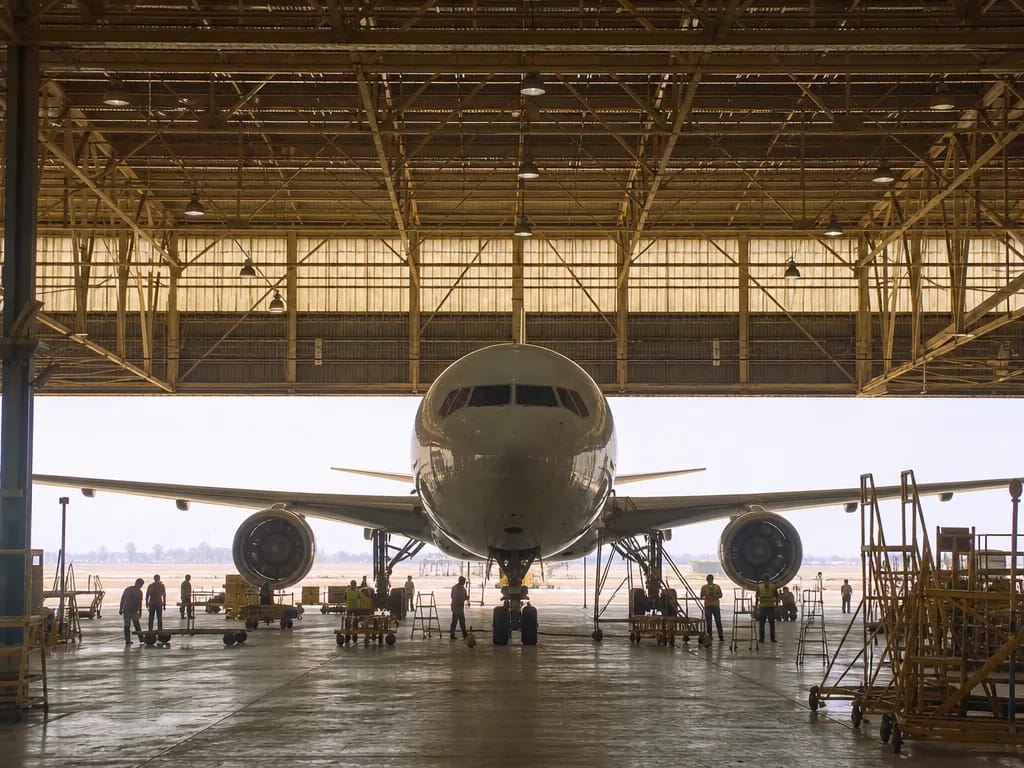
Tough working conditions
Under a large exposed roof, temperatures become gruelling for ground teams.
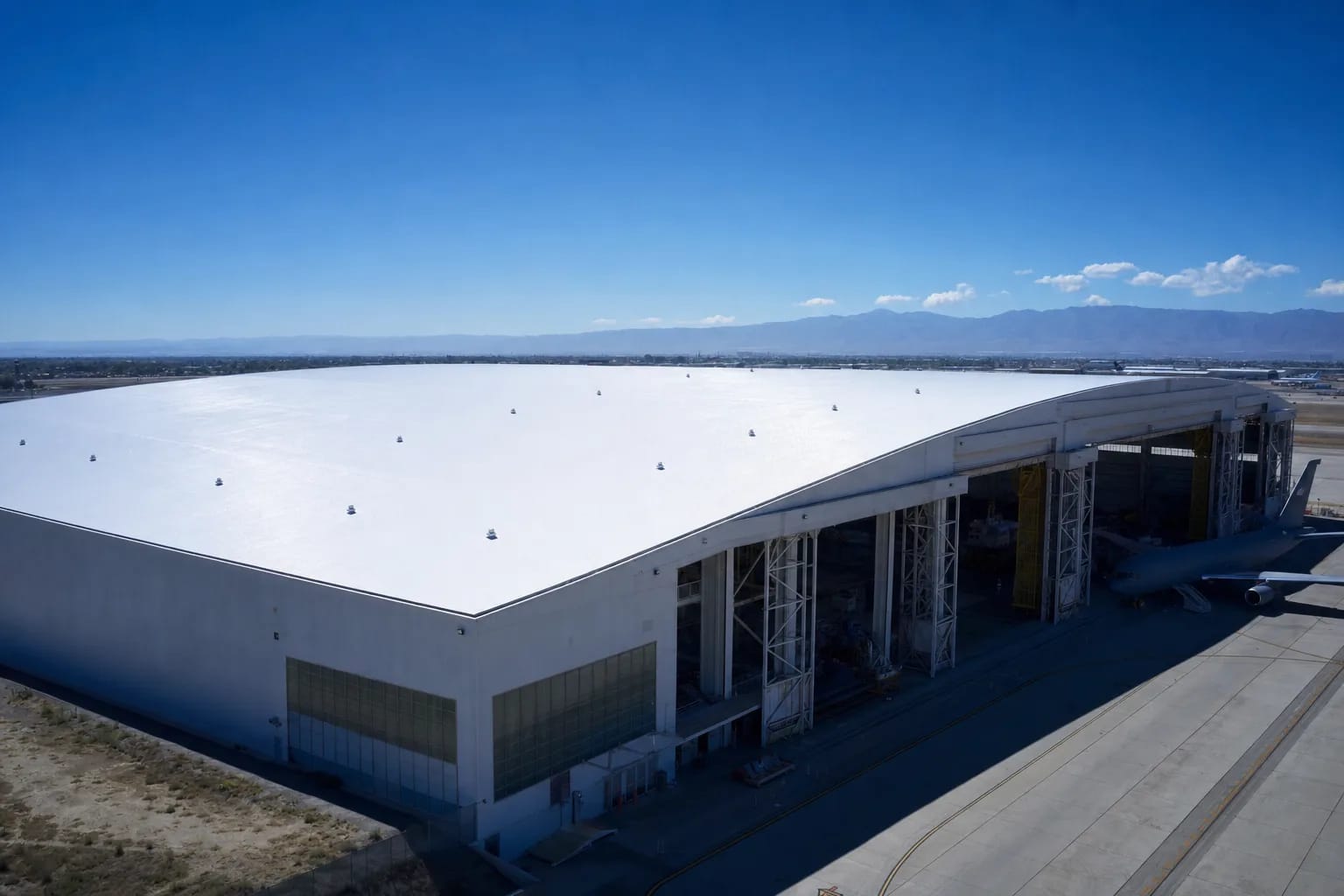
Cool down your large hangars without air conditioning: a passive, cost-controlled alternative across very large surfaces.
-7 to -8°C
under the roof
no AC
passive alternative
+8 to 20 yrs
waterproofing life
Personalised response within 48h
Aerospace hangars combine huge non-air-conditioned roofs with large volumes. In summer, heat accumulates and penalises both teams and operations.
Under a large exposed roof, temperatures become gruelling for ground teams.
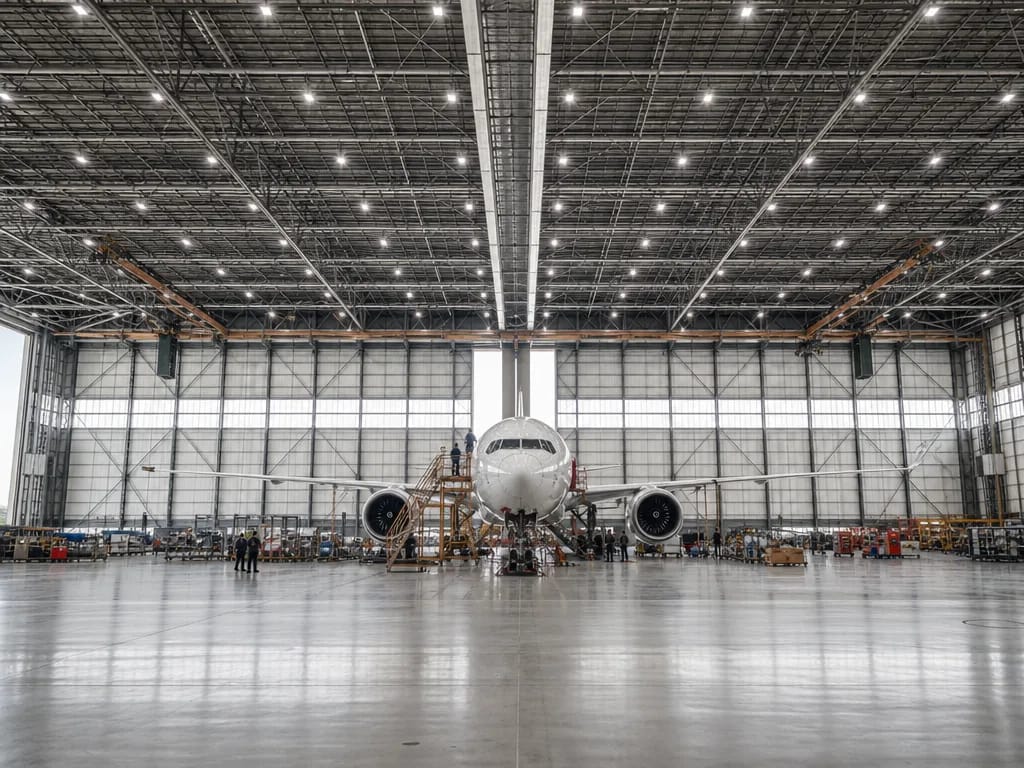
Air-conditioning such volumes costs a fortune in equipment and operation.
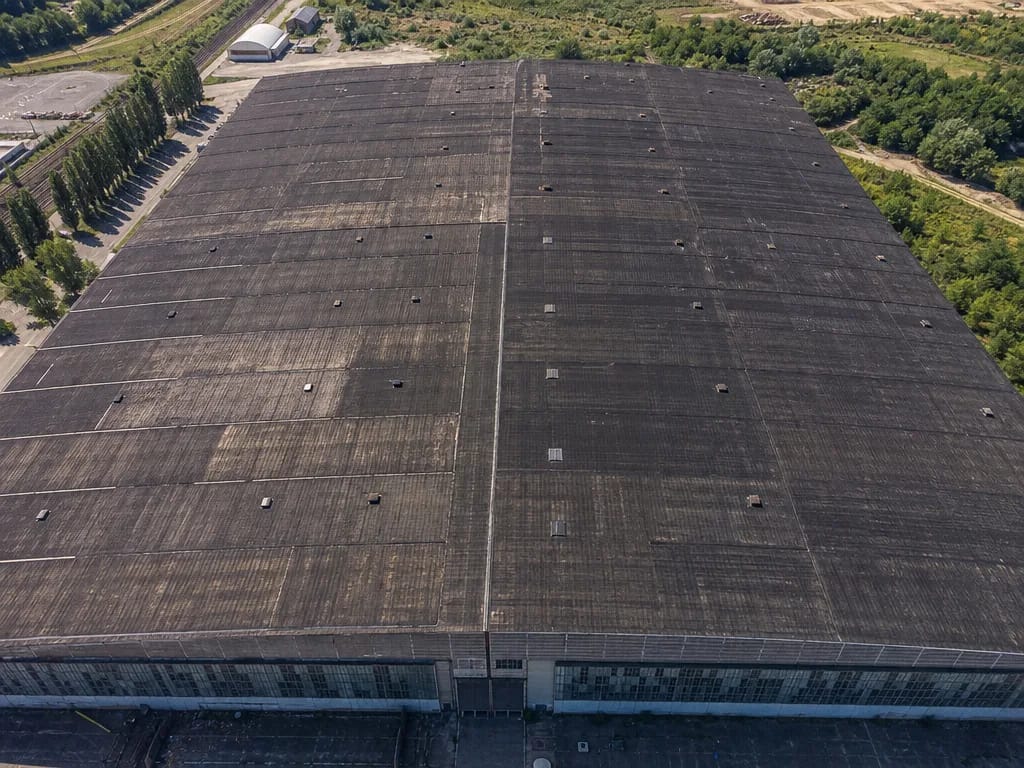
Thousands of m² of waterproofing exposed to UV: a replacement is a huge budget.
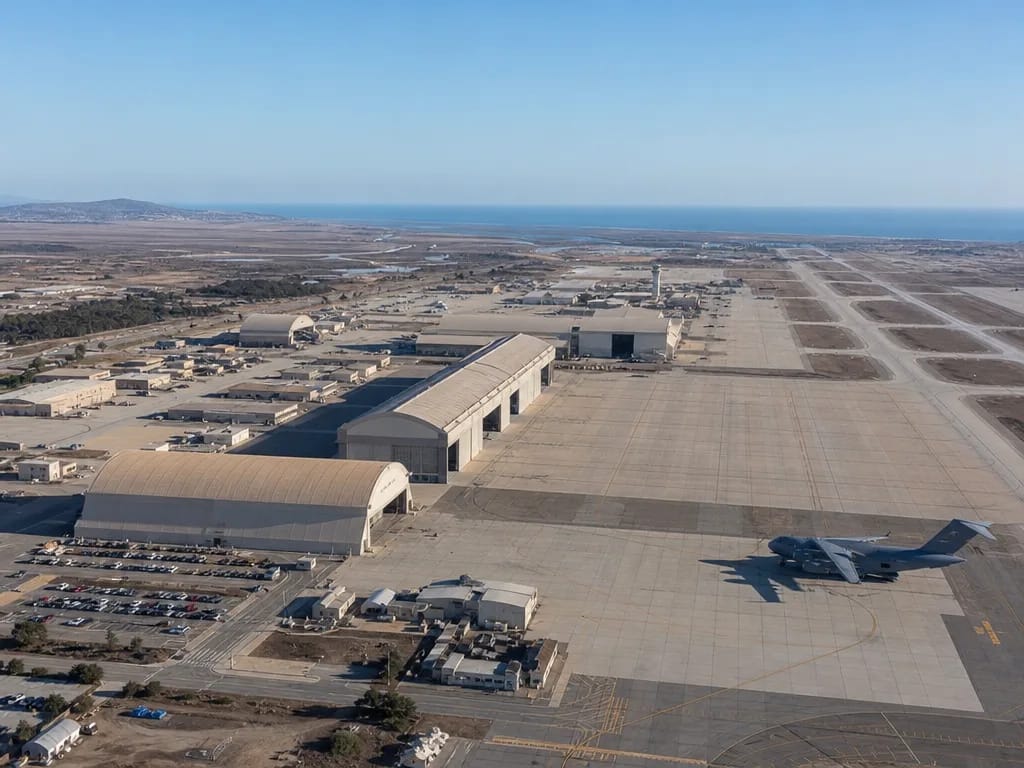
Investments are planned in N+1/N+2: a predictable-cost solution is needed.
The common cause: a huge roof that absorbs heat instead of reflecting it.
Rather than air-conditioning volumes that are impossible to cool, cool roof treats the roof to reduce the heat transmitted — at a fraction of the cost of air-conditioning equipment.
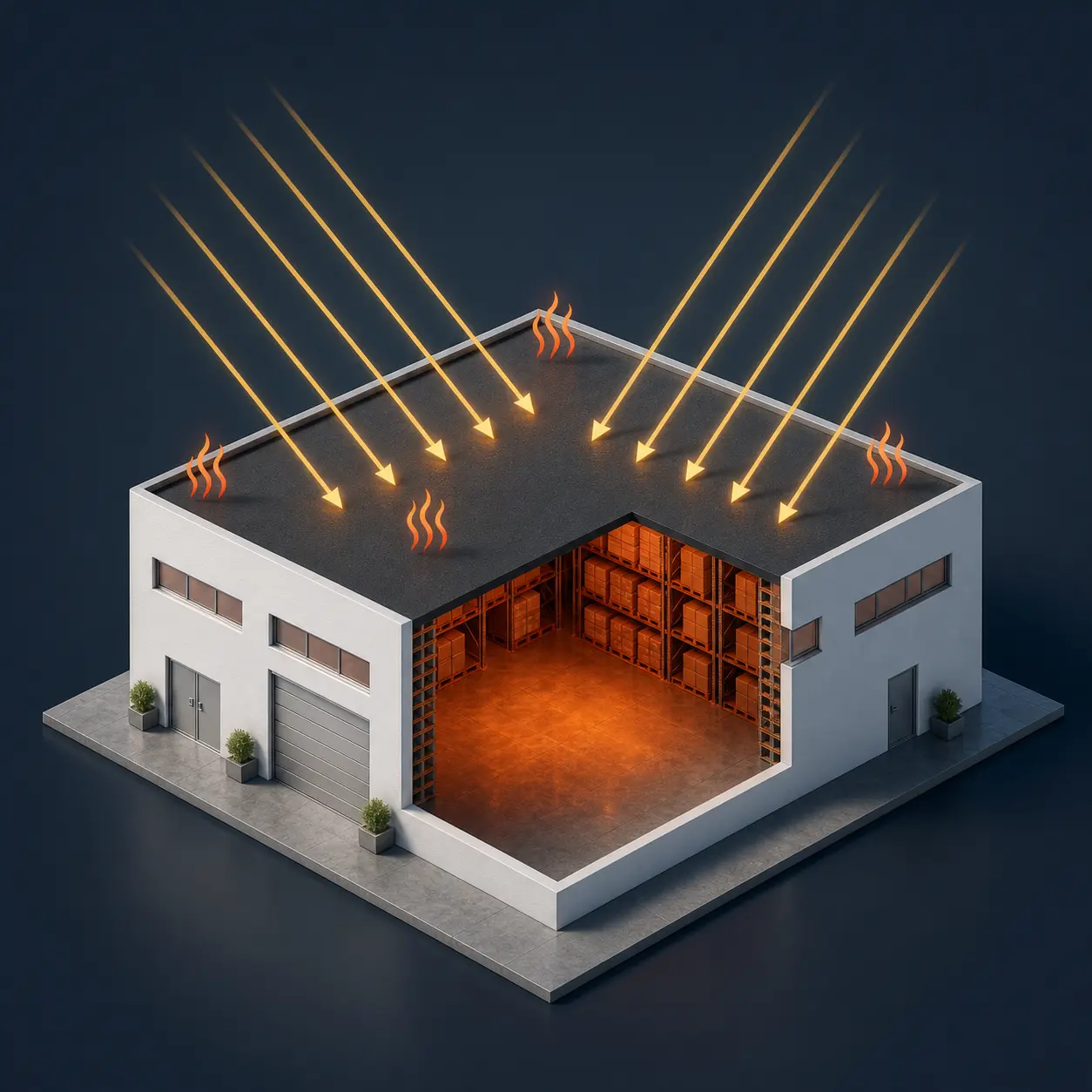
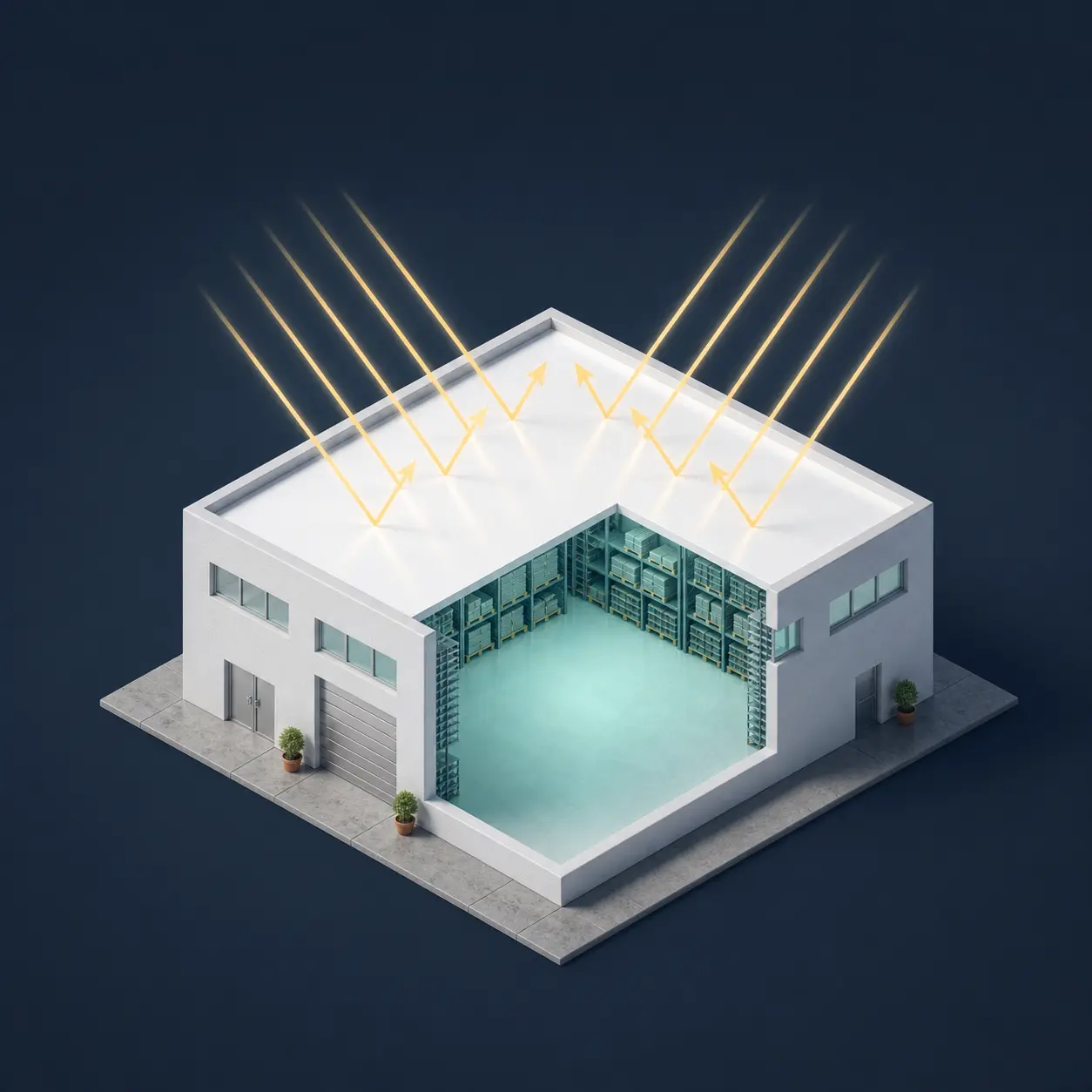
On a hangar, cool roof delivers a far faster ROI than air-conditioning equipment, capex and opex included.
Durability
On thousands of m², durability is decisive: starting over too soon is costly. Price per m² isn't enough; you have to count service life and retained reflectivity.
Low cost to apply
Price per m²
~€15
Service life
2-5 years
Over 10 years
€25-30
Performance built for large surfaces
Price per m²
€20-22
Service life
8-10 years
Over 10 years
€20-22
Polyurethane systems with an anti-UV finishing topcoat are designed to last 8 to 20 years. For steel deck, CovaMetal 20 adds anti-corrosion protection.
Aerospace and defence infrastructure operates with budgets framed in advance. Cool roof is clearly quoted and planned for a future financial year.
€20-22/m²
a predictable, budgetable cost per m²
Fast ROI
vs air-conditioning equipment (capex + opex)
N+1 / N+2
plannable across your budget cycles
Large surfaces
capacity for projects of several thousand m²
Covalba provides a clear upfront quote, free of commitment, that you can submit for approval and plan for a future financial year.
By treating the roof, cool roof cools the hangar from the first heat peaks, with no heavy equipment.
From the first summer
-7 to -8°C
under your roof
Ground teams less exposed to heat during summer.
Passive thermal comfort, without investing in air-conditioning large volumes.
The coating limits UV and thermal shocks across thousands of m².
A more stable environment for heat-sensitive technical zones.
A passive solution to value within your low-carbon roadmap.
Beyond comfort, here is how cool roof adapts to each type of site.
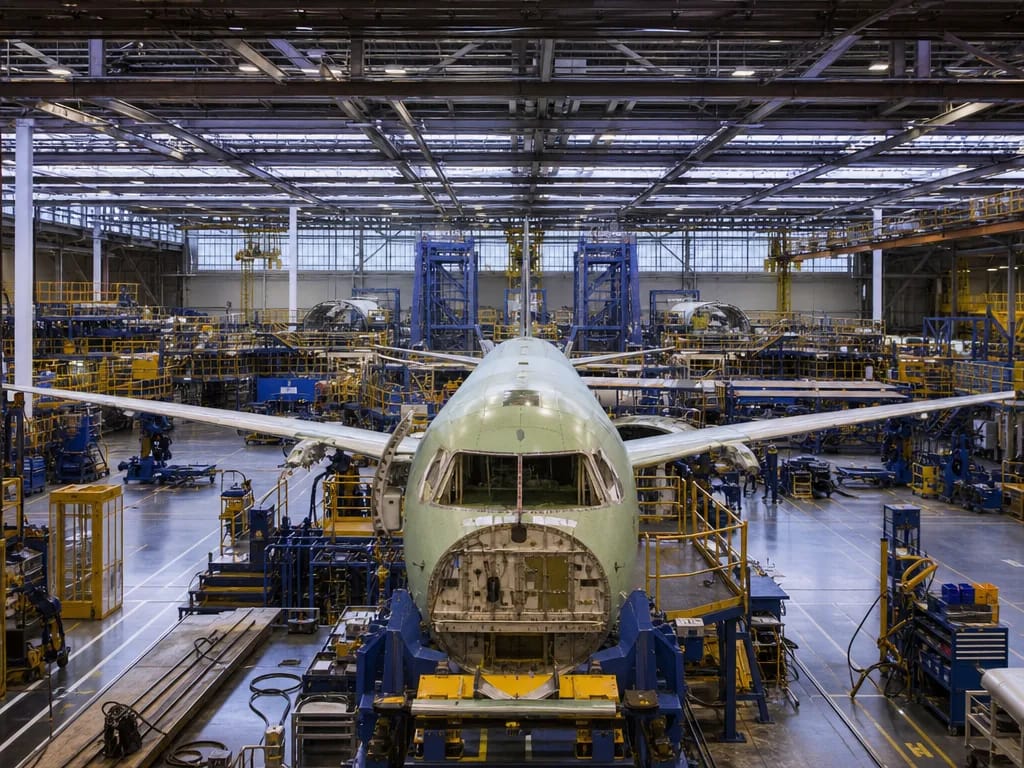
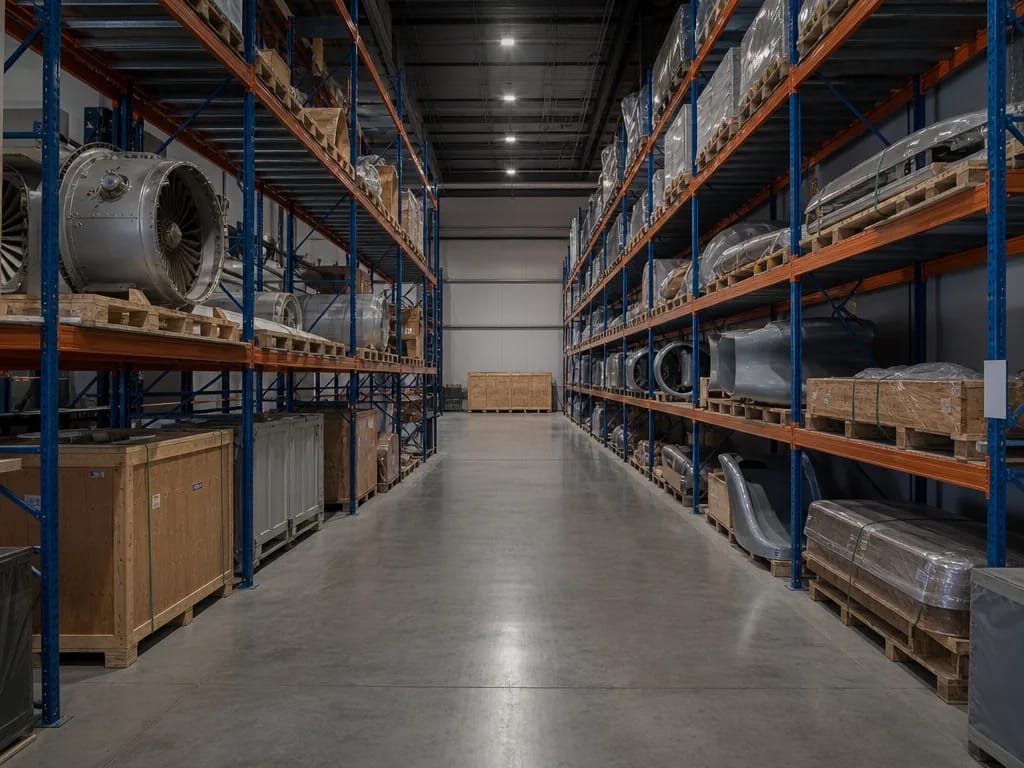
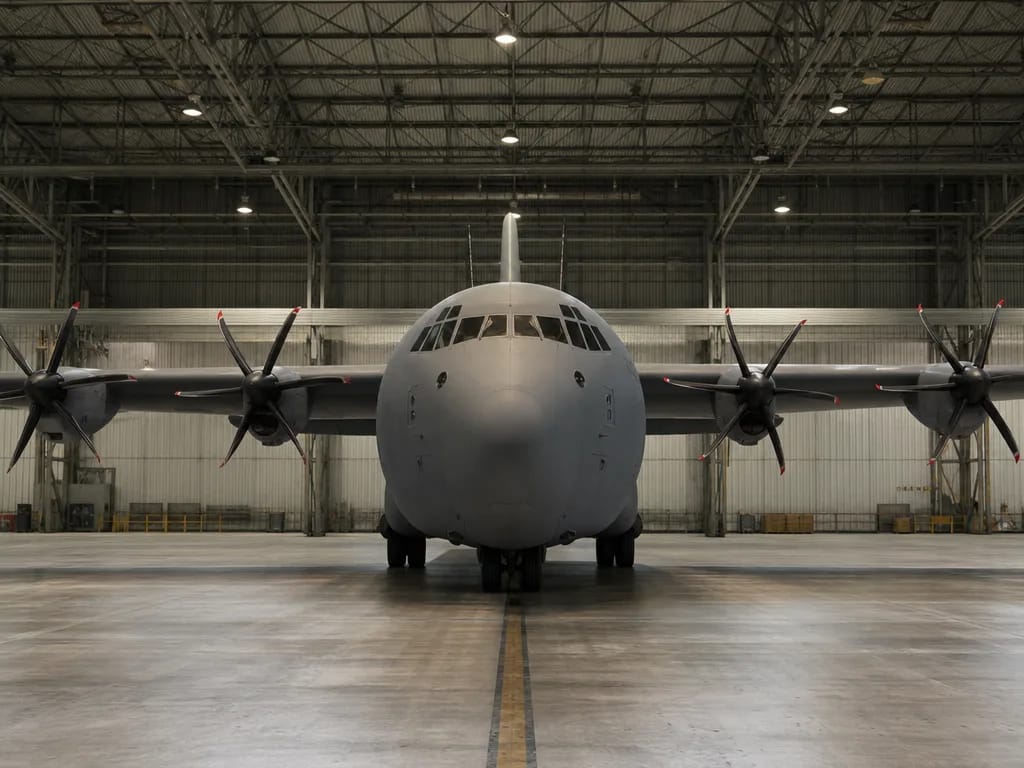
Maintenance, assembly, storage, defence or freight: the roof surface and volumes make conventional air conditioning unrealistic.
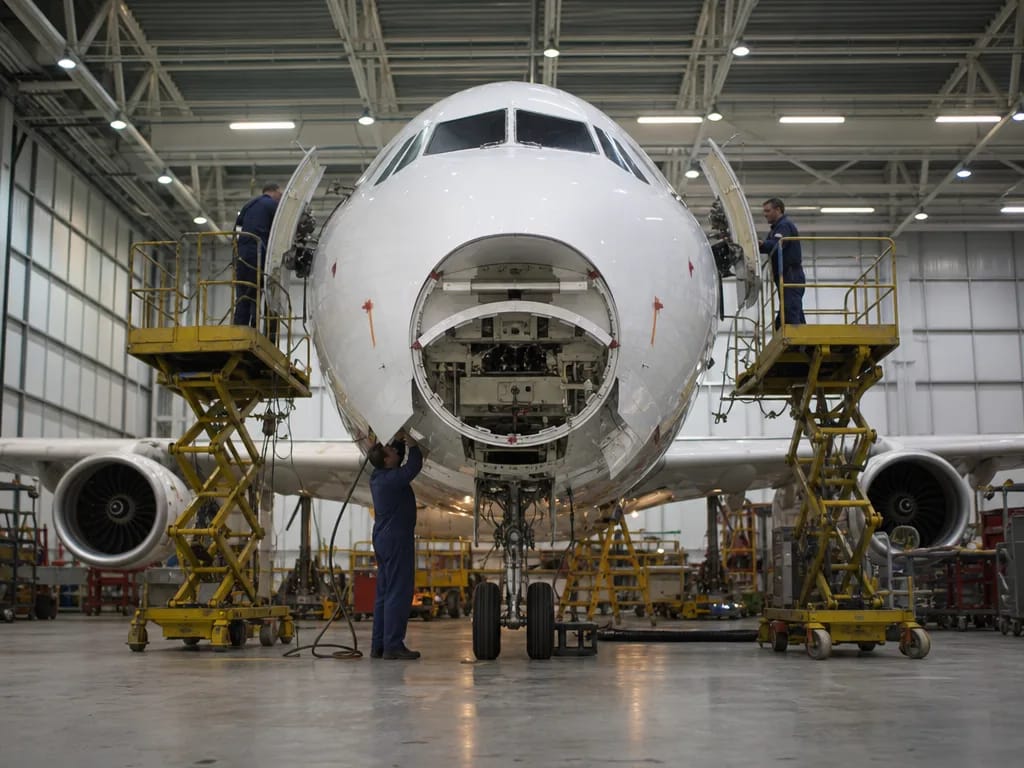
Cool the aircraft work areas.
Stabilise the environment of production lines.
Limit the heating of large volumes.
Protect large-surface technical environments.
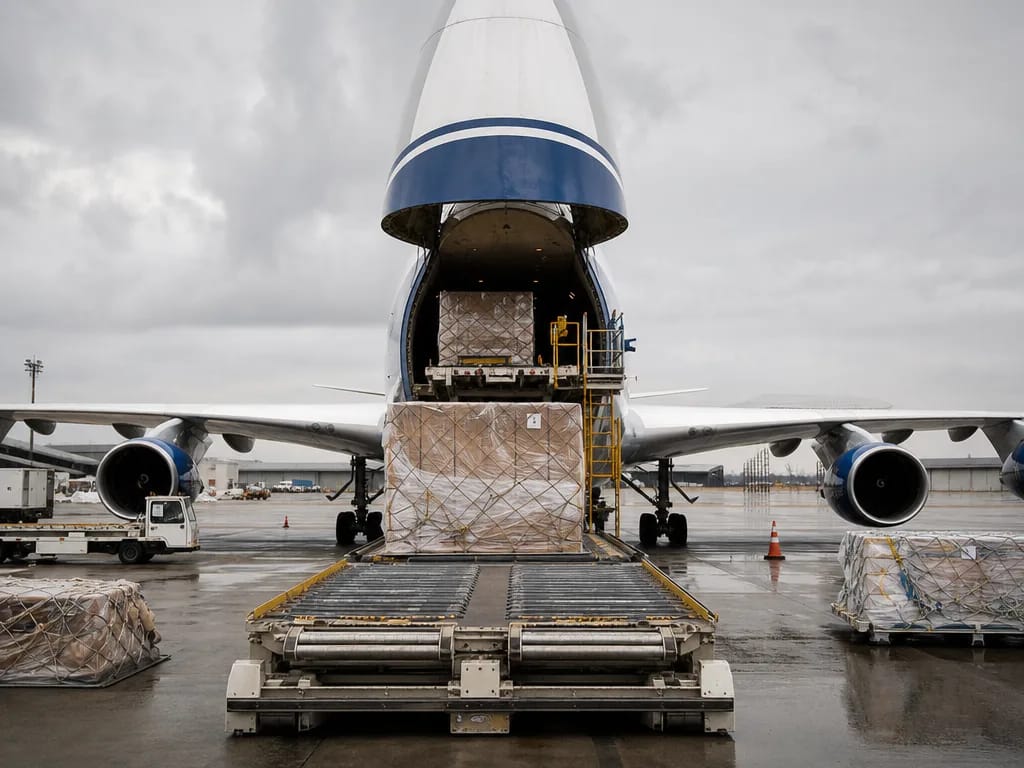
Preserve sorting and loading areas.
The next question: how to treat such large surfaces without disrupting operations?
An operation at scale
Everything happens from the outside, with no heavy load on the roof. The site keeps operating during the works.
Assessment of the roof, surface area and access, with a predictable quote plannable in N+1/N+2.
High-pressure cleaning and preparation of the large surfaces to ensure adhesion.
Machines at the foot of the building, only the hoses go up. No load or vibration on the structure.
Verification of application quality across the whole surface and ongoing support over time.
Machines on the ground · Capacity of several thousand m²
Surface temperature readings and operator feedback on large-surface industrial sites.
-7 to -8°C
on the temperature under the roof
Controlled cost
vs industrial air-conditioning equipment
No downtime
100% external application




Before launching your project, here are the most common questions.
The questions most often raised by infrastructure and site managers in aerospace.
Another question? Let's talkRequest a study: we quantify the thermal gain of your roof and a budget you can plan across large surfaces.
Aerospace dossier
Aerospace hangars are among the largest industrial roofs. Non-air-conditioned and highly exposed, they become hard to bear in summer.
An immense roof, often steel deck or dark membrane, absorbs most of the radiation and exceeds 80°C at the surface, transmitting its heat to a space impossible to air-condition.
Air-conditioning a large hangar means prohibitive investment and operating costs. Cool roof prevents heat from entering rather than fighting it once inside, at a fraction of the cost.
A reflective roof combines high solar reflectance and high emissivity. Its effect is all the more marked as the roof surface is large.
Covalba applies polyurethane systems with an anti-UV topcoat designed to last 8 to 20 years. For steel-deck hangars, CovaMetal adds anti-corrosion protection.
With a controlled cost per m², cool roof is easy to plan for an N+1 or N+2 financial year. Covalba provides a clear quote, free of commitment, that fits your programme.
Everything happens from the outside, machines on the ground: no load or vibration on the hangar structure, and ground activity continues as normal.
Sources

