Sound sheets taking the heat
CovaTherm reflective coating, gentle prep
Cool and protect without touching the covering.
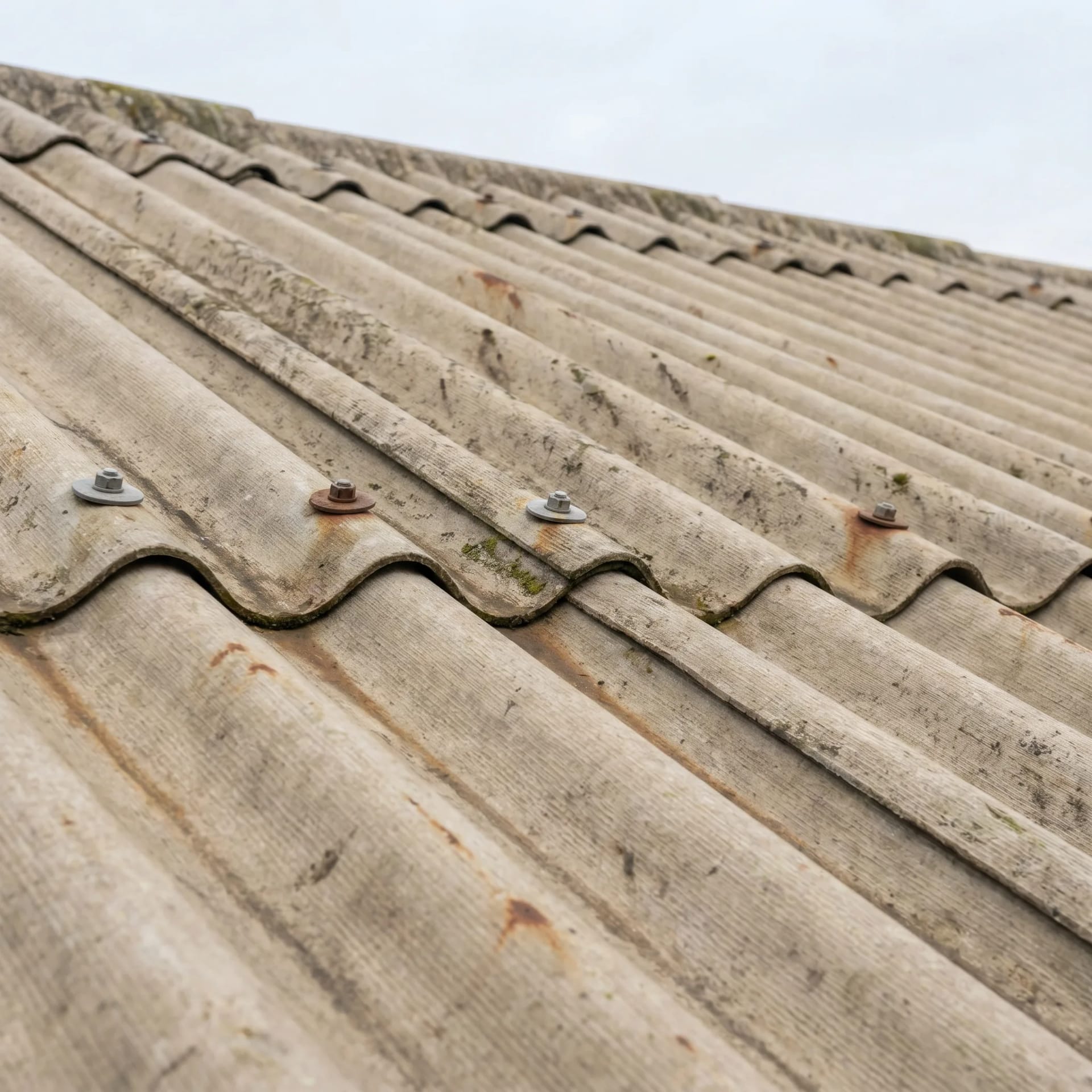
FIBER-CEMENT ROOF COATING
Cool your fiber-cement roof by 8 to 10°C with no tear-off, and skip a costly removal job.
-8 to -10°C
under the roof
No tear-off
of the covering
20-22 €/m²
no major job
Why act
Fiber-cement sheets, often dark and barely insulating, get seriously hot in the sun.
Fiber-cement goes porous, gets coated in moss, and loses its looks.
On old roofs, removal is a heavy, costly job — especially when the material falls under asbestos rules.
A reflective roof coating cools and protects the roof without touching the covering.
The Covalba solution
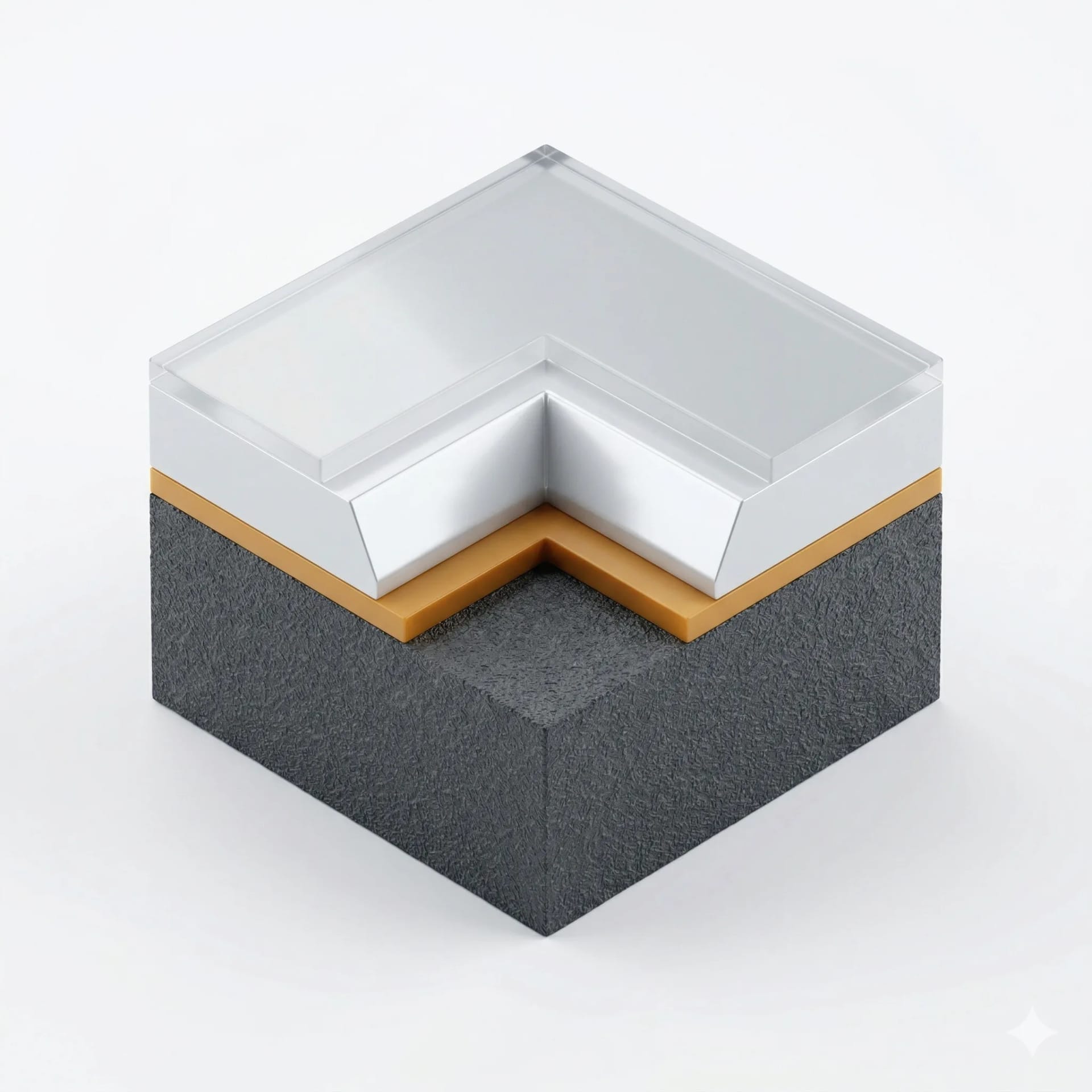
On a fiber-cement roof, the reflective CovaTherm coating goes on with gentle prep, matched to a fragile substrate. It bounces the sun back, drops the temperature, and protects the sheets — no tear-off, no drilling.
On fiber-cement that may contain asbestos, the work falls under local asbestos rules. We confirm the applicable framework during the technical check.
What you gain
Up to 8 to 10°C cooler under the roof, from the first summer.
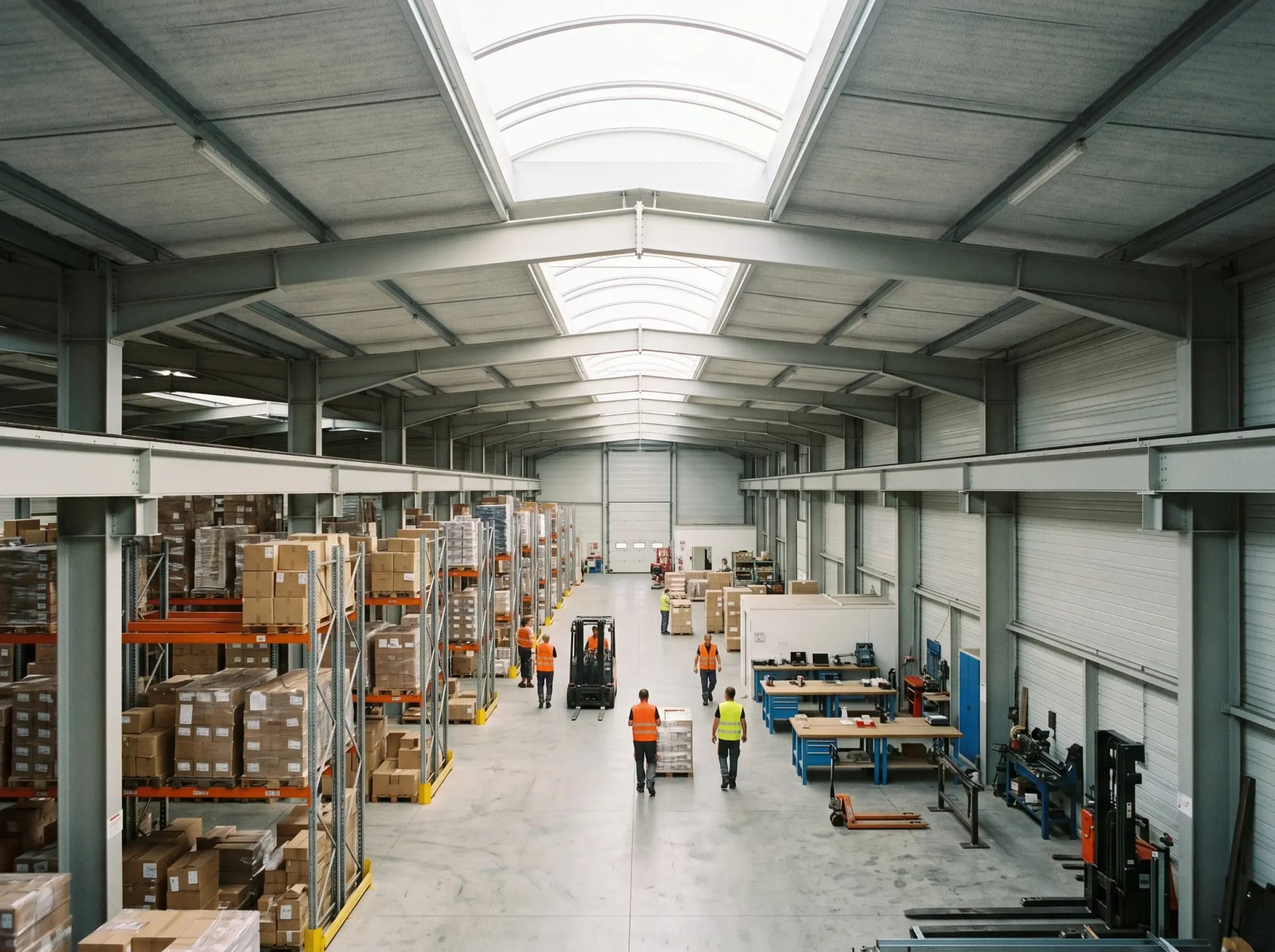
The fiber-cement stops passing its heat through. Warehouses and shops are bearable again come summer.
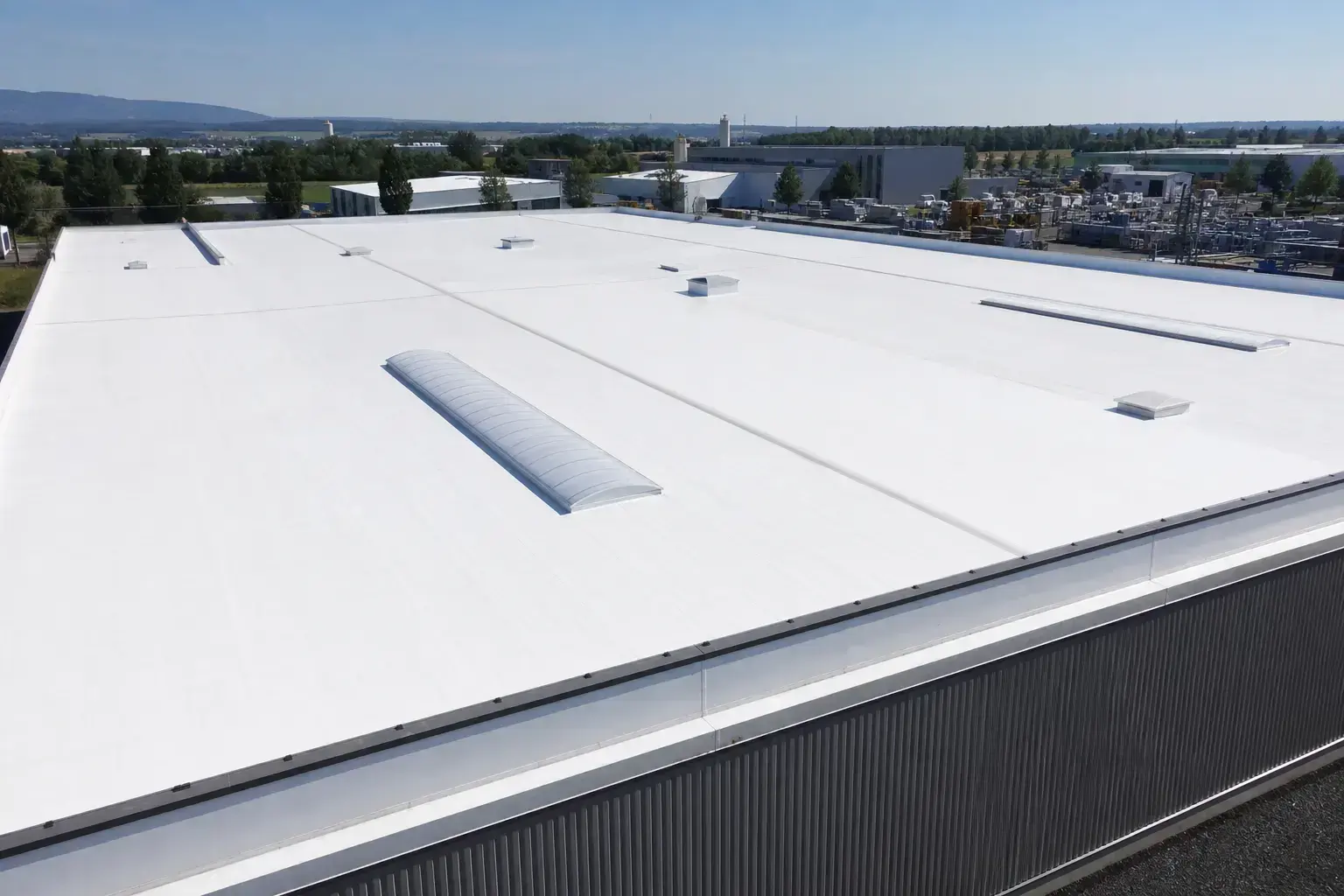
The coating shields the sheets from UV and slows their wear.
You skip a heavy job and the extra cost that comes with old materials.
Applied from the ground, with no need to stop work on site.
The right call
As long as the sheets are sound, a reflective roof coating takes the heat out and saves you a heavy removal job. On fiber-cement, the gap versus a tear-off is often the widest of all.
Sound sheets taking the heat
CovaTherm reflective coating, gentle prep
Cool and protect without touching the covering.
Porous sheets, moss
Gentle cleaning, then CovaTherm
Bring back the look and protect, with no tear-off.
Broken or cracked sheets
Swap the bad sheets, then coat the whole roof
Fix the spot issues first, then protect the rest.
Roof at the end of its life
Technical check: a tear-off may be the call
A reflective coating can't save a roof that's beyond repair.
We check the sheets and the regulatory side so you can take the heat out without a costly removal job.
What it works on
Fiber-cement is fragile and can’t take aggressive treatment. So the prep is tailored: gentle cleaning, no high-pressure spray that could chew up the sheets, and no drilling.
Sheet condition, moss, structural soundness, regulatory context.
Gentle cleaning, without damaging the substrate.
Reflective coating, sprayed from the ground.
Quality check and monitoring over time.
Gear at the foot of the building, nothing on the roof. The coating goes on without harming the substrate, done by a trained, equipped crew.
Real results
-7.5°C
on surface temperature
Protected sheets
from UV and weathering
No tear-off
of the covering
FAQ
CovaTherm cools and protects fiber-cement with gentle prep, matched to the substrate and its regulatory framework.
Fiber-cement covers a big share of the industrial and farm warehouses built last century. It runs hot, ages badly, and tearing it off has gotten expensive.
Fiber-cement sheets, often dark and barely insulating, soak up the sun and pass it straight inside.
CovaTherm goes on with gentle prep: no aggressive cleaning, no drilling. The coating cools the building and shields the sheets from weathering.
A big share of old fiber-cement roofs contain asbestos. When they do, the work has to follow the applicable asbestos rules, confirmed roof by roof.
Ripping off an old roof, hauling it away, and putting up a new one runs into serious money. As long as the sheets are sound, a reflective coating is the cheapest route by far.
On a poorly insulated fiber-cement warehouse, a reflective surface shows up fast in summer comfort.
The CovaTherm system — polyurethane with a finishing varnish — is built to last 8 to 10 years while protecting the sheets.