Confort équipes
Teams working in a furnace
Over 35°C in the picking area: throughput drops and heat-related breaks multiply.
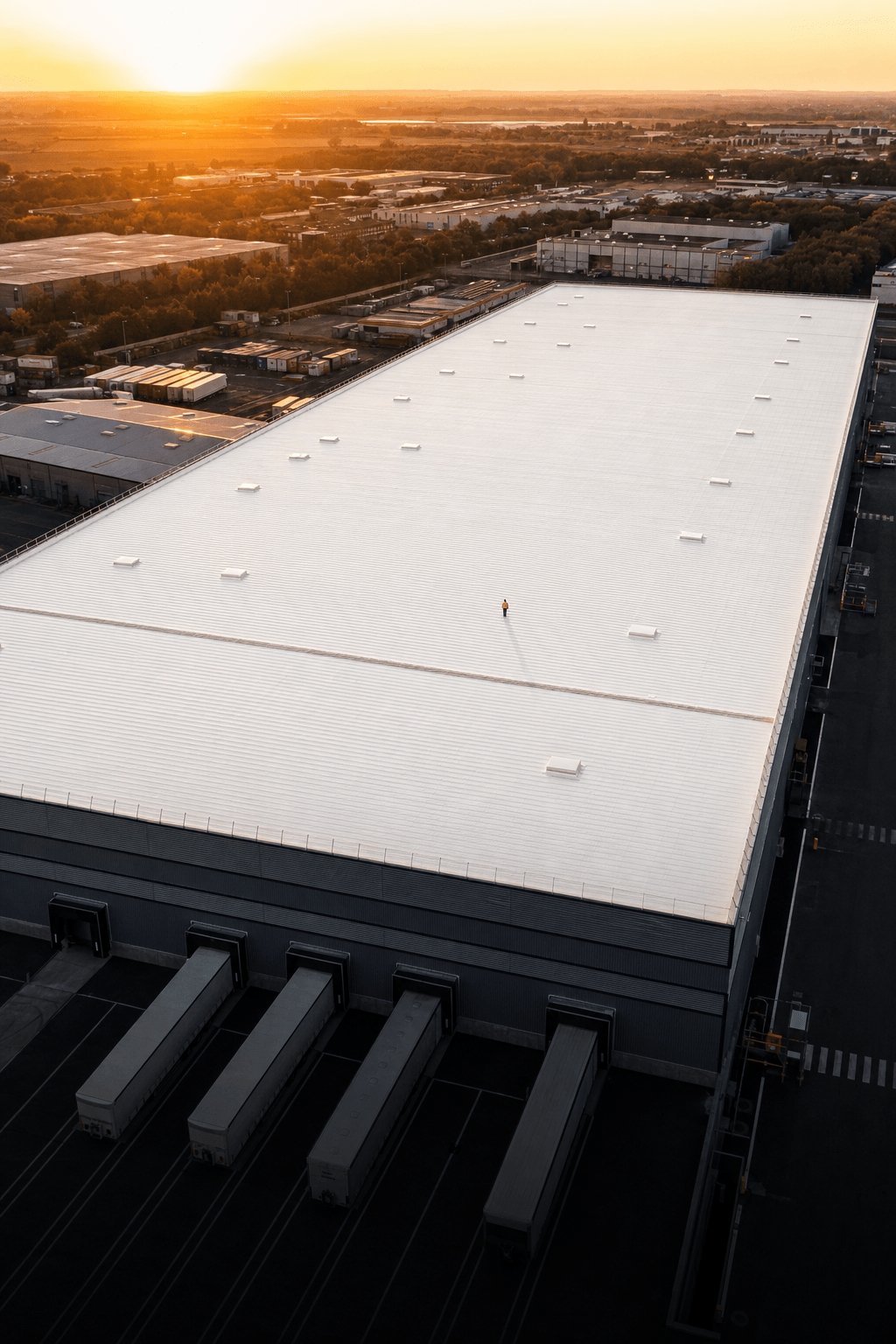
Better working conditions for your teams and protected goods, without relying on air conditioning and with no disruption to operations.
−10°C
under the roof
No interruption
to your operations
Steel deck · Bitumen
Membrane compatible
Réponse personnalisée sous 48h
Ils maîtrisent déjà la chaleur de leurs sites












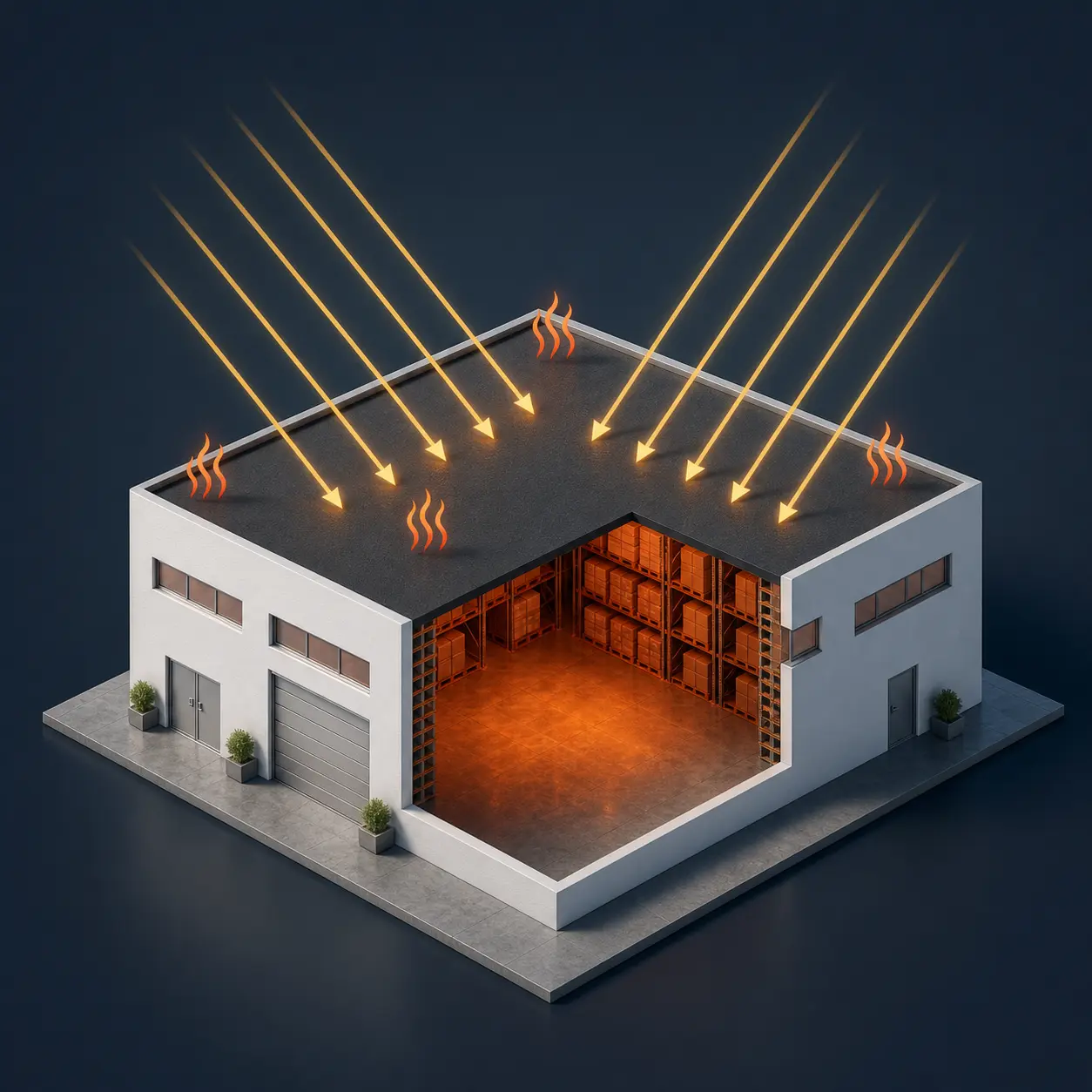
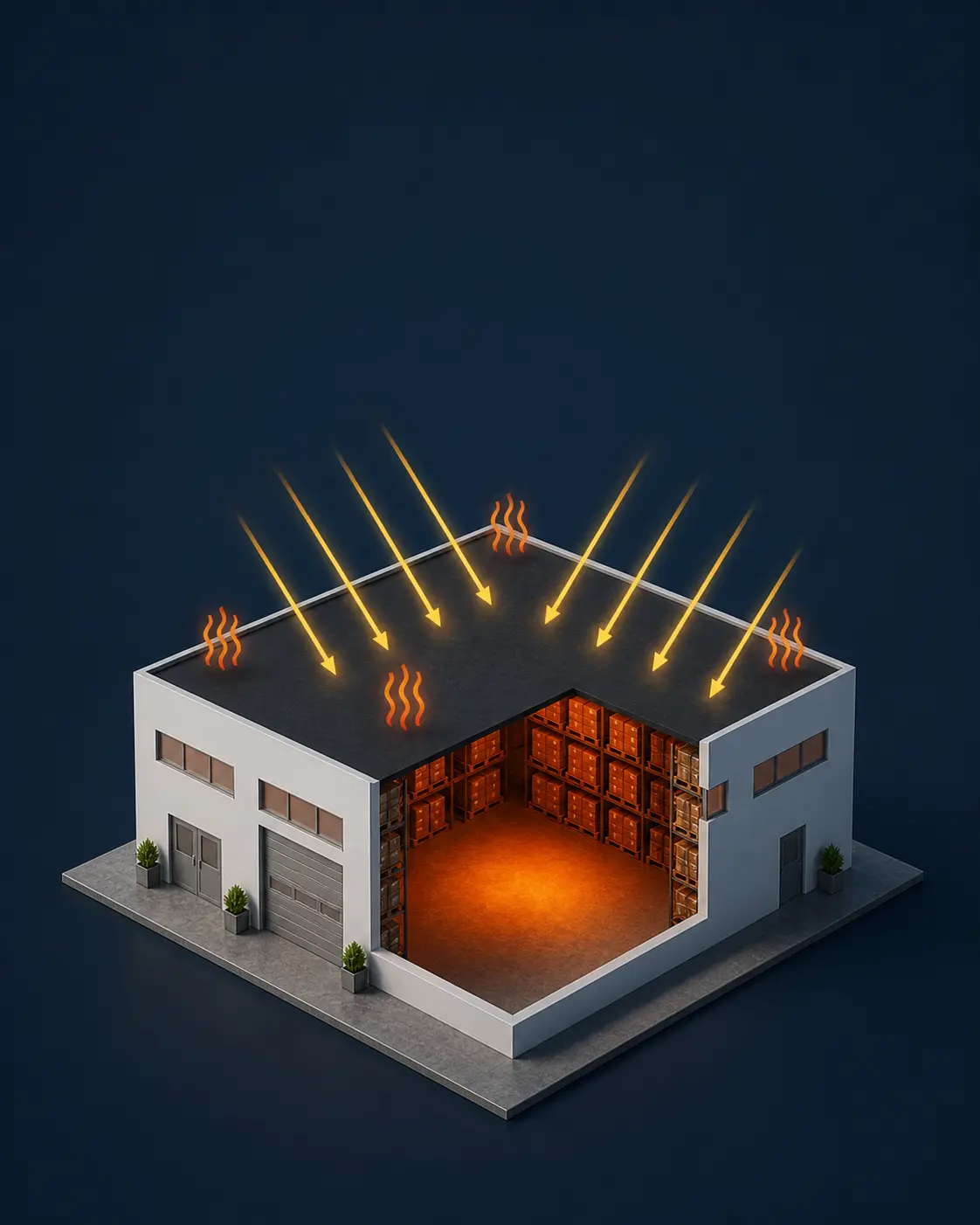
A steel deck warehouse roof can hit 80°C at peak summer. That heat moves through the building, wears down your teams, threatens your goods and overloads your cooling units.
Confort équipesOver 35°C in the picking area: throughput drops and heat-related breaks multiply.
 Stock sensible
Cosmetics, wines, pharma: temperature spikes lead to losses, returns and customer disputes.
 Froid industriel
Compressors run longer, the bill climbs and the cold chain becomes more fragile.
 Décret tertiaire
Beyond a certain size, controlling consumption becomes a matter of operating costs and building value, not just comfort.
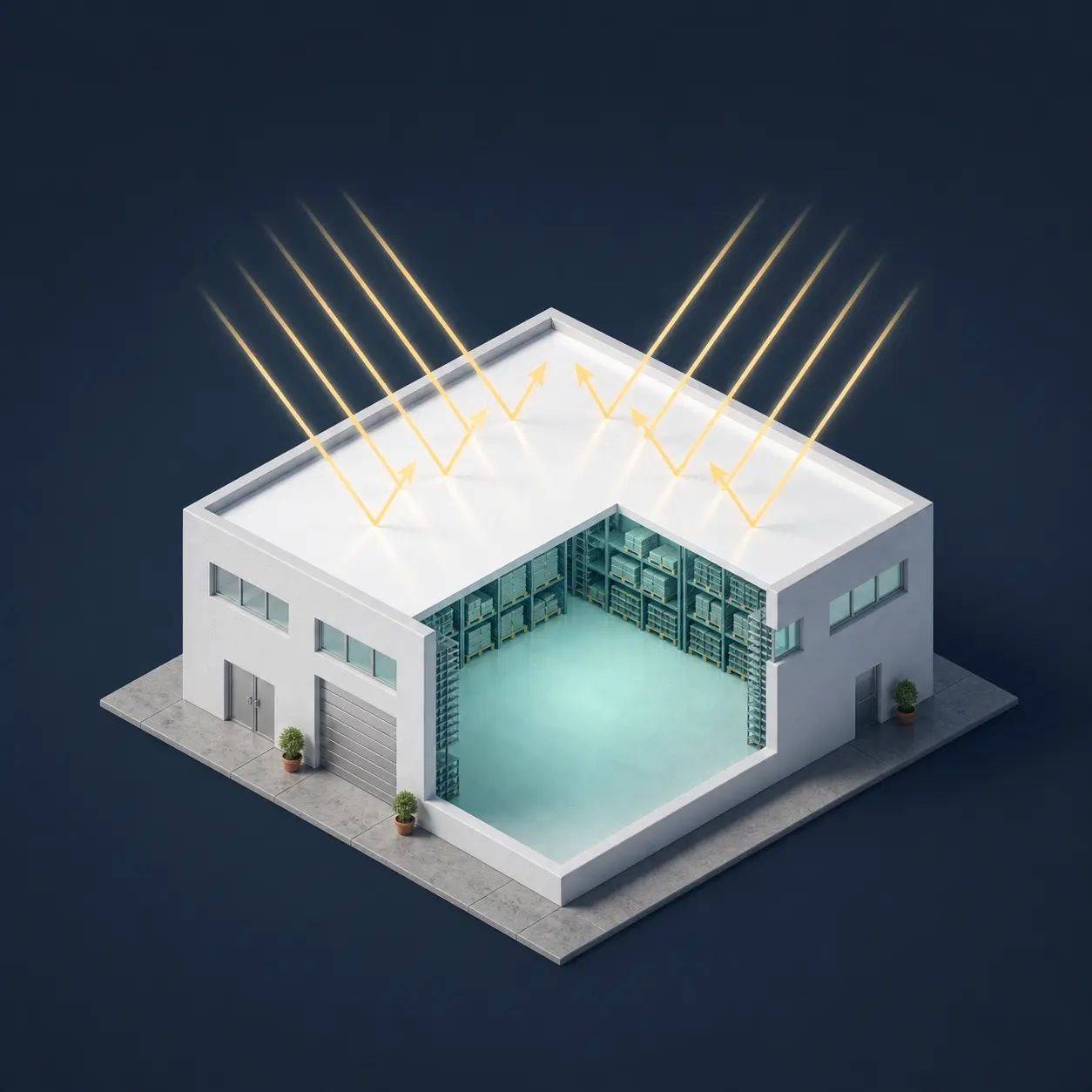
Air-conditioning a warehouse of several thousand square meters is often impossible or prohibitively expensive, when it isn't simply absent. Rather than cooling the air, a reflective coating keeps the roof from heating up in the first place. A dark roof soaks up solar radiation, while a reflective roof sends it back before it reaches the building.
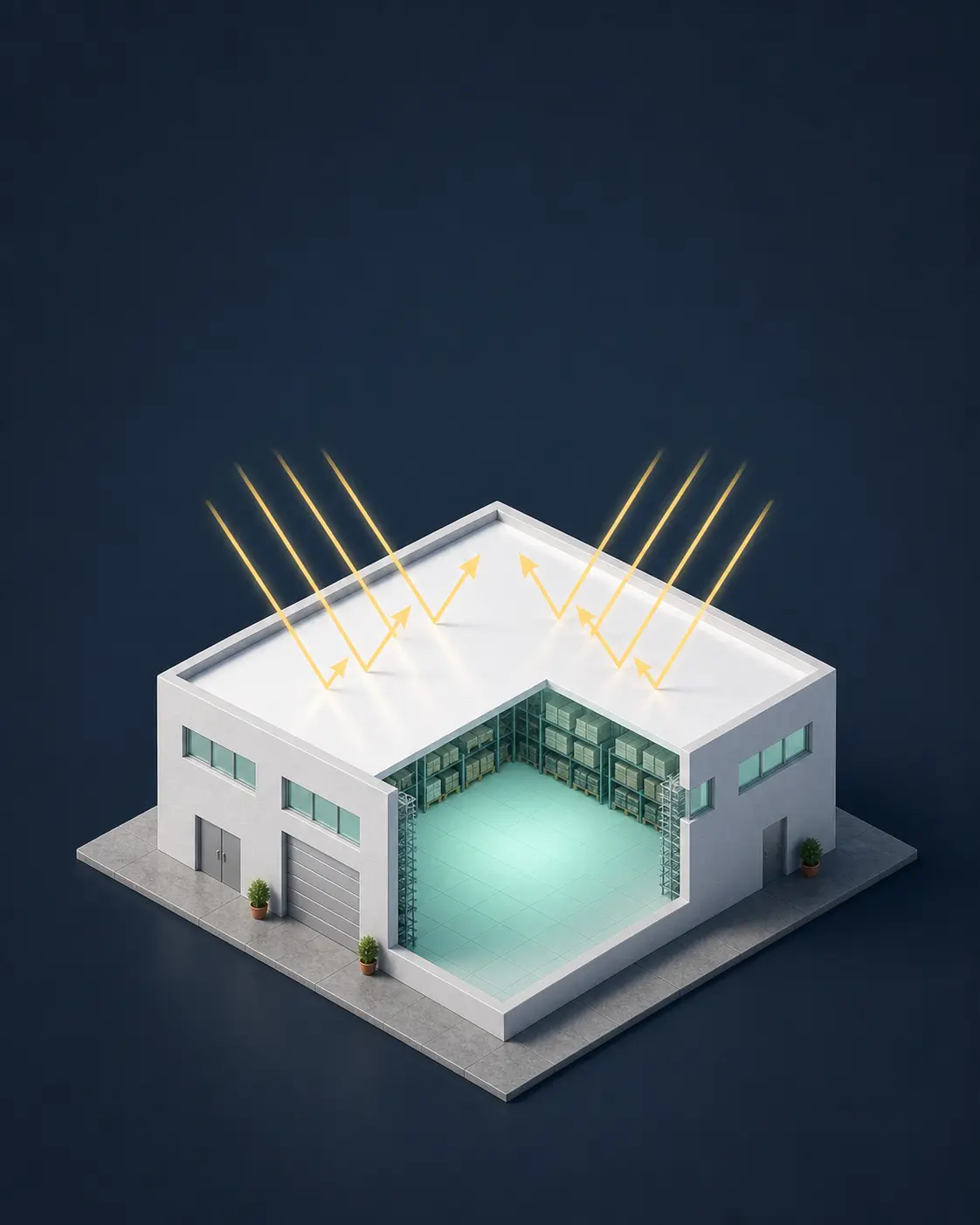
The reflective coating works up on the roof, but you feel it across the whole operation.
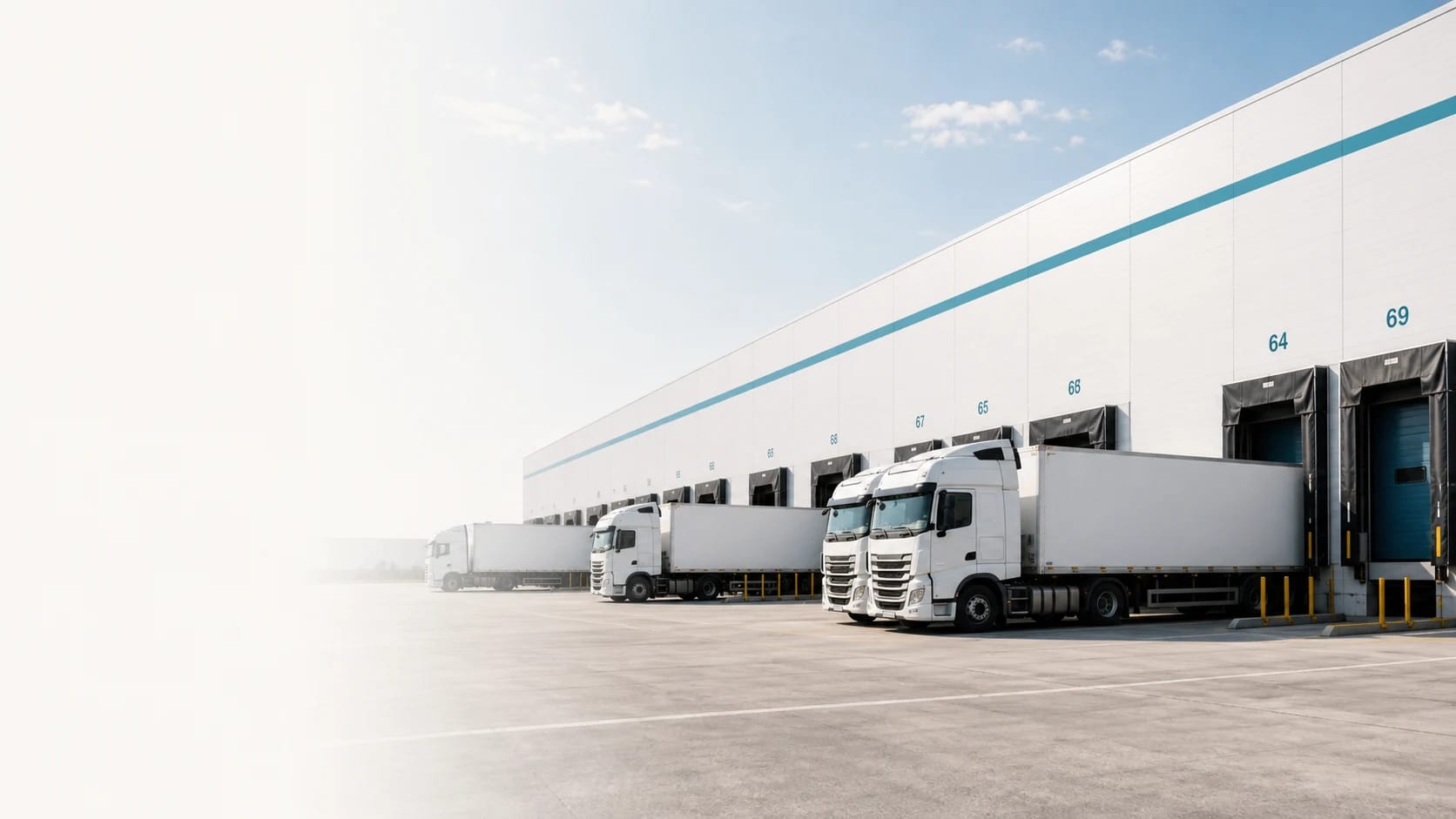
Dès le premier été
Up to
-10°C
indoors in summer*
*Depending on exposure, insulation and building configuration.
Quatre impacts lisibles dès l’exploitation : confort, stockage, froid et durabilité.
Moins de fatigue pendant les pics de chaleur.
Stockage plus stable dans les zones sensibles.
Groupes frigorifiques soulagés en période chaude.
Moins d’UV et de contraintes thermiques.
Covalba coatings are built for logistics buildings where heat hits your teams, your products or your costs.
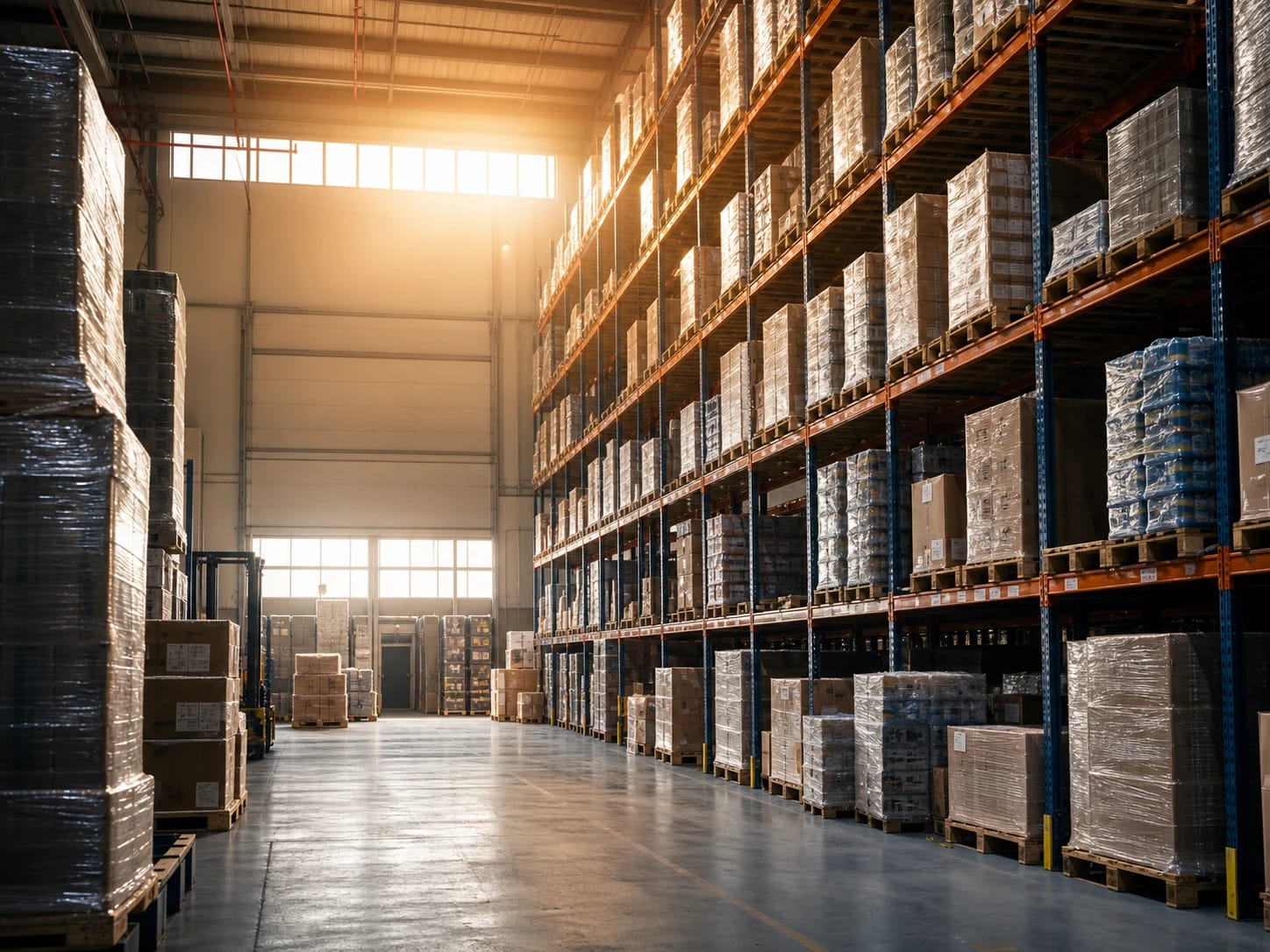
Large volumes, heat that builds up high, better-protected products.
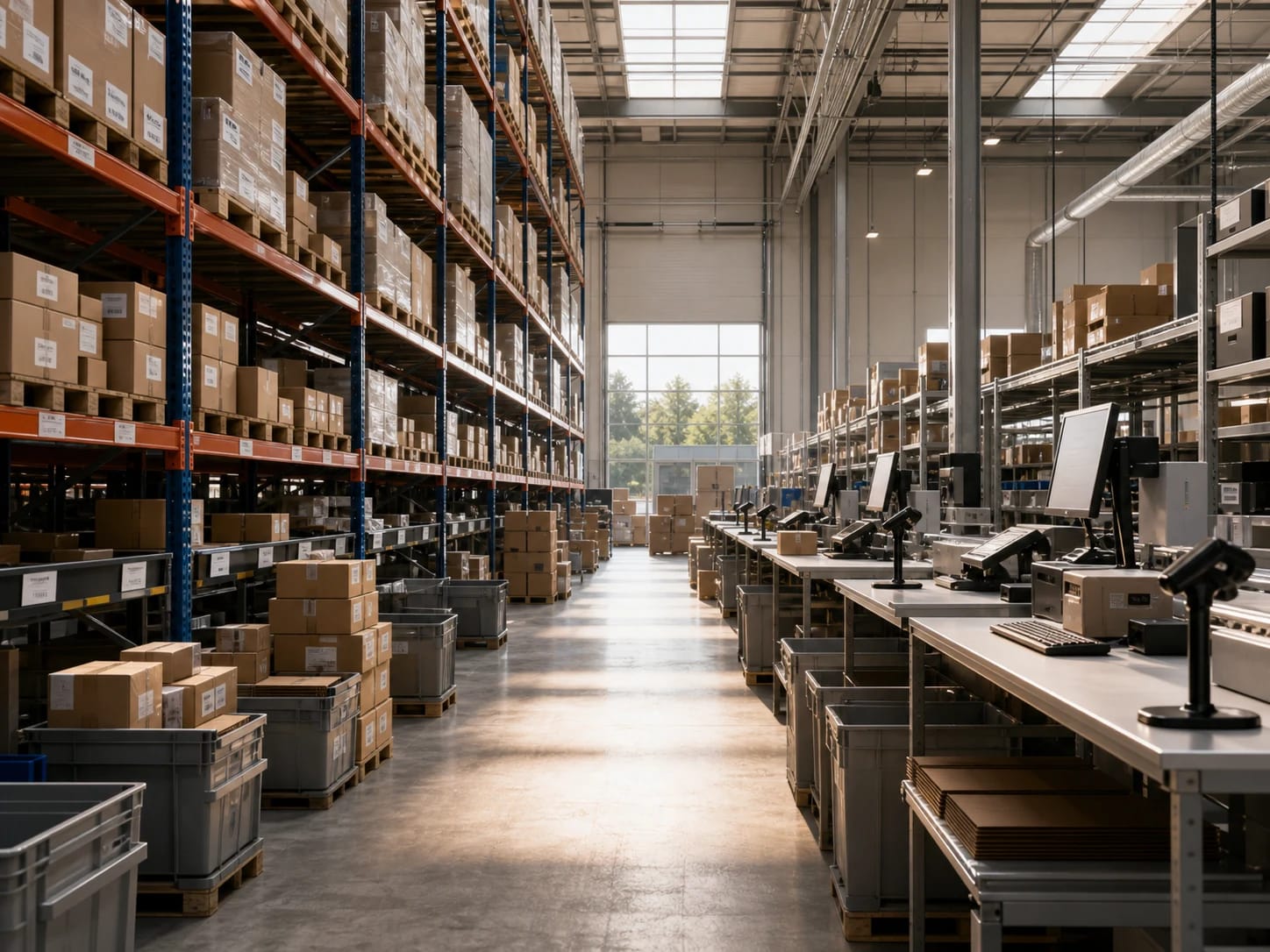
More comfortable pickers during activity peaks.
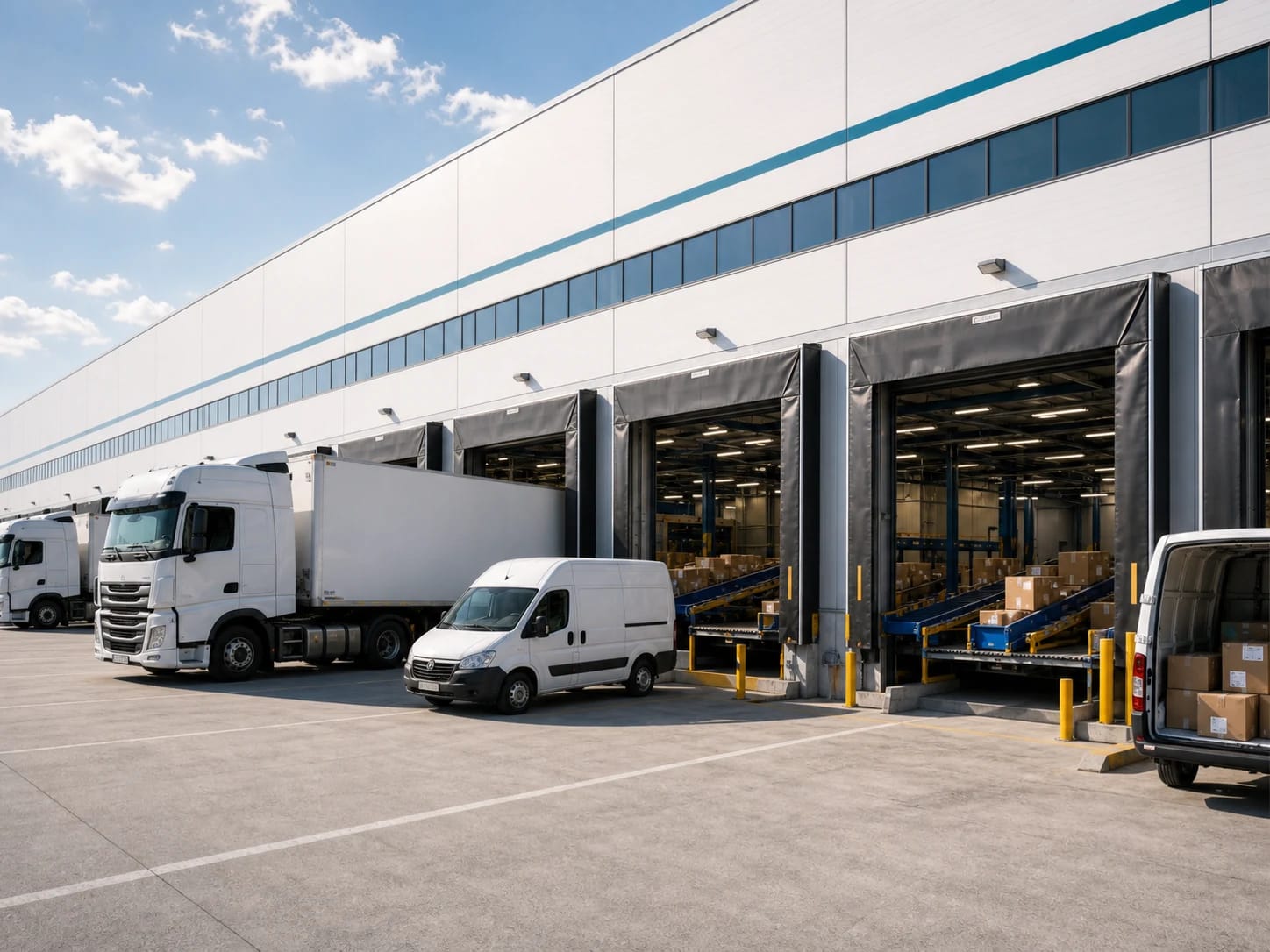
Docks and sorting areas less exposed to overheating.
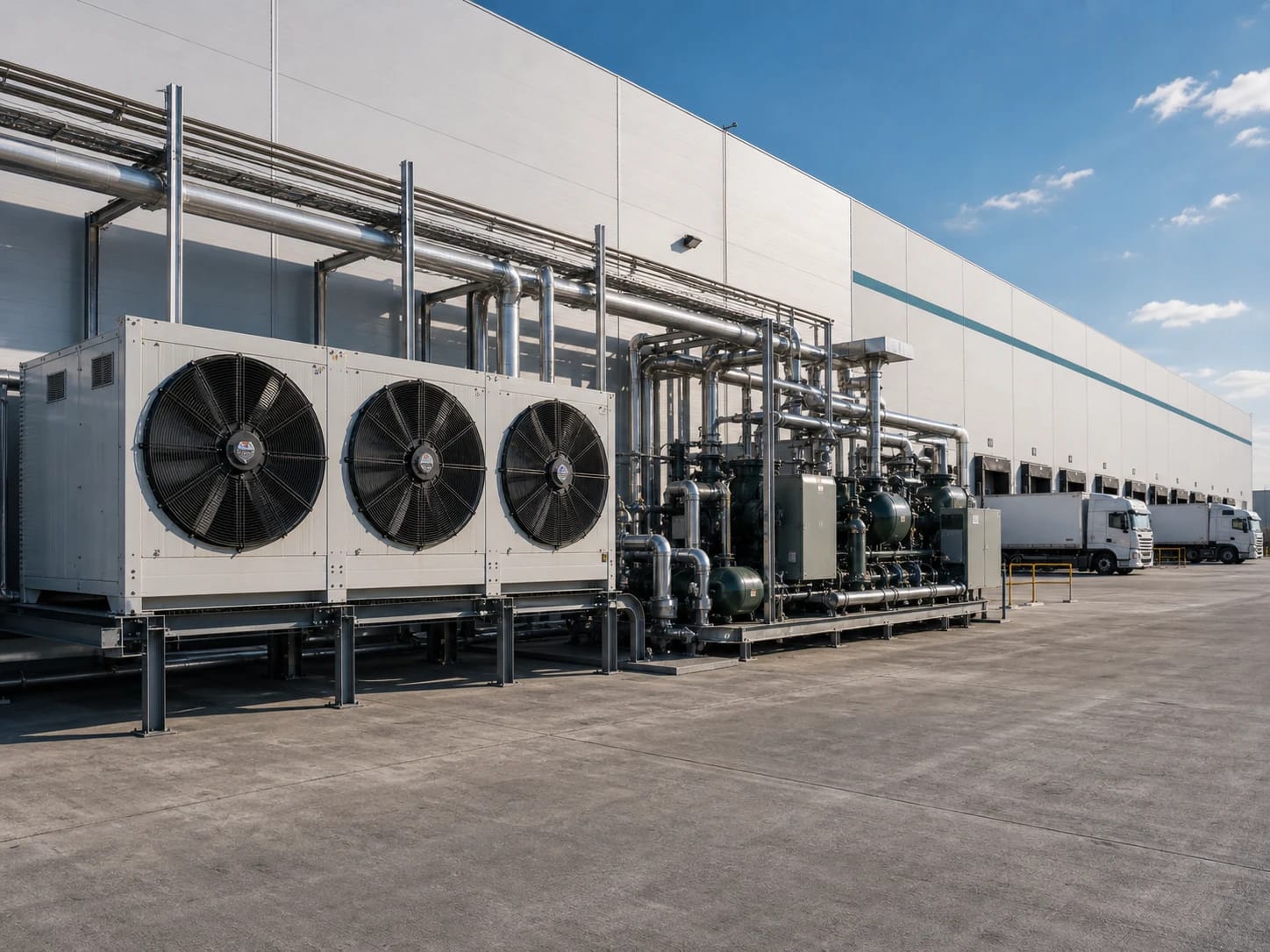
Less demand on cooling units, faster ROI.
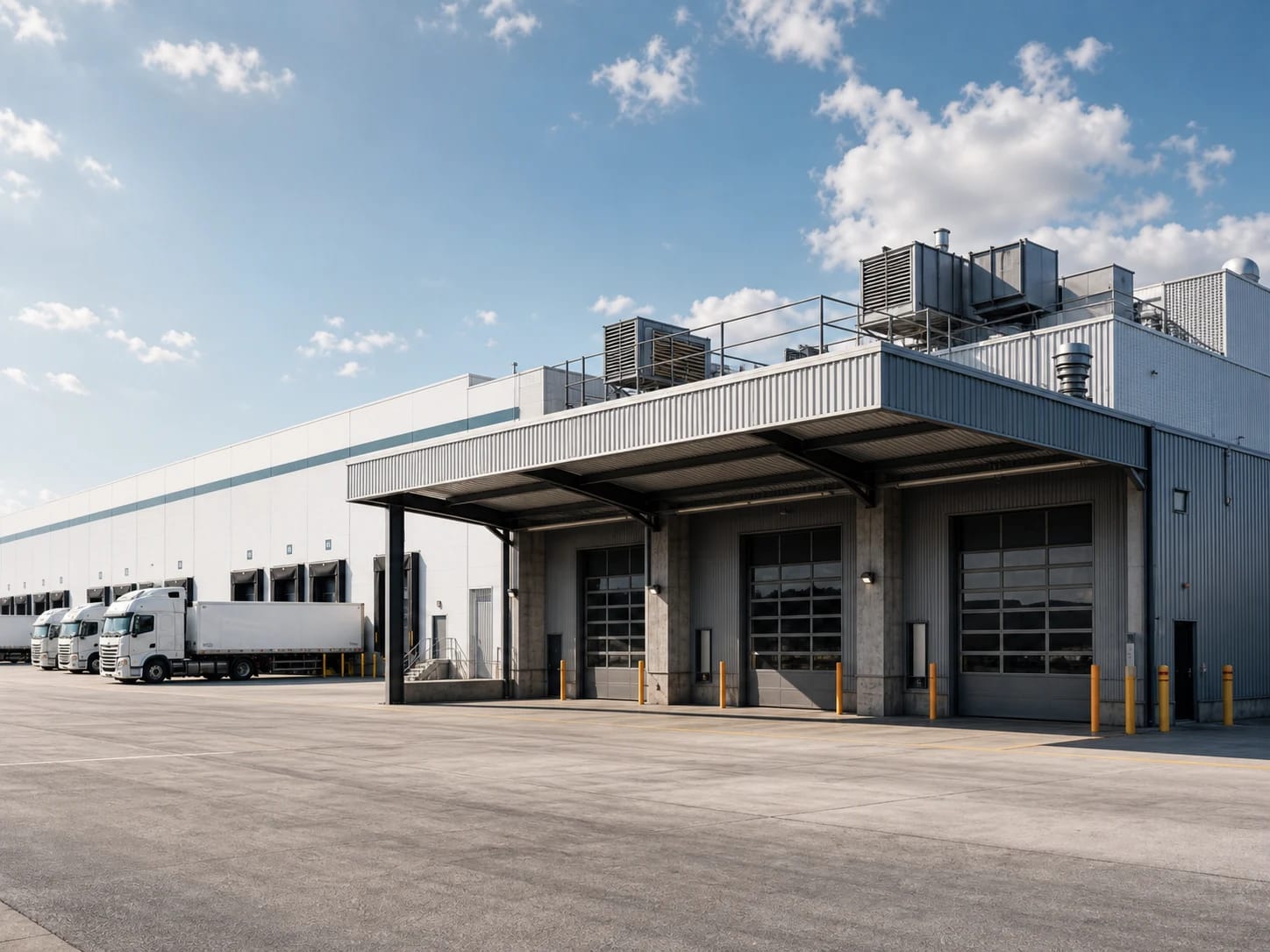
Sensitive equipment protected, less stress on the roof.
Large volumes, heat that builds up high, better-protected products.
More comfortable pickers during activity peaks.
Docks and sorting areas less exposed to overheating.
Less demand on cooling units, faster ROI.
Sensitive equipment protected, less stress on the roof.
A simple, low-risk application method
Everything happens from the outside of the building. Your operations keep running normally throughout application, without interrupting production or affecting your certifications.
Analysis of the roof, the condition of the substrate, access constraints and your thermal objectives.
Cleaning, securing the area and preparing the substrate so the coating adheres properly.
Continuous spray application of the coating, from the outside, with a setup tailored to the site.
Verification of application quality and long-term performance.
Only the hoses go up onto the roof. No load, no vibration, no risk to the structure.
Covalba backs your contractor with application specs and guidance for our reflective roof systems.
Our projects speak for themselves: surface temperature readings, equipped sites and operator feedback. Proof from the roof, not from the pitch.
-7 to -10°C
in roof surface temperature
up to -20%
in air-conditioning demand
Passive solution
with no energy consumption, applied from the outside
Cas clients
Les cas déjà publiés structurent les preuves sectorielles ; les pages projet détaillées resteront une phase séparée.
 Logistique
Entrepôt fruits et légumes de 3 000 à 3 500 m² à Perpignan : baisse de température sur quais et zones froides, moins de chocs thermiques et moins de litiges à la livraison.
 Logistique
Installation de la peinture réflective CovaTherm SRI=119 sur l'étanchéité bitumineuse.
Voir les références Logistique
Installation de la peinture réflective CovaTherm SRI=119 sur l'étanchéité bitumineuse
Voir les références Logistique
Installation de la peinture réflective CovaTherm SRI=119 sur l'étanchéité bitumineuse
Voir les référencesIls nous font également confiance
The questions warehouse managers ask most often. If yours isn't here, let's talk.
Another question? Let's talkRequest a quote and discover the potential of your logistics site, for your teams, your goods and your costs.
Dossier logistique
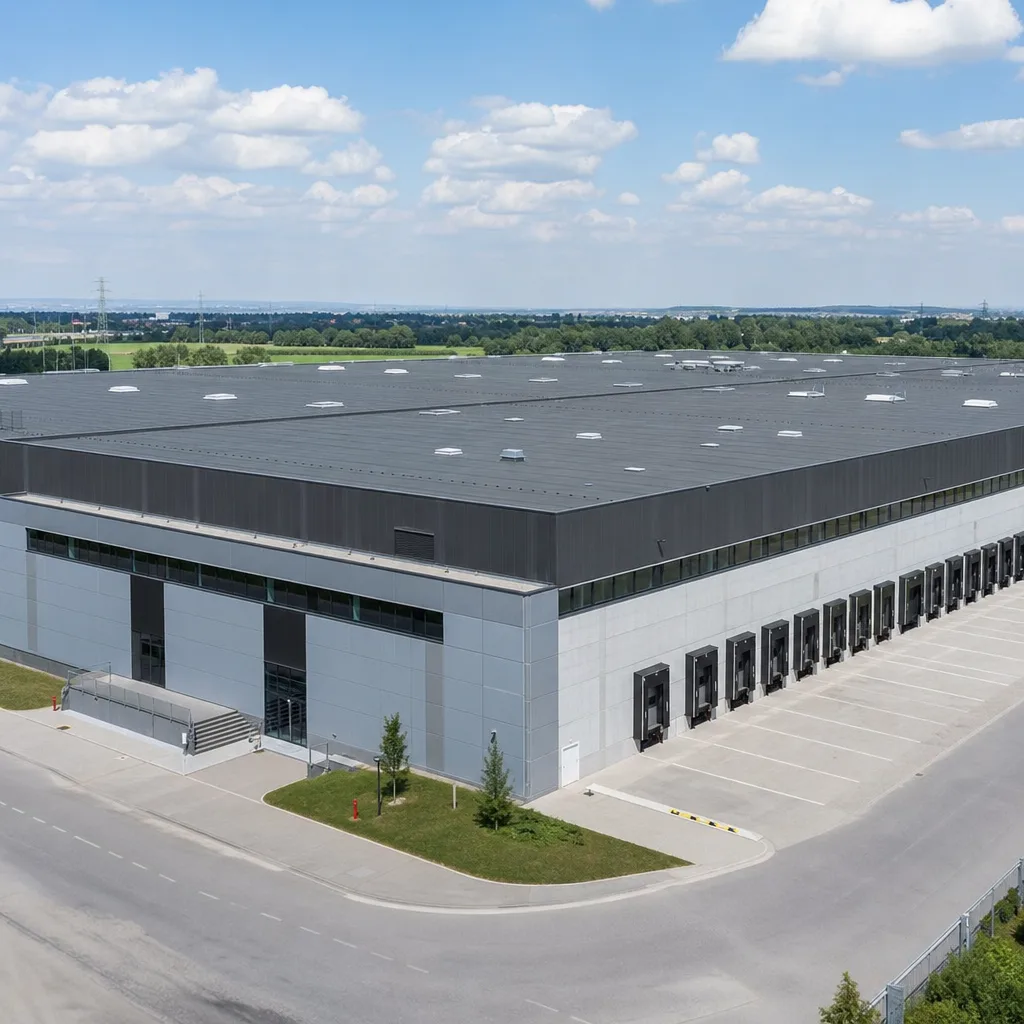
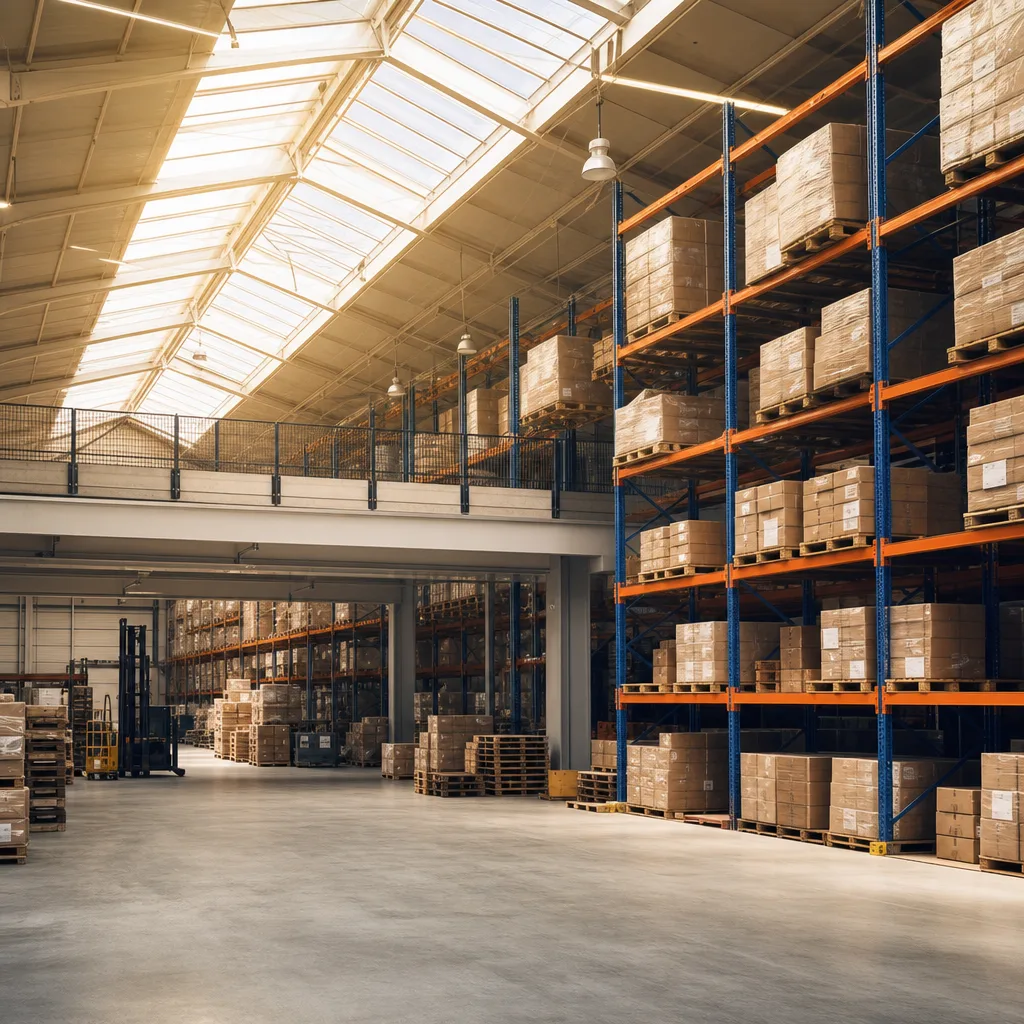
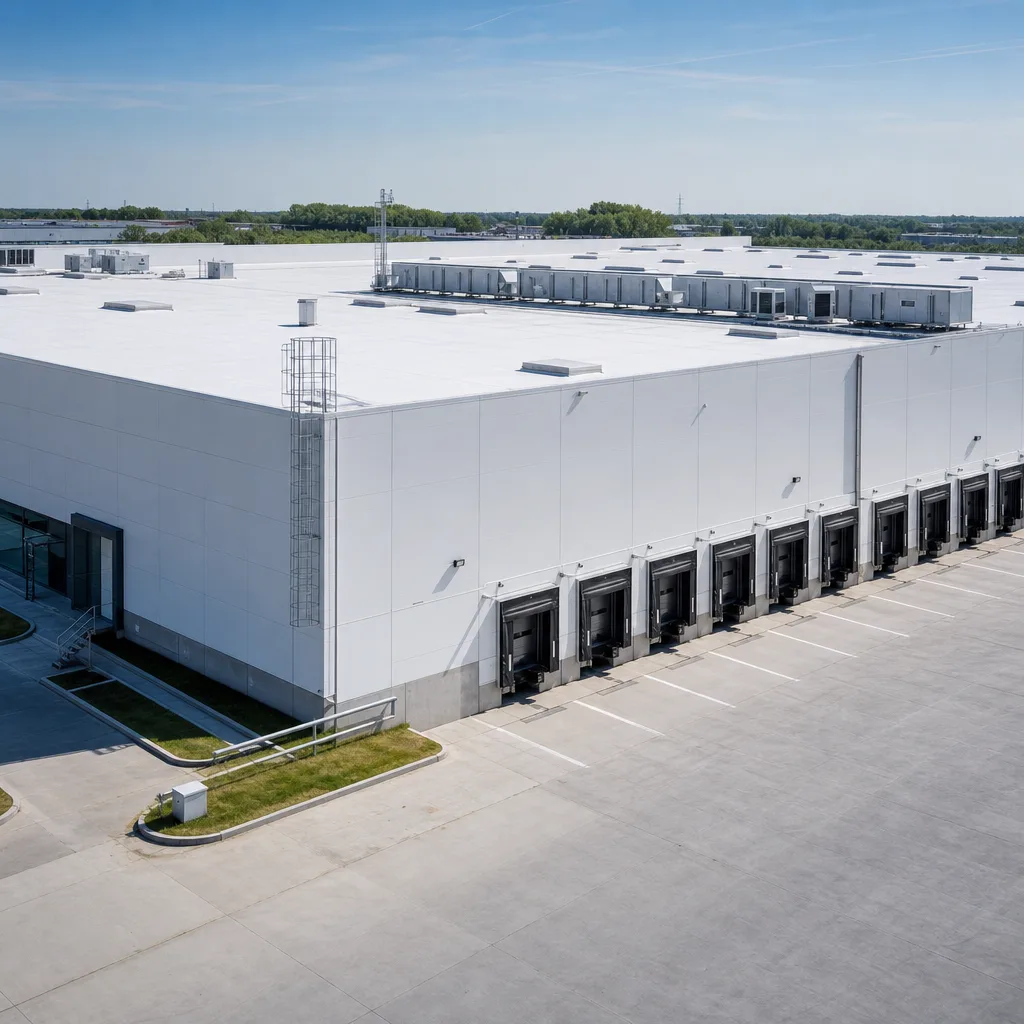
A logistics warehouse combines three characteristics that make it a heat trap. Its roof is vast, often several thousand square meters in a single span. It is generally made of poorly insulated or uninsulated steel deck, a material that absorbs and transmits heat very quickly. And it caps a large volume of air, in which heat rises and stratifies. At the height of summer, the surface of a dark roof can exceed 80°C, and a large part of that energy ends up transmitted indoors. The upper areas, mezzanines and top racks then become the hottest points on site, where goods are often stored and forklift operators move around.
Heat in the warehouse is above all a workplace health and safety issue. Forklift operators, order pickers and dock workers carry out sustained physical effort, sometimes in buildings where the temperature exceeds 35°C in summer. Building extreme heat into how you organize the work is essential to protect teams. By lowering the temperature under the roof, a reflective roof coating helps create more bearable conditions, so you see fewer drops in throughput, less absenteeism and fewer heat-related stoppages. At labor-intensive sites such as e-commerce platforms, it drives performance directly.
Many products stored in warehouses degrade above a certain temperature, even outside refrigerated areas. Cosmetics, electronics, wines and spirits, dry goods and pharmaceutical products all have storage temperature ranges to respect. When the heat transmitted through the roof drives up the indoor temperature, particularly in the upper area, the risk of losses, non-conformities and disputes increases. By stabilizing the temperature, a reflective coating helps keep goods intact through the hottest periods.
A reflective roof coating means applying a light-colored coating with high solar reflectance over the existing roof. The principle is well backed by decades of research on urban heat islands. Rather than absorbing radiation like a dark surface, the roof sends it back outside. The surface heats up far less, so the heat transmitted to the building drops too. It is a passive solution: once applied, it works without consuming energy, unlike air conditioning, which has to be powered continuously and is often absent from warehouses.
For refrigerated platforms and warehouses with chilled areas, an additional challenge comes into play. Every degree of heat transmitted through the roof has to be offset by the cooling units, which run in overdrive during hot periods. By cutting that heat input, the reflective coating eases the load on the compressors, reduces the energy bill and lowers the risk of a cold chain break during extreme heat. It is at these sites that the return on investment is fastest.
Controlling energy use is becoming a major challenge for large storage buildings. A reflective roof coating fits this trajectory as a low-impact measure, especially at sites with refrigeration or air conditioning. Since most recent warehouses already ship with light-colored roofs, the challenge centers on the existing stock: older buildings with dark roofs or aging steel deck, refrigerated sites facing high running costs, and people-heavy operations. On these buildings, the Covalba reflective coating delivers a fast response, applied from the outside, with no downtime, and built to last thanks to a coating protected against yellowing and loss of reflectivity.