

Degraded working conditions
On the shop floor, temperatures become hard to bear during heat peaks, with a direct impact on productivity.
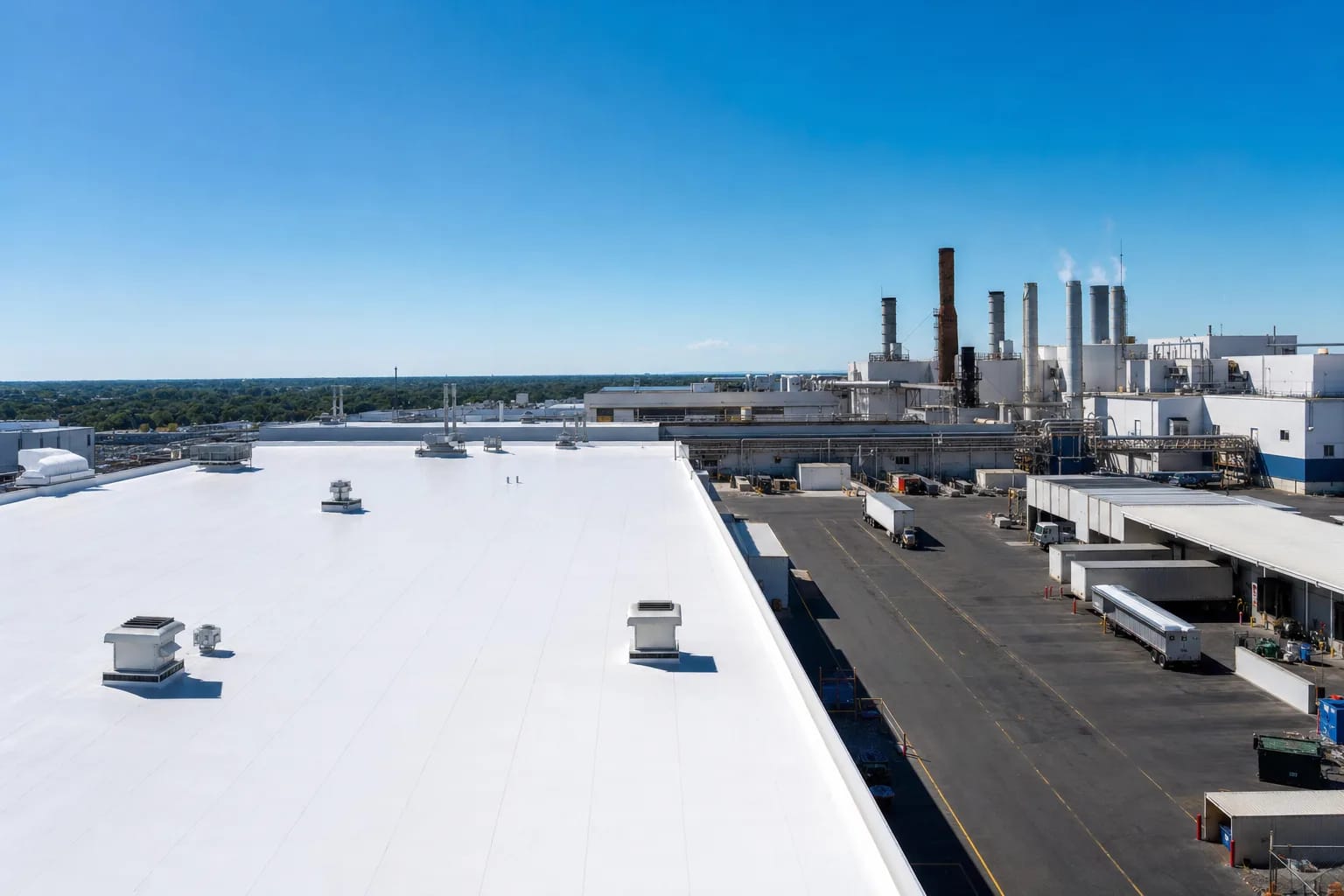
Cut the heat under the roof, relieve air conditioning and extend the waterproofing — without interrupting your production.
-7 to -10°C
under the roof
up to -40%
on cooling
+8 to 20 yrs
waterproofing life
Personalised response within 48h
Under an exposed roof, heat builds up, degrades working conditions, overloads equipment and accelerates the ageing of the waterproofing.
On the shop floor, temperatures become hard to bear during heat peaks, with a direct impact on productivity.
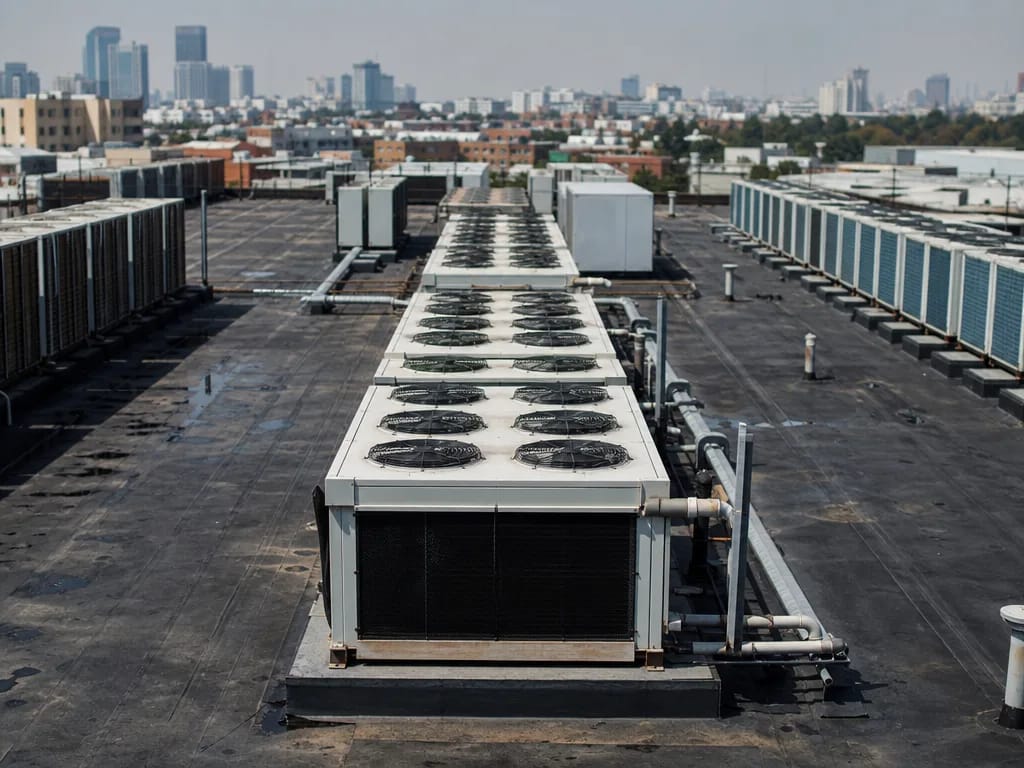
Air conditioning, ventilation and process cooling climb as the roof reaches 70-80°C.
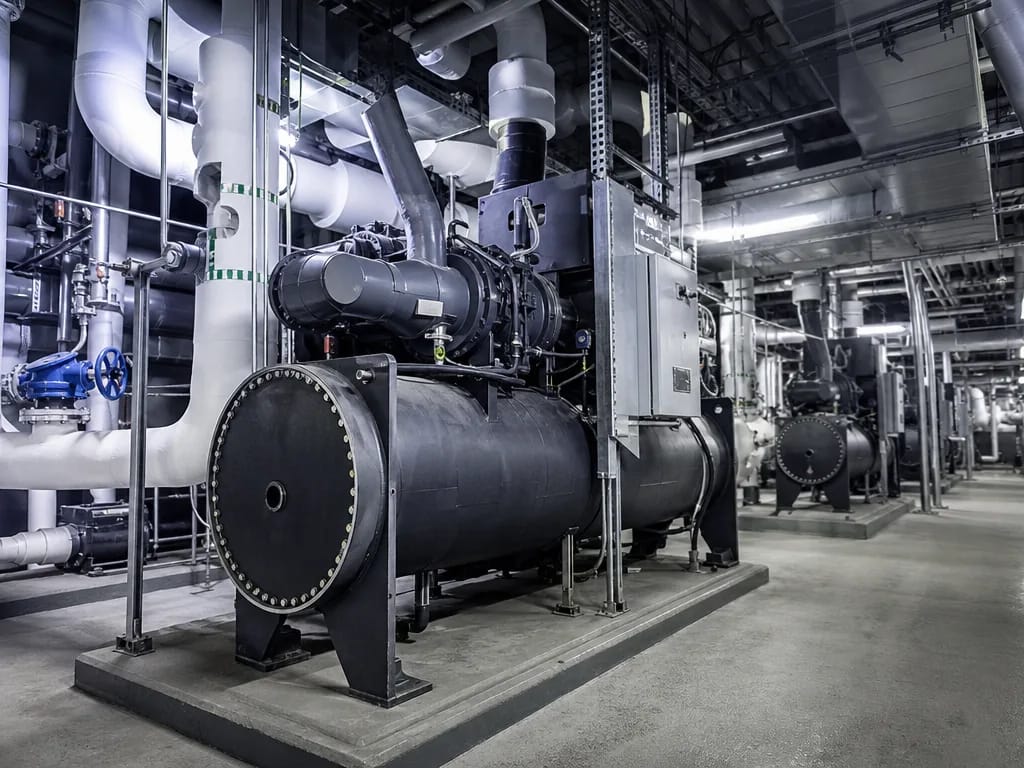
Chillers, AHUs and technical systems run in overdrive and wear out faster.
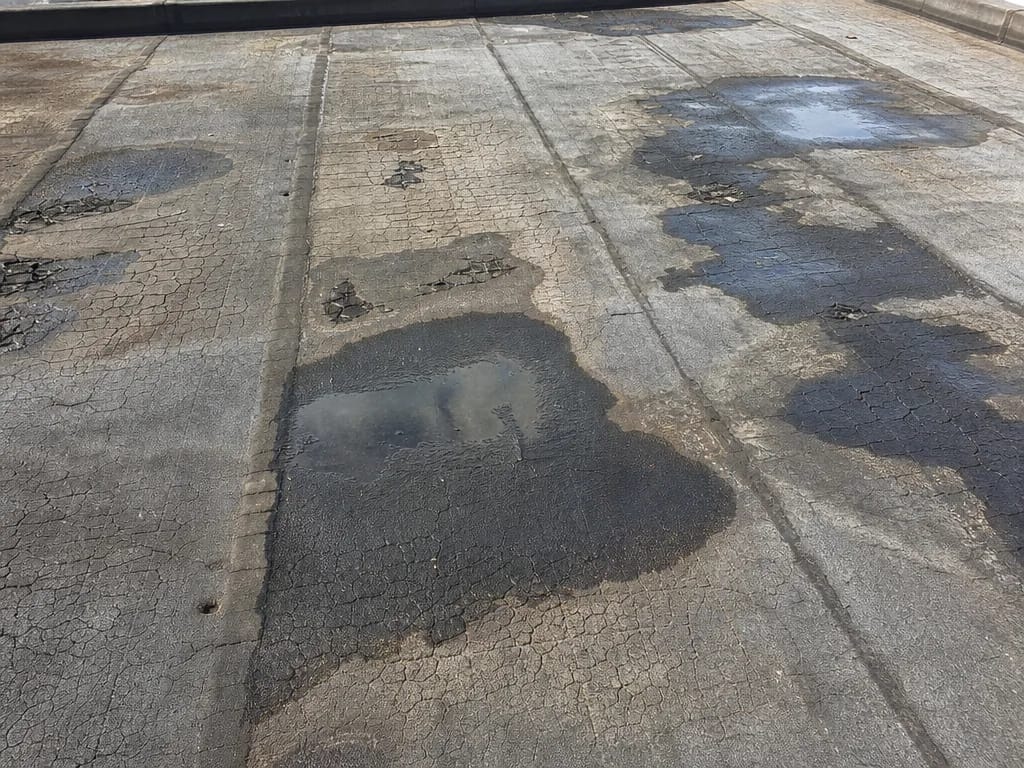
A roof exposed to UV and thermal swings ages faster: replacement is looming.
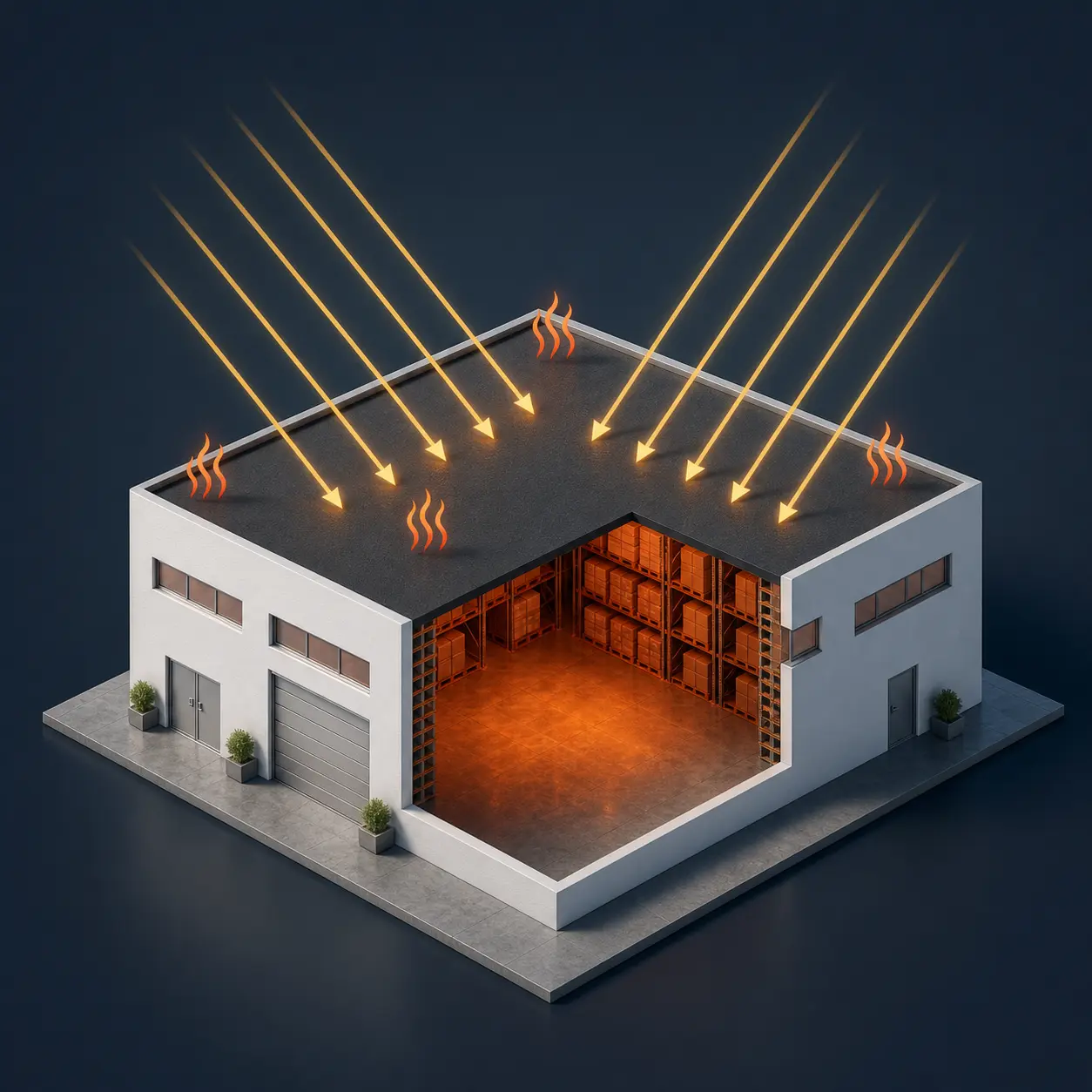
The common cause: a dark roof that absorbs heat instead of reflecting it.
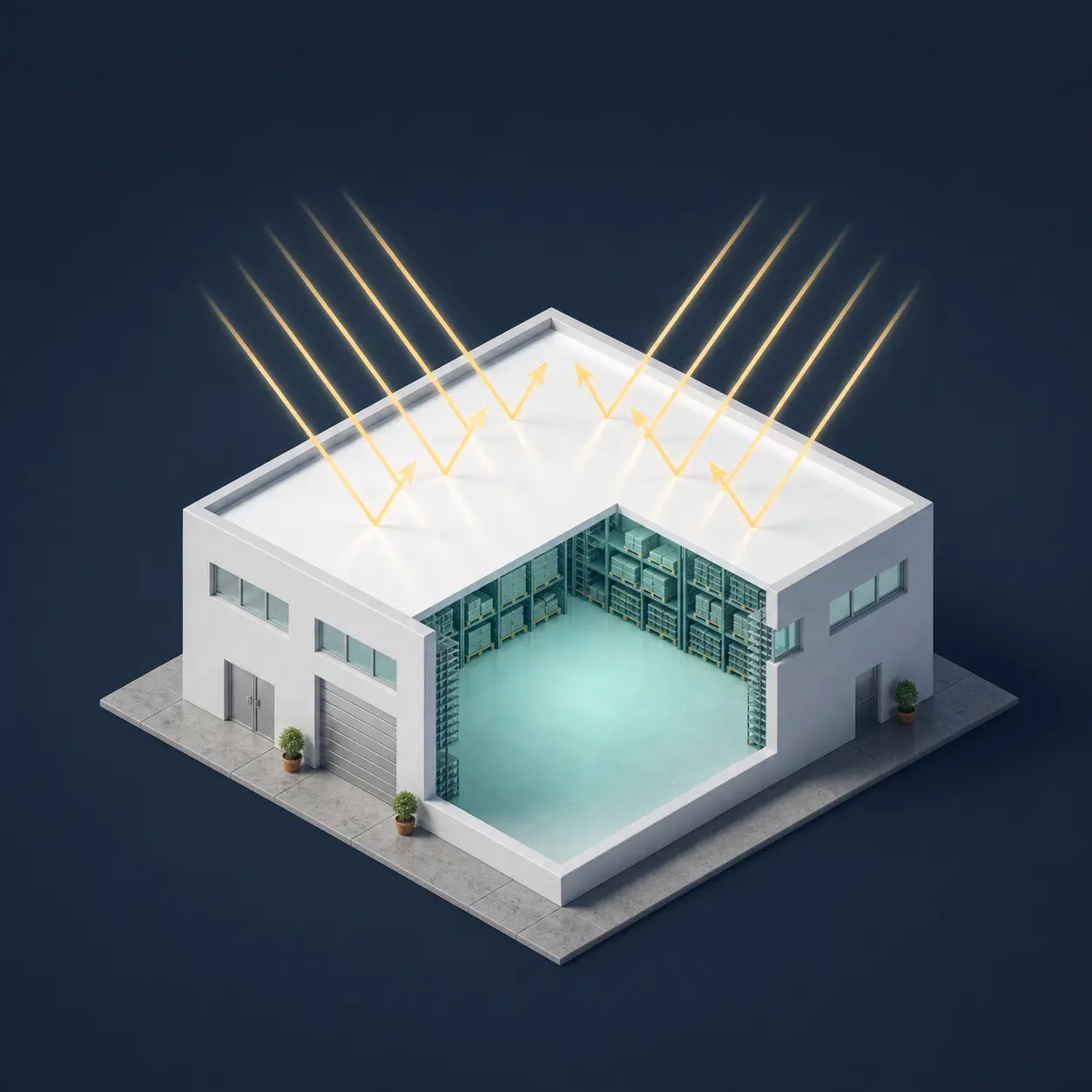
A dark roof absorbs radiation and exceeds 70-80°C at the surface. The Covalba cool roof coating sends back up to 94% of solar radiation: the roof heats up less and transmits less heat into the building.
The real question: how much does a coating cost if you have to redo it after 2 to 5 years?
Durability
On a roof of several thousand m², the price per m² isn't enough: you have to count service life, retained reflectivity and the risk of redoing it too soon.
Low cost to apply
Price per m²
~€15
Service life
2-5 years
Over 10 years
€25-30
Performance built to last
Price per m²
€20-22
Service life
8-10 years
Over 10 years
€20-22
Polyurethane systems with an anti-UV finishing topcoat are designed to keep their performance 8 to 20 years while protecting the roof.
Industrial buildings are not eligible for the French CEE BAT-EN-112 subsidy (reserved for commercial tertiary buildings), but other schemes exist depending on your activity.
Regions
renovation and decarbonation grants depending on your region
ADEME
schemes linked to industrial energy efficiency
€20-22/m²
vs €80 to €150/m² to redo the waterproofing
ROI < 2 yrs
on air-conditioned or process-cooling sites
Available levers depend on your activity, your ICPE classification and your region. Covalba helps you identify them before quoting.
Cool roof acts on the main source of heat: the roof. The benefits show from the first summer.
From the first summer
-7 to -10°C
under your roof
The roof heats up less, even under strong solar exposure.
Refrigeration and ventilation equipment is less heavily loaded.
More stable working conditions on the shop floor in summer.
The coating protects the substrate from UV and delays replacement.
A passive solution to cut the site's thermal load and footprint.
Beyond comfort, here is how cool roof adapts to each type of site.
Production, food industry, chemicals, storage or metallurgy: thermal control is critical for comfort, production and energy.
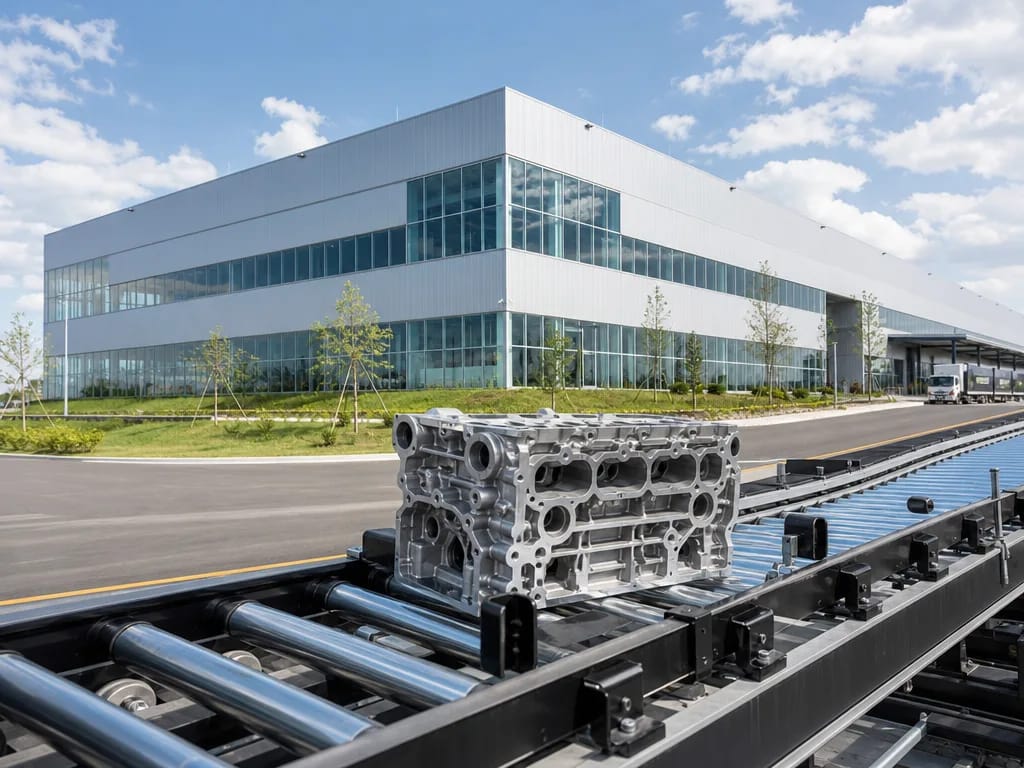
Control heat in production areas and protect output rates.
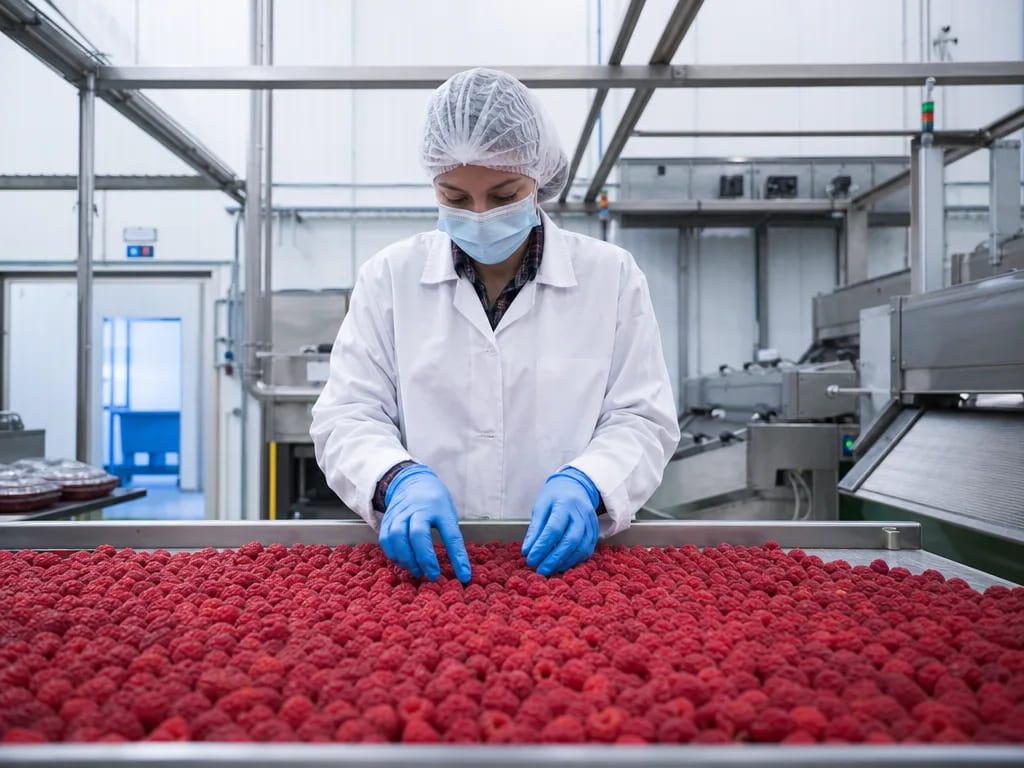
Relieve refrigeration equipment and stabilise ambient conditions.
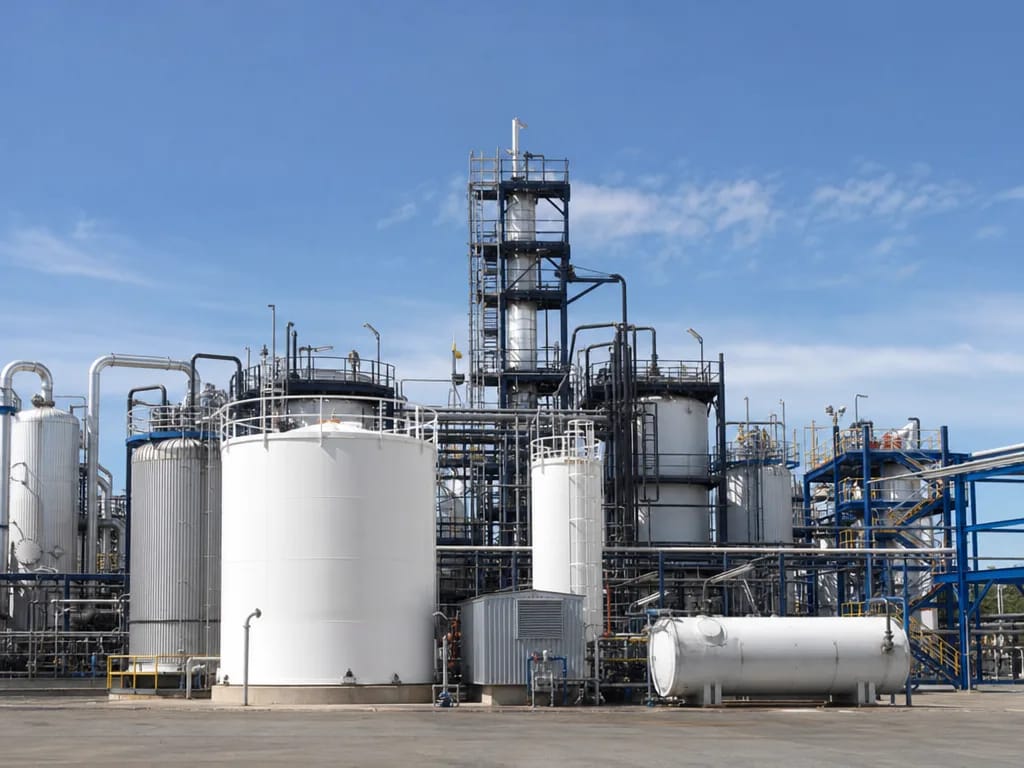
Limit the thermal load on sensitive processes.
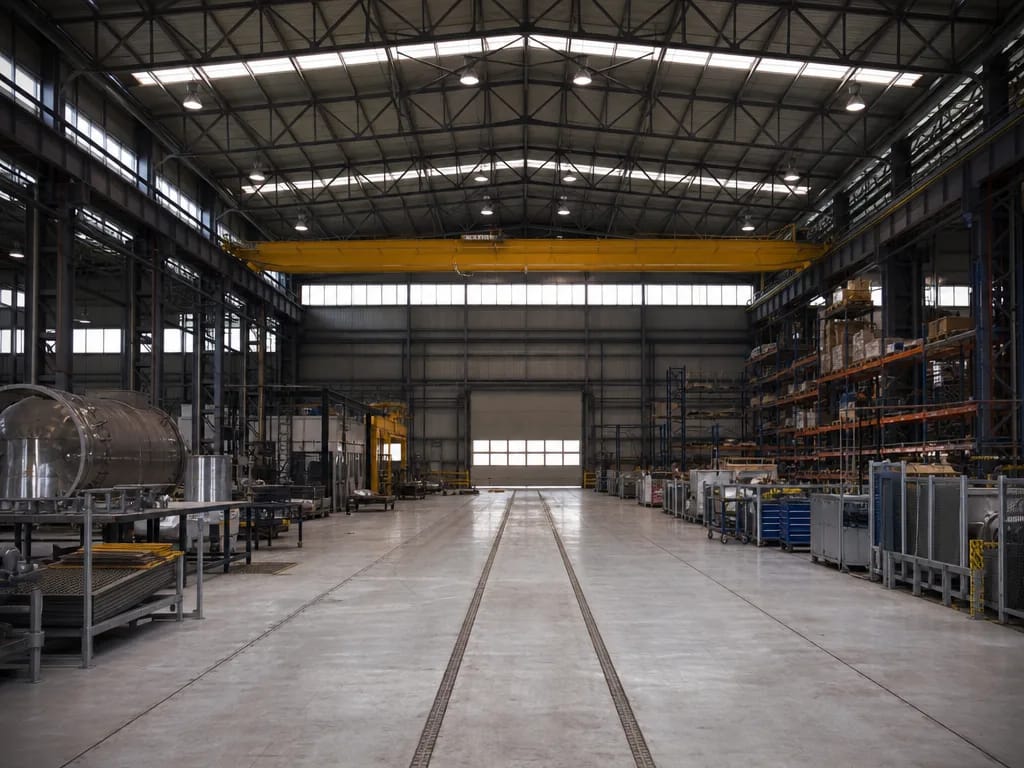
Reduce the heating of large volumes.
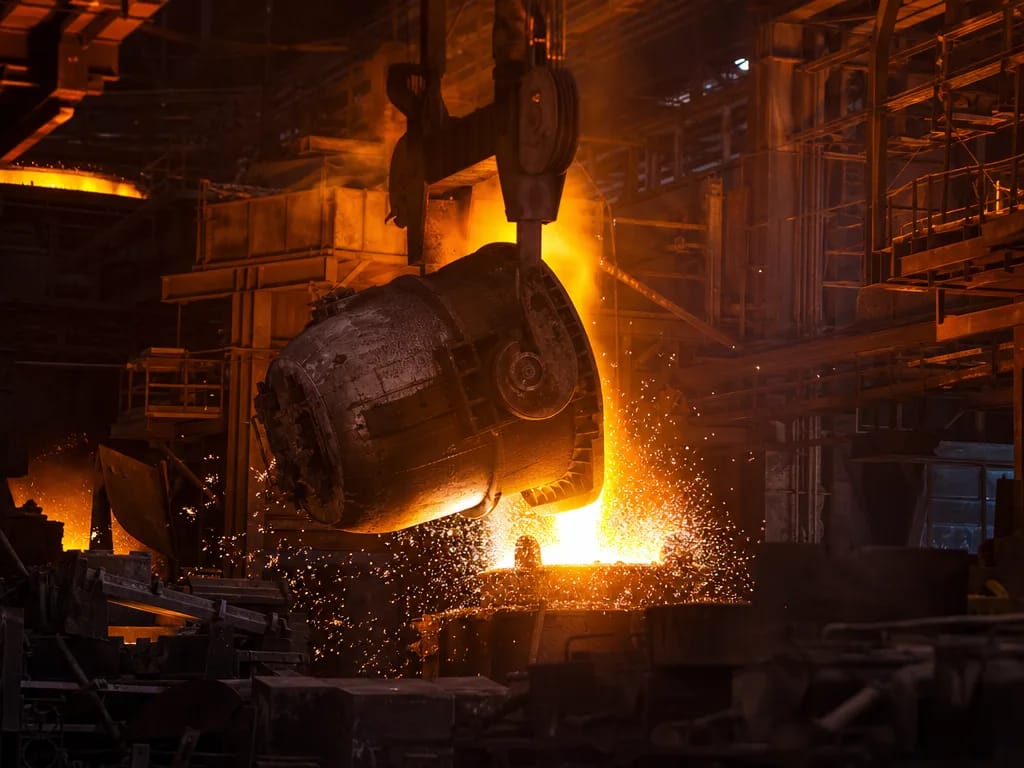
Avoid adding roof heat to already hot processes.
The next question: how to intervene without disrupting operations?
A safe site
Everything happens from the outside, machines at the foot of the building, with no load on the roof and no disruption to production or certifications.
Assessment of the roof, substrate condition, access and your thermal goals.
High-pressure cleaning, securing and preparing the substrate to ensure adhesion.
Continuous spray application of the coating, from the outside, with site-adapted logistics.
Verification of application quality and ongoing support over time.
Average duration: 3 to 5 days · No activity downtime
Surface temperature readings, equipped industrial sites and operator feedback. Proof from the roof, not from the pitch.
-7 to -10°C
on the roof surface temperature
up to -40%
on cooling needs
8-20 yrs
of coating service life




Before launching your project, here are the most common questions.
The questions most often raised by industrial site managers.
Another question? Let's talkRequest your cool roof quote and discover the savings potential of your industrial building. Free technical study.
Industry dossier
In industry, summer heat weighs on productivity, on the energy bill of air-conditioned or refrigerated sites, and on the lifespan of the waterproofing.
A large flat roof, often bituminous or dark steel deck, absorbs most of the radiation and exceeds 80°C at the surface before transmitting that heat to the workshops, where machine heat adds up.
A reflective roof combines high solar reflectance and high emissivity: it sends back the radiation received and releases residual heat instead of storing it. A passive cooling documented by public laboratories.
A non-air-conditioned workshop can exceed 40°C under the roof during heatwaves. By lowering the temperature by 7 to 10°C, cool roof restores acceptable working conditions, with no major works.
When a site is air-conditioned or has process cooling, an overheated roof makes the units run in overdrive. Cool roof reduces the load on refrigeration equipment, up to 40% savings depending on the setup.
By protecting the substrate from UV and thermal shocks, the coating extends the life of the waterproofing. Redoing waterproofing costs €80 to €150/m²; a cool roof is around €20-22/m².
Low-end acrylic solutions lose their reflectivity in 2 to 5 years. Covalba polyurethane systems last 8 to 20 years while keeping their performance.
Sources

