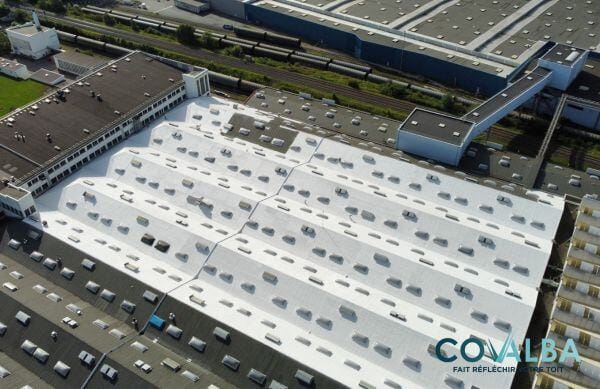
Industrie
Usine d'embouteillage (confidentiel), France
Installation du revêtement réflectif CovaSeal 20 sur l'étanchéité bitumineuse.
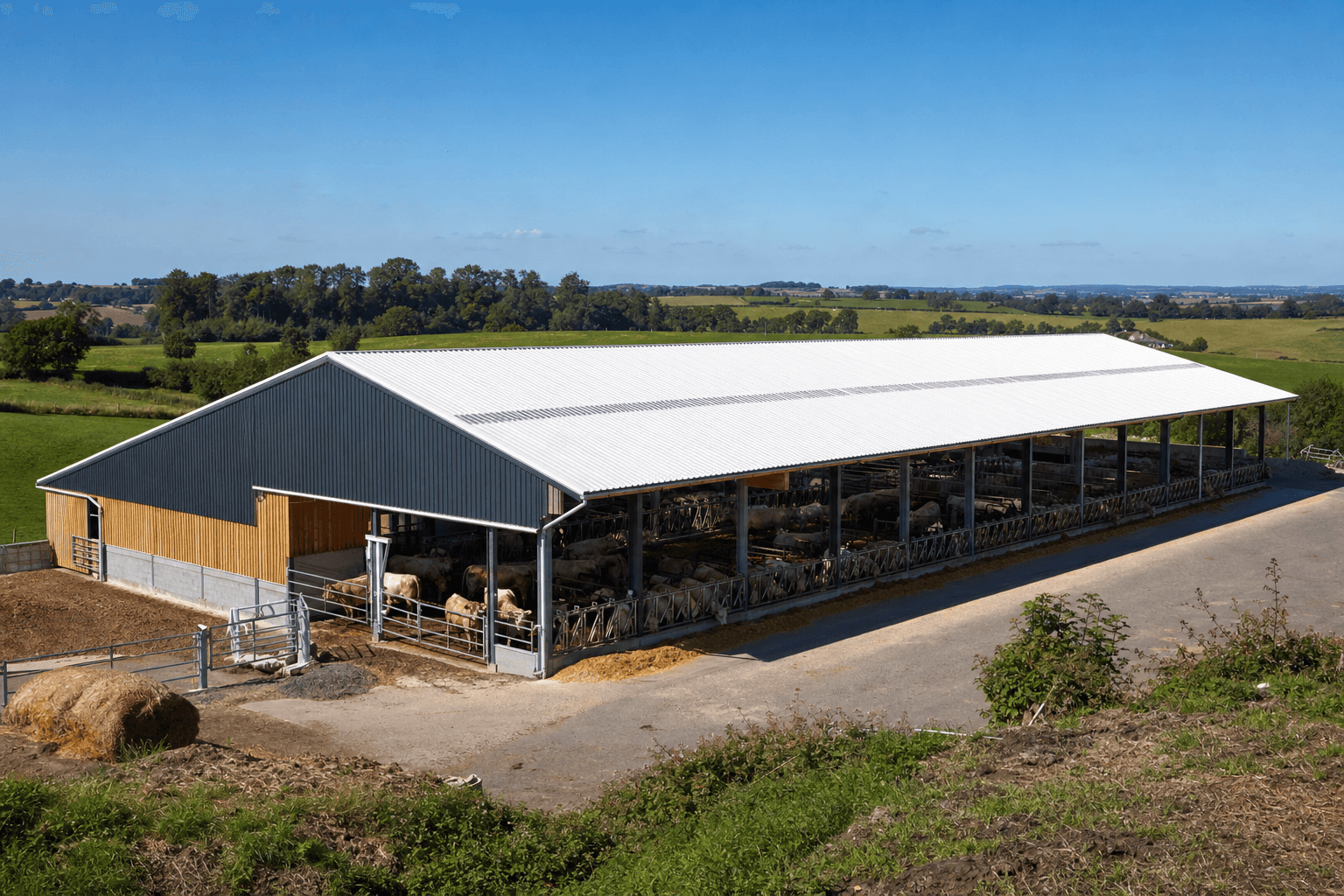
Reflective roof coating for farms
Keep your animals and your crops cool all summer, no air conditioning needed.
-8 to -10°C
under the roof
Animal welfare
production preserved
-94% radiation
reflected by the roof
Ils économisent déjà avec Covalba












Why act
Heat stress lowers production, harms animal welfare and weakens crops stored under highly exposed roofs.
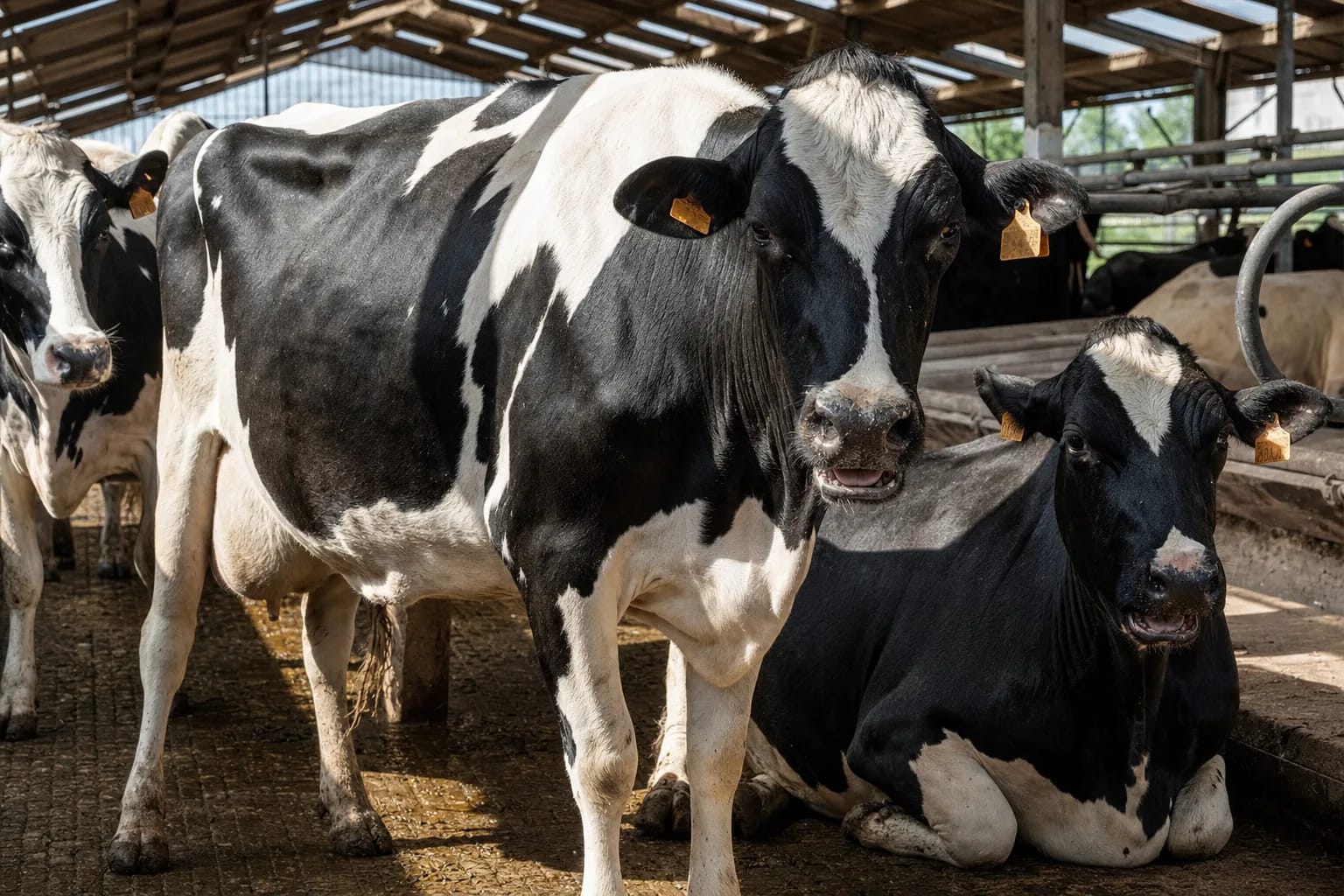
Heat stress reduces milk and egg output and slows growth during periods of intense heat.
In cattle, stress begins at just 22°C: fertility, health and mortality become critical issues.
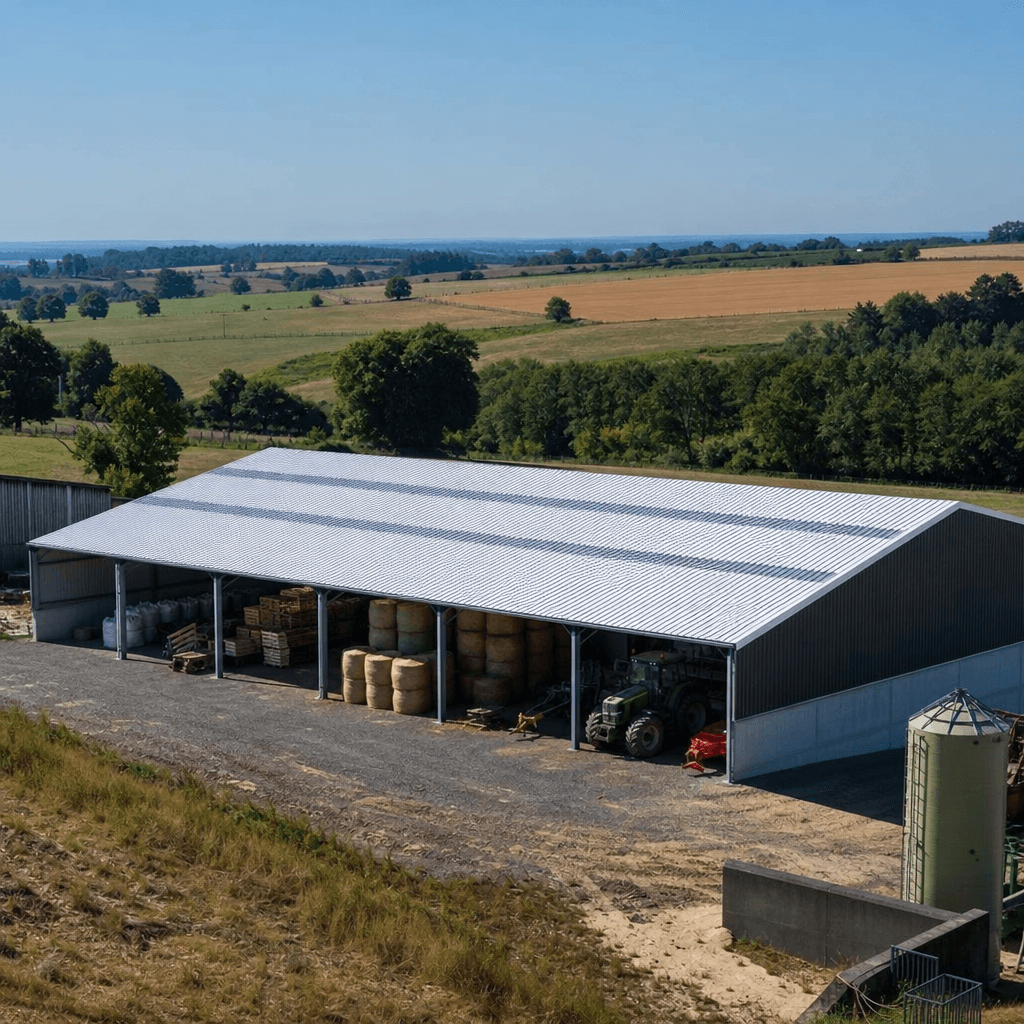
Grain, fodder and feed stored under an overheated roof lose quality and store less well.
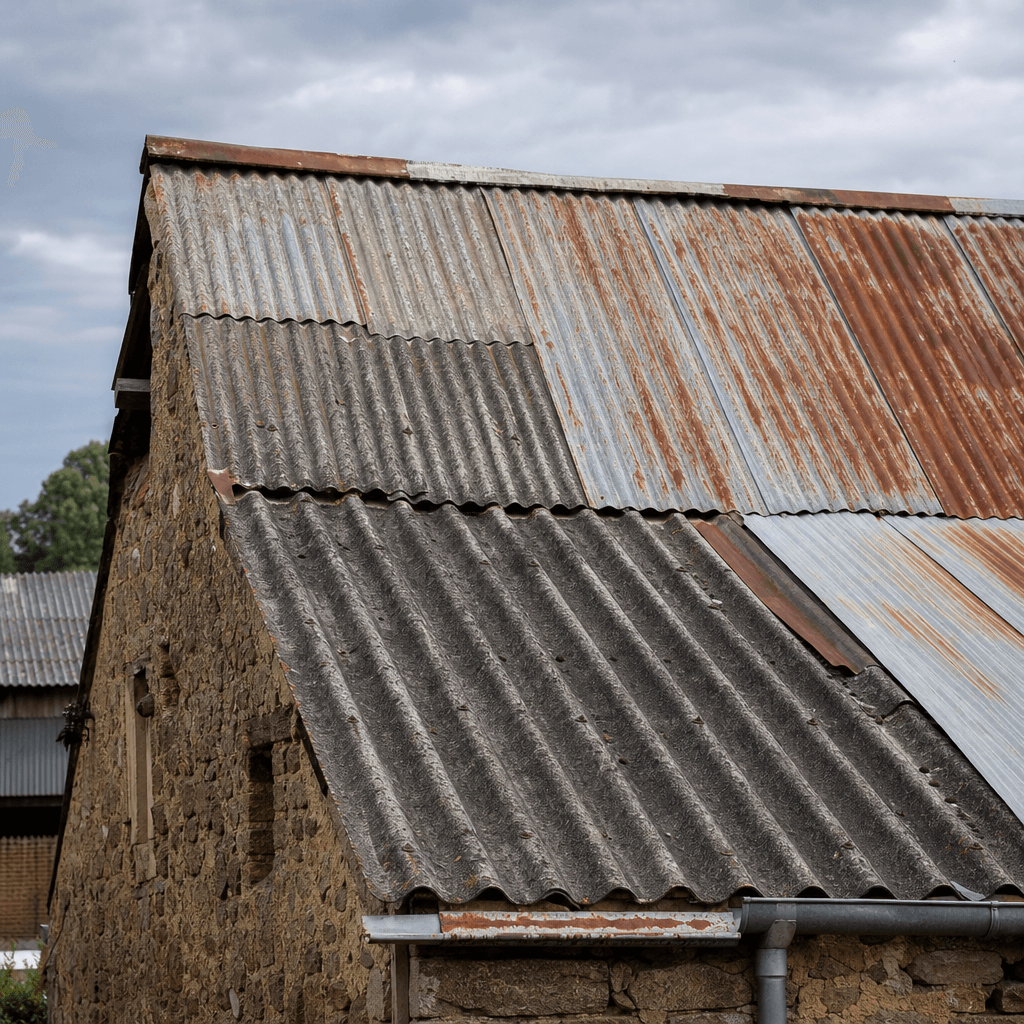
Rusted steel deck or old fiber cement, sometimes with asbestos: a full tear-off runs up the bill fast.
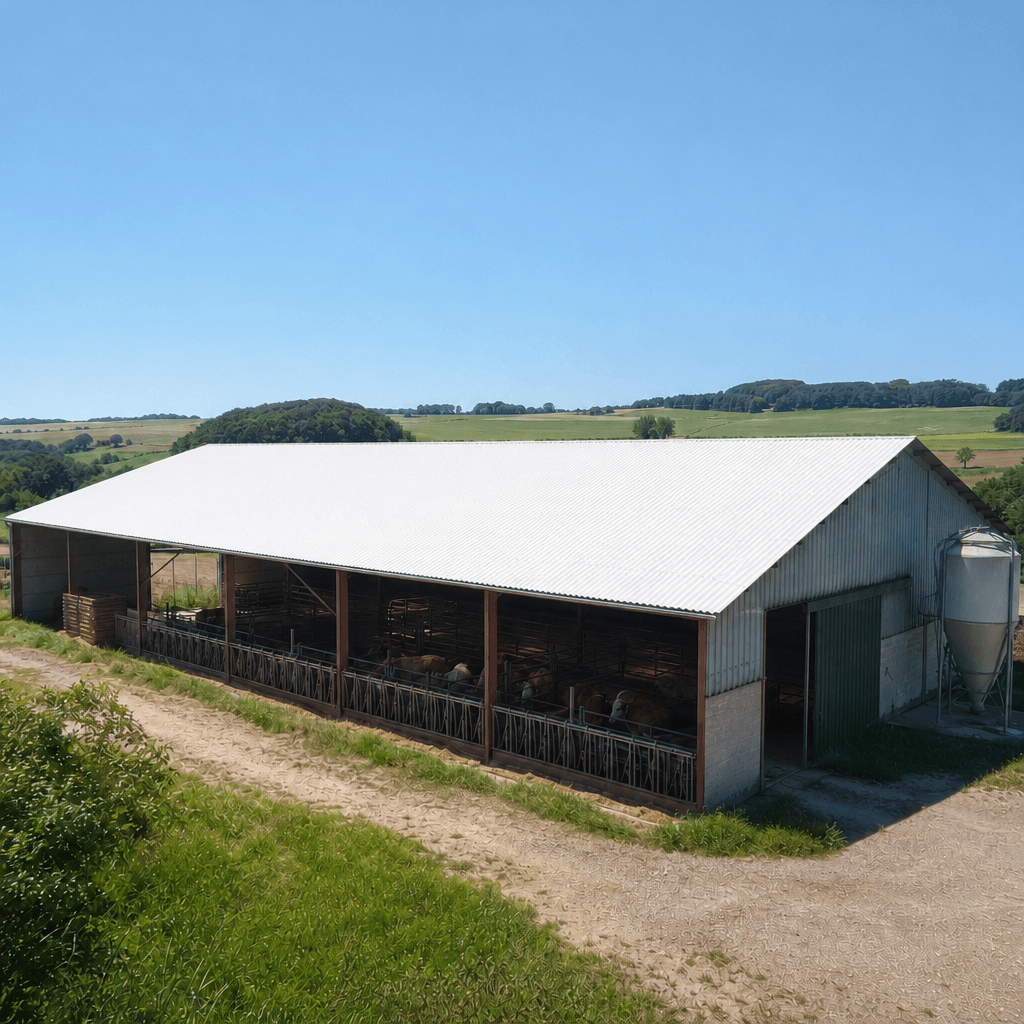
The Covalba solution
The Covalba reflective coating bounces back up to 94% of the sun. The roof stops heating up, and the air inside the building drops by 8 to 10°C.
Durability
A coating that quickly loses its reflectivity becomes a recurring maintenance burden. Covalba systems are designed to last several summers.
| Standard acrylic coating | Covalba polyurethane system | |
|---|---|---|
| Low cost to apply | Performance designed for farm operations | |
| Price per m² | ~€15 | €20-22 |
| Service life | 2-5 years | 8-10 years |
| Over 10 years | €25-30 | €20-22 |
| Reflectivity drops quickly | Durable polyurethane resin | |
| Chalking and yellowing | Anti-UV finishing varnish | |
| More frequent reapplication | Reflectivity retained longer |
Price per m²
Service life
Over 10 years
-
-
-
Polyurethane systems with a protective topcoat are designed to maintain their performance for 8 to 10 years while protecting the roof.
Lasting performance
Large farm roofs are the main entry point for summer heat. By acting at the source, a reflective coating protects production, the herd and the structure season after season.
Covalba helps you size the right system for the surface and condition of your roofs.
What you gain
The coating works on the main source of heat: the roof. You feel it from the very first summer in the temperature inside the building.
-8 to -10°C
under your roof
From the first summer
Less heat stress to sustain milk, egg and meat production.
A more temperate environment preserves the herd's health, fertility and comfort.
Stored grain, fodder and feed are less affected by excessive heat.
The coating blocks corrosion and protects fiber cement sheets.
Farmers and their teams work in a less demanding environment.
Here is how the reflective coating fits each kind of building.
Your buildings
Cattle, poultry, pigs, storage and cooperatives do not face the same heat challenges.
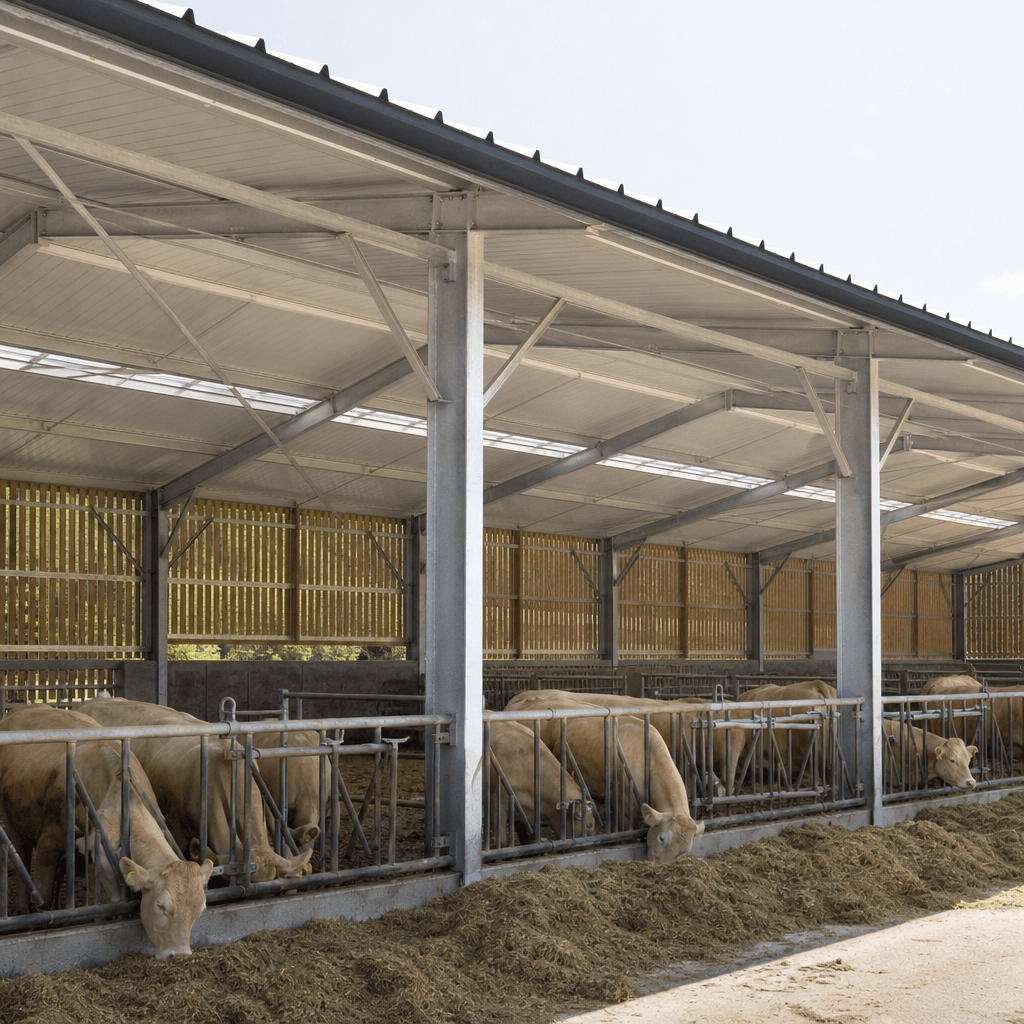
Cattle housing and free-stall barns where thermal comfort determines milk production.
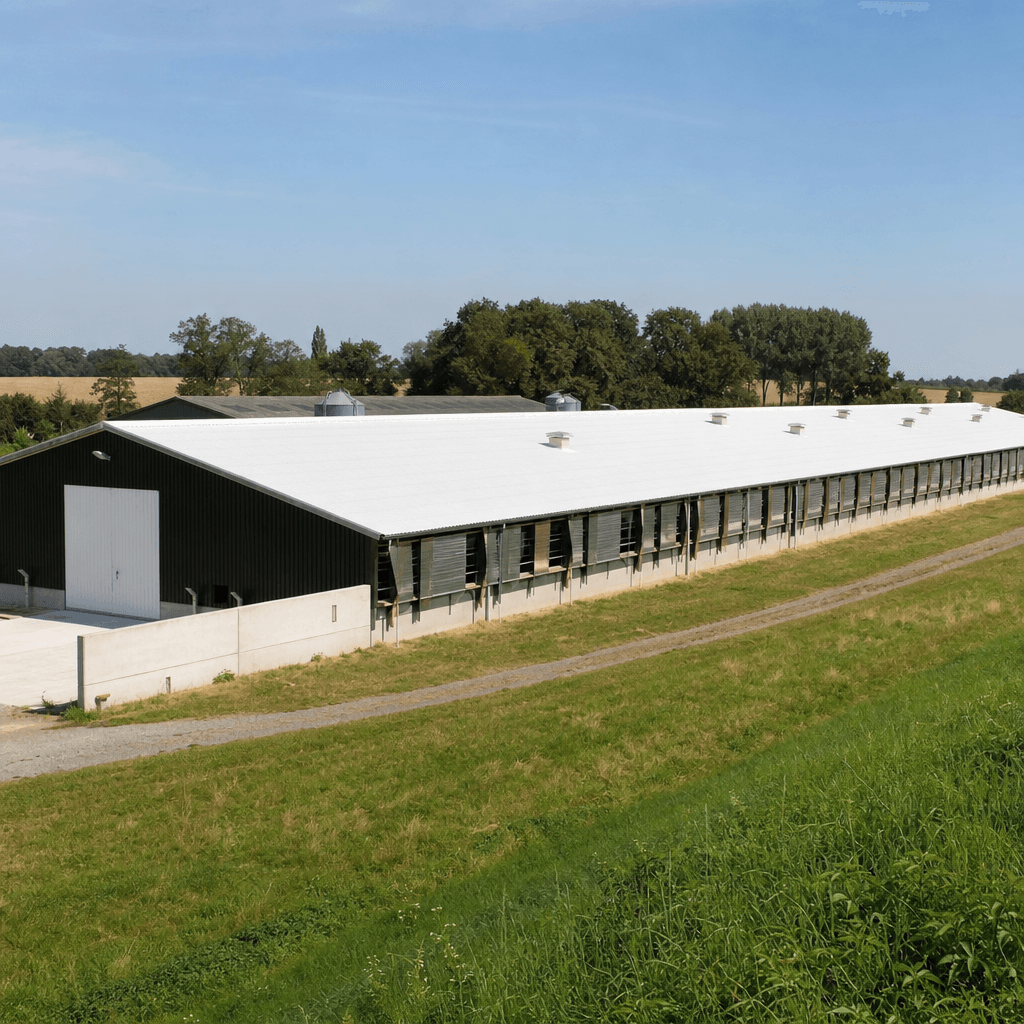
Broiler and layer houses highly sensitive to heat waves.
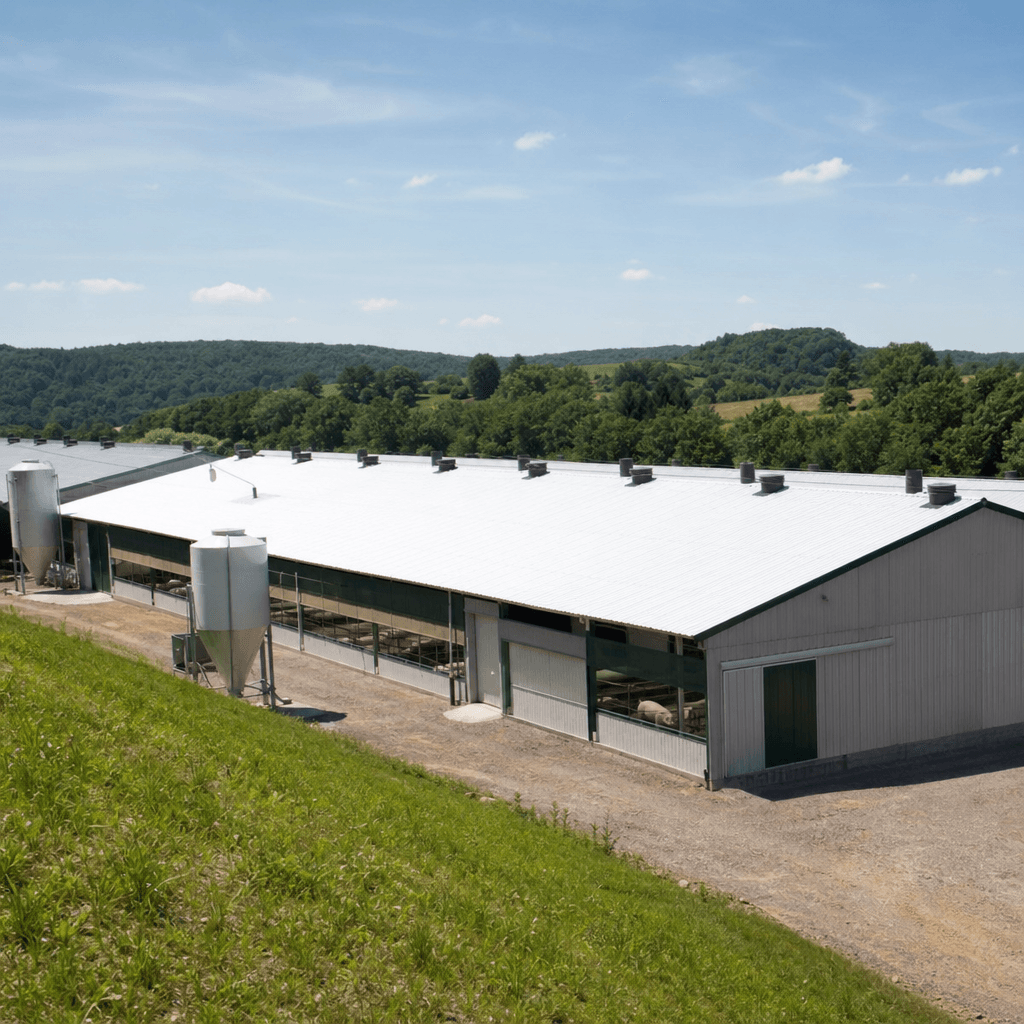
Pig housing where heat regulation affects growth and welfare.
Sheds for grain, hay and feed where heat degrades preservation.
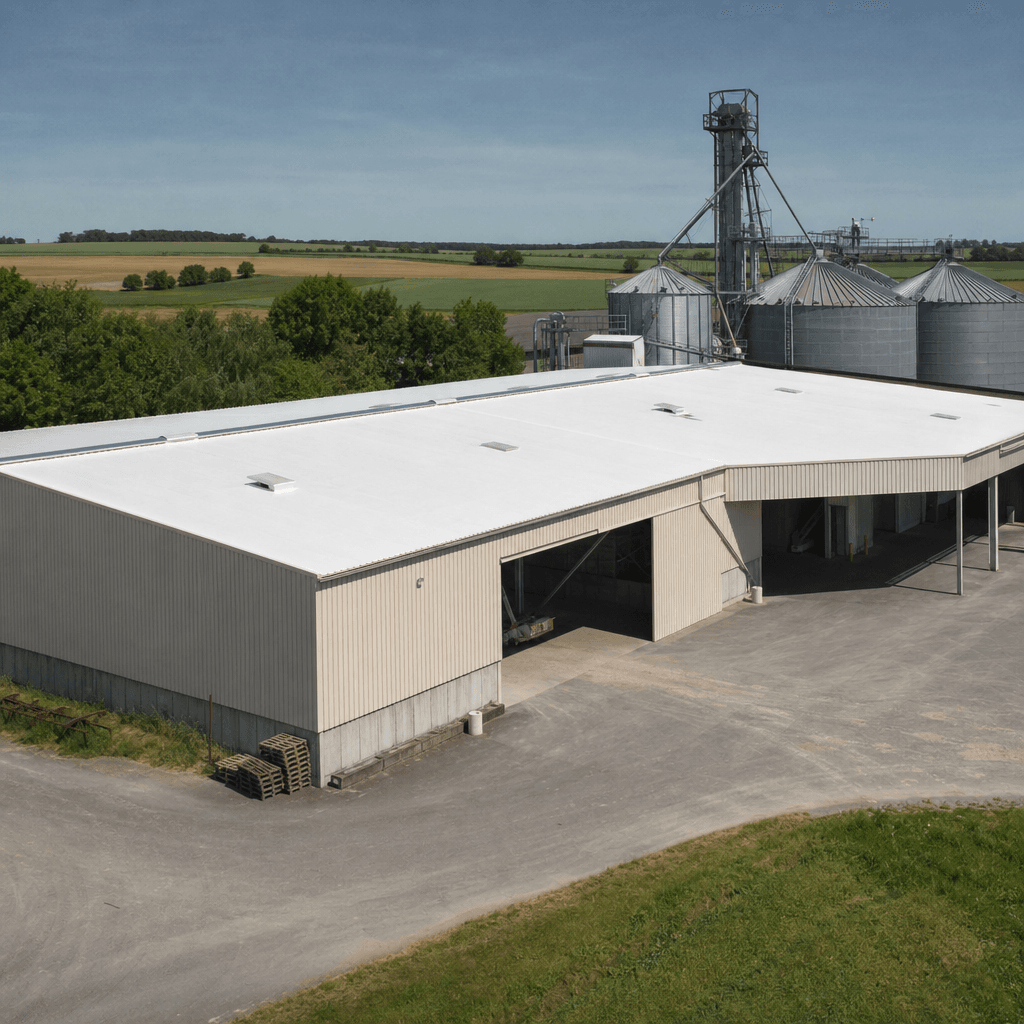
Large technical roofs heavily exposed to the sun.
A safe installation
Your contractor applies the coating entirely from the outside, with machines at the base of the building, without lifting any load onto the roof or disrupting the livestock.
Voir la vidéoRoof condition, type of substrate, animal-comfort objectives.
Suitable cleaning and treatment of sensitive points.
Your contractor sprays the coating from the outside, without disturbing the animals or operations.
Quality verification and monitoring over time.
Average duration: 3 to 5 days · No interruption to operations
Concrete results
Field figures are being consolidated from the available agricultural references.
-7.5°C
on the surface temperature
Production
better preserved during hot periods
8-10 years
of coating durability
Installation du revêtement réflectif CovaSeal 20 sur l'étanchéité bitumineuse.
Installation de la peinture réflective CovaTherm 8 sur l'étanchéité bitumineuse.
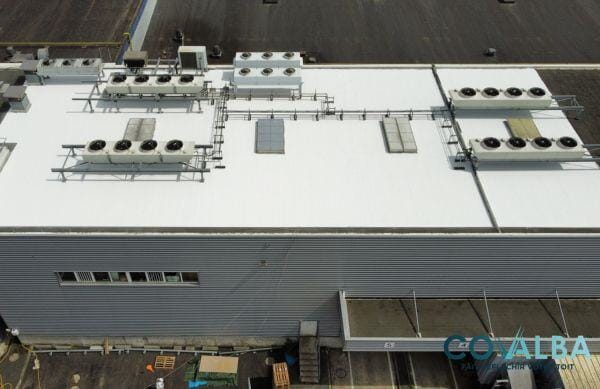
Installation du revêtement CovaSeal sur l'étanchéité bitumineuse.
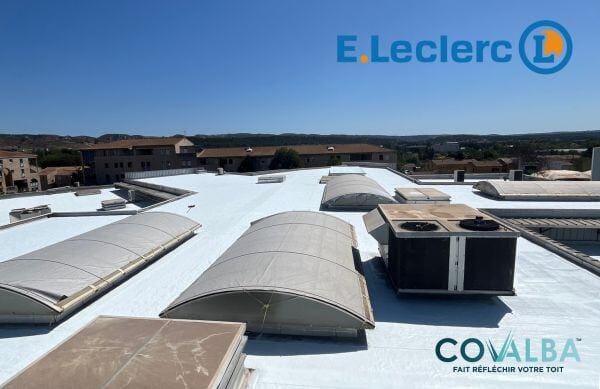
Installation du revêtement réflectif CovaSeal 20 sur l'étanchéité bitumineuse.
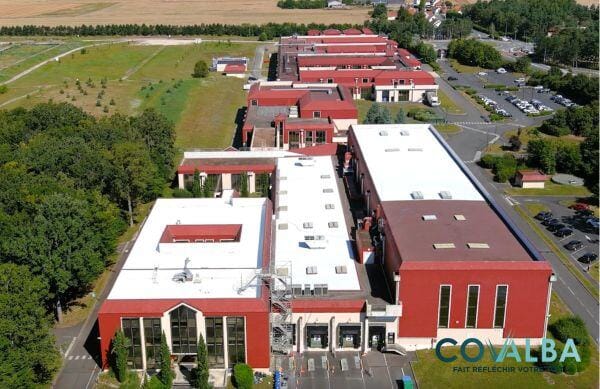
Installation de la peinture réflective CovaTherm SRI=119 sur l'étanchéité bitumineuse.
Voir le cas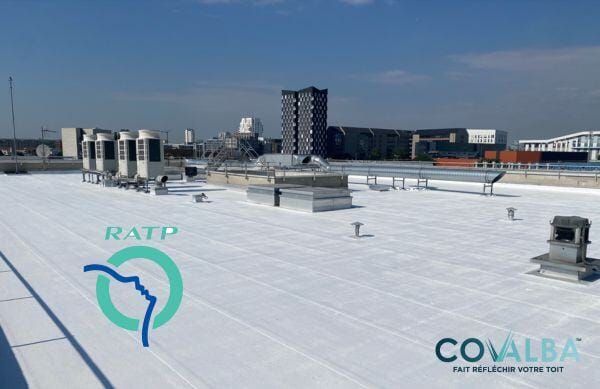
Installation de la peinture réflective CovaTherm SRI=119 sur l'étanchéité bitumineuse.
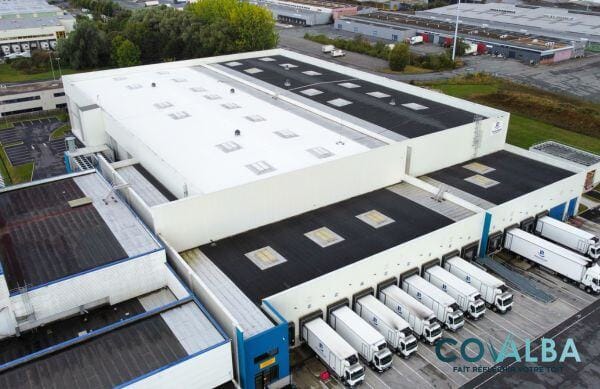
Installation de la peinture réflective CovaTherm SRI=119 sur l'étanchéité bitumineuse.
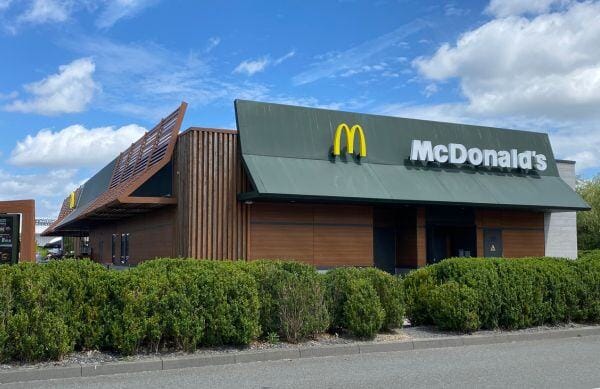
Installation de la peinture réflective CovaTherm SRI=119 sur l'étanchéité bitumineuse.
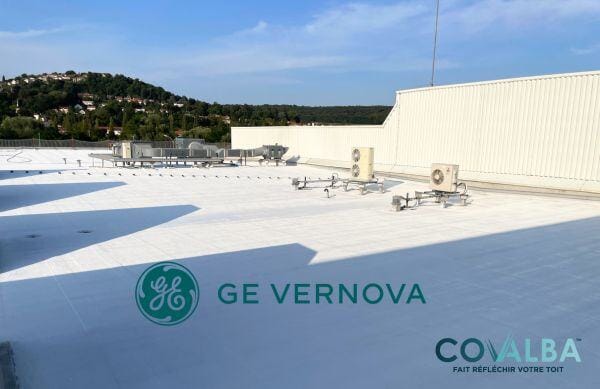
Installation du revêtement réflectif CovaSeal 20 sur l'étanchéité bitumineuse.
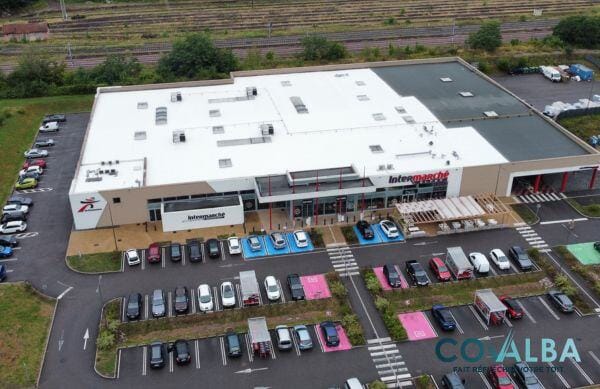
Installation de la peinture réflective CovaTherm SRI=119 sur l'étanchéité bitumineuse.
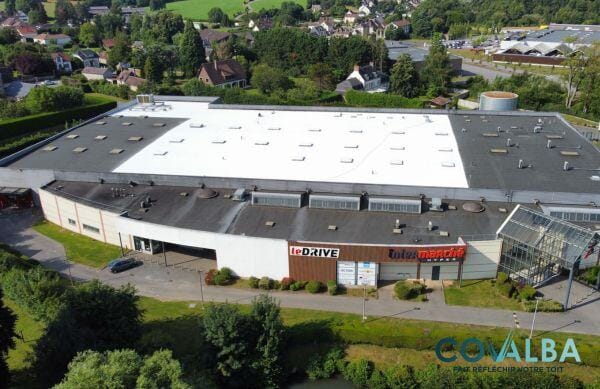
Installation de la peinture réflective CovaTherm SRI=119 sur l'étanchéité bitumineuse.
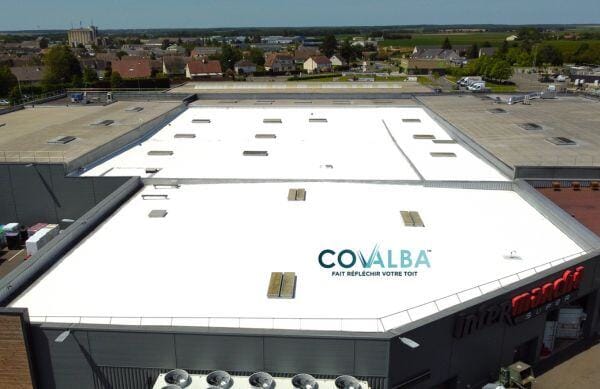
Installation de la peinture réflective CovaTherm SRI=119 sur l'étanchéité bitumineuse.
Voir le cas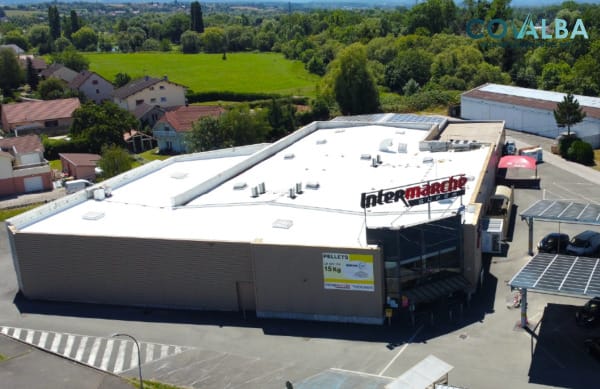
Installation de la peinture réflective CovaTherm SRI=119 sur l'étanchéité bitumineuse.
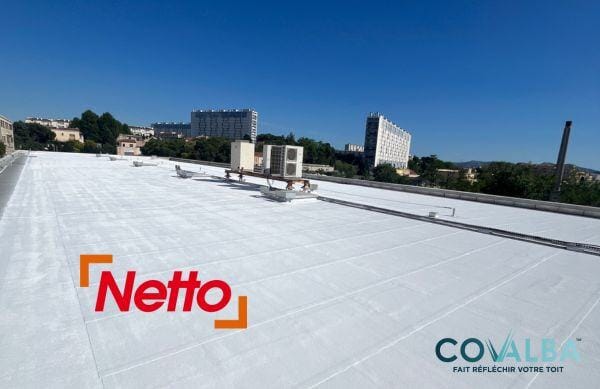
Installation de la peinture réflective CovaTherm 20 sur les toitures bac acier.
Installation de la peinture réflective CovaTherm SRI=119 sur la toiture zinc.
Voir le cas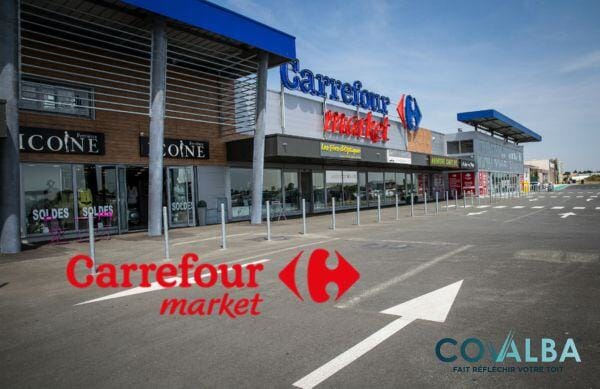
Installation de la peinture réflective CovaTherm 8 sur l'étanchéité bitumineuse.
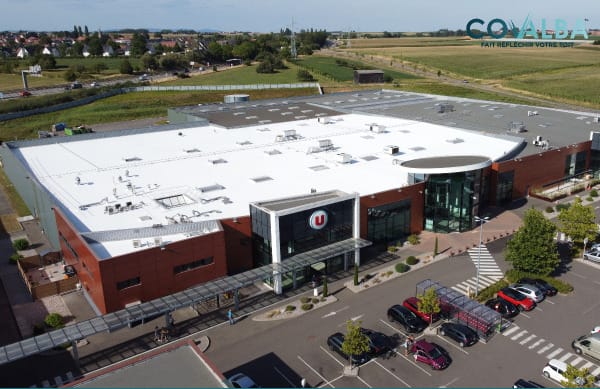
Installation de la peinture réflective CovaTherm SRI=119 sur l'étanchéité bitumineuse.
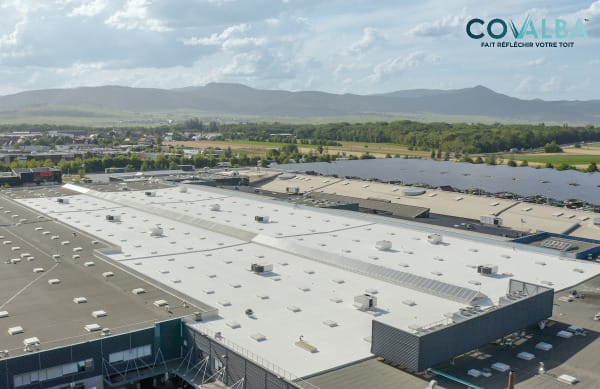
Installation de la peinture réflective CovaTherm SRI=119 sur l'étanchéité bitumineuse.
Voir le cas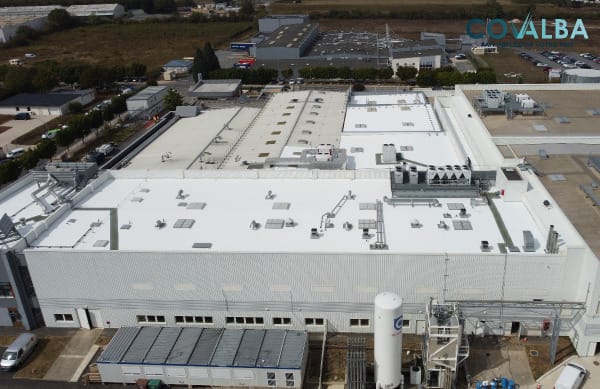
Installation de la peinture réflective CovaTherm SRI=119 sur l'étanchéité bitumineuse.
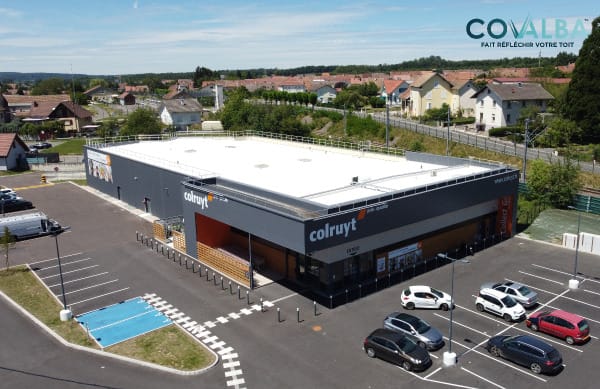
Installation de la peinture réflective CovaTherm SRI=119 sur l'étanchéité bitumineuse.
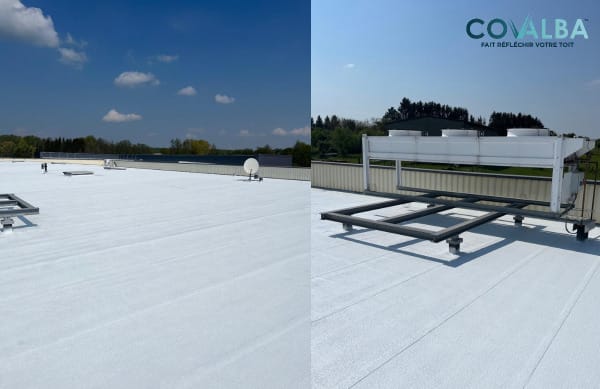
Installation de la peinture réflective CovaTherm 118 sur l'étanchéité bitumineuse.
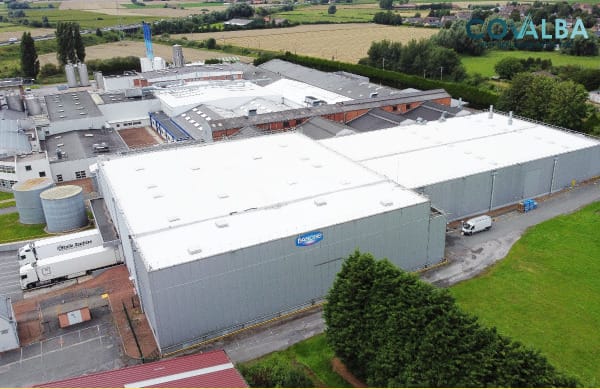
Installation de la peinture réflective CovaTherm SRI=119 sur l'étanchéité bitumineuse. Laquage solaire des lanterneaux.
Voir le cas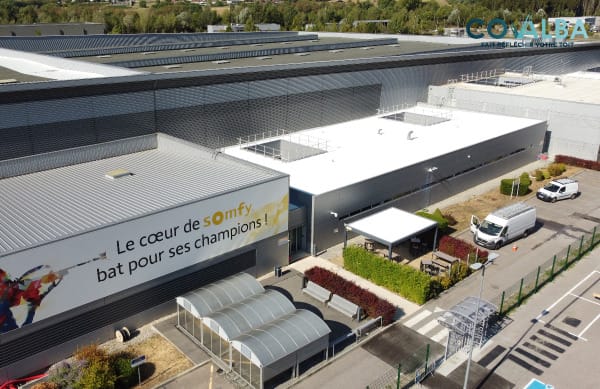
Installation de la peinture réflective CovaTherm SRI=119 sur l'étanchéité bitumineuse.
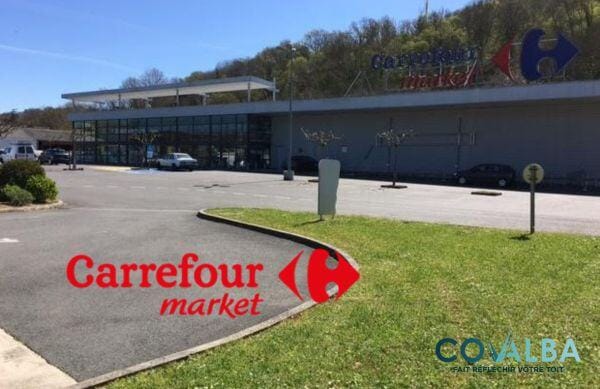
Installation du revêtement réflectif CovaTherm 20 sur l'étanchéité bitumineuse.
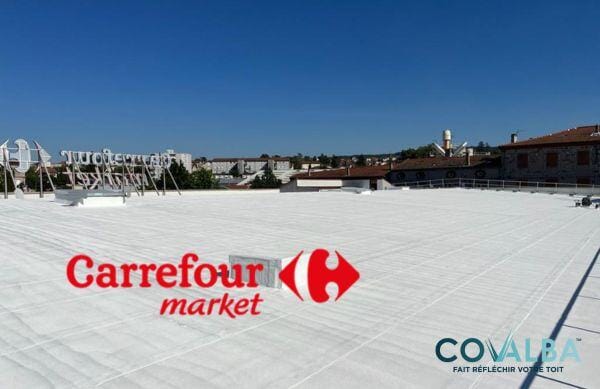
Installation du revêtement réflectif CovaTherm 20 sur l'étanchéité bitumineuse.
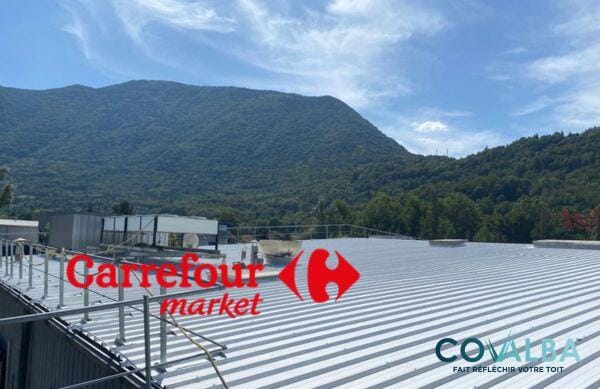
Installation du revêtement réflectif CovaTherm 20 sur l'étanchéité bitumineuse.
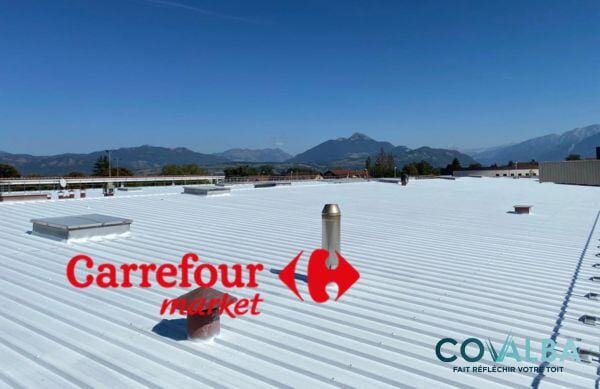
Installation du revêtement réflectif CovaTherm 20 sur l'étanchéité bitumineuse.
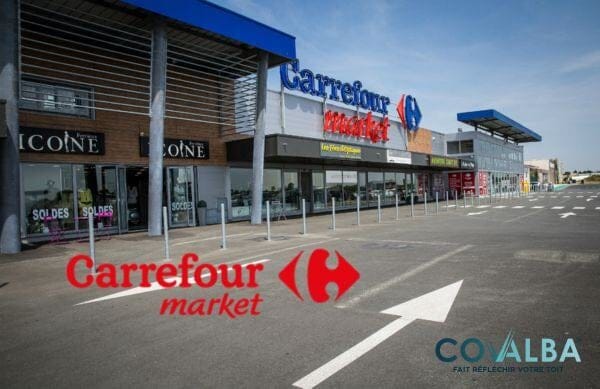
Installation du revêtement réflectif CovaTherm 20 sur l'étanchéité bitumineuse.
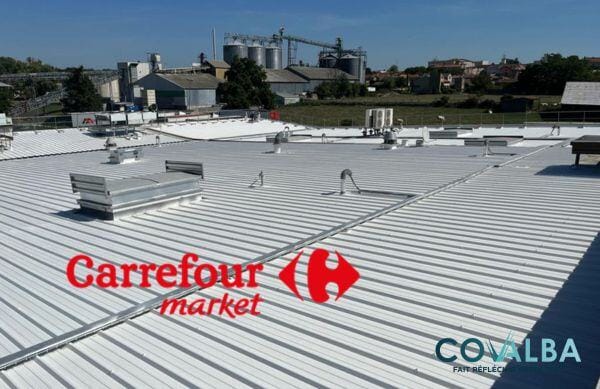
Installation du revêtement réflectif CovaTherm 20 sur l'étanchéité bitumineuse.
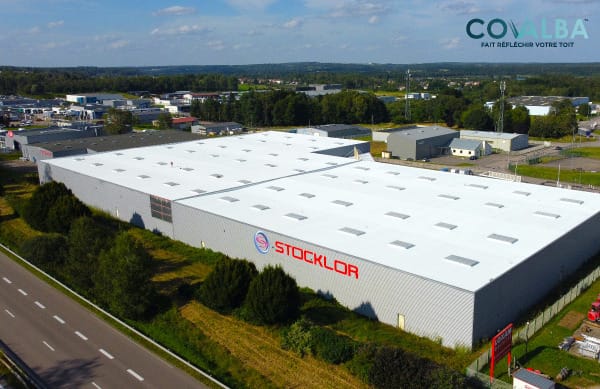
Installation de la peinture réflective CovaTherm SRI=119 sur l'étanchéité bitumineuse
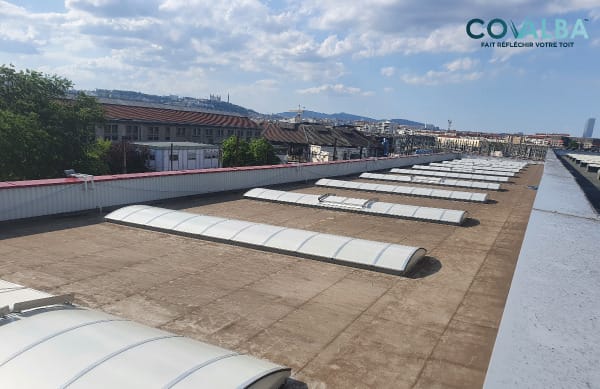
Laquage solaire des voûtes éclairantes d'un technicentre.
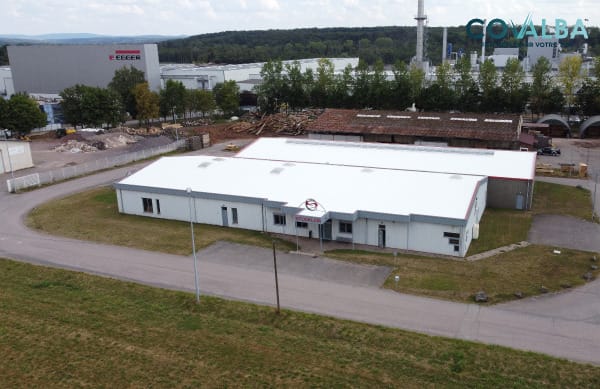
Installation de la peinture réflective CovaTherm SRI=119 sur l'étanchéité bitumineuse
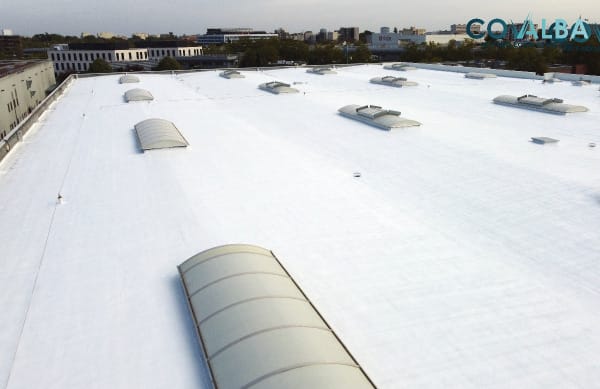
Installation de la peinture réflective CovaTherm SRI=119 sur l'étanchéité bitumineuse.
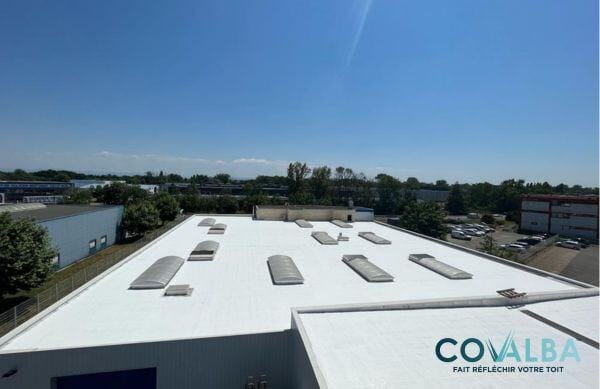
Installation de la peinture réflective CovaTherm SRI=119 sur l'étanchéité bitumineuse.
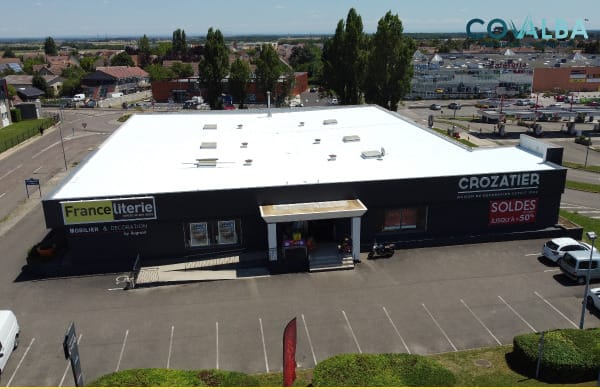
Installation de la peinture réflective CovaTherm SRI=119 sur l'étanchéité bitumineuse.
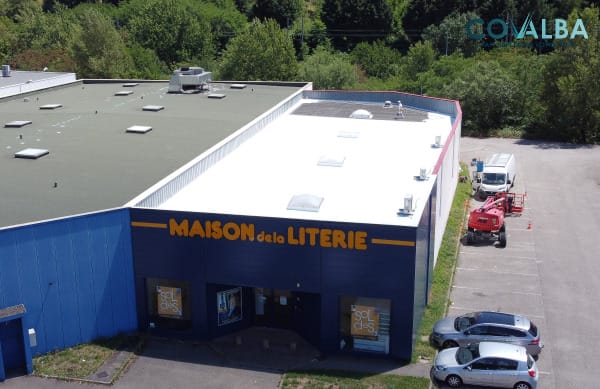
Installation de la peinture réflective CovaTherm SRI=119 sur l'étanchéité bitumineuse.
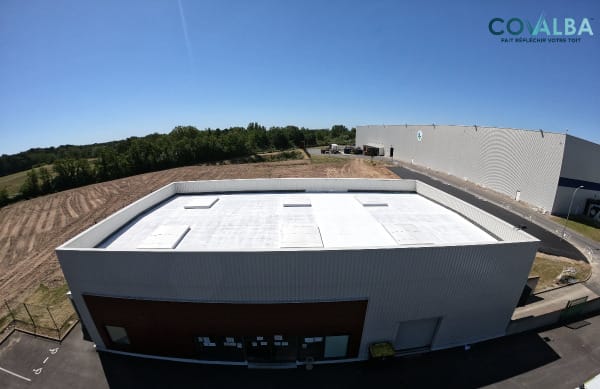
Installation de la peinture réflective CovaTherm SRI=119 sur l'étanchéité bitumineuse. Laquage solaire des voûtes éclairantes et lanterneaux.
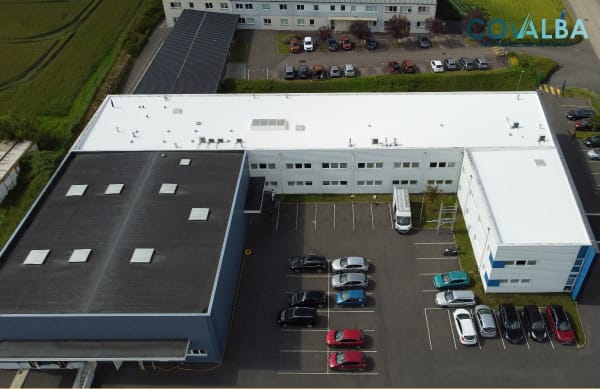
Installation de la peinture réflective CovaTherm SRI=119 sur l'étanchéité bitumineuse
Voir le cas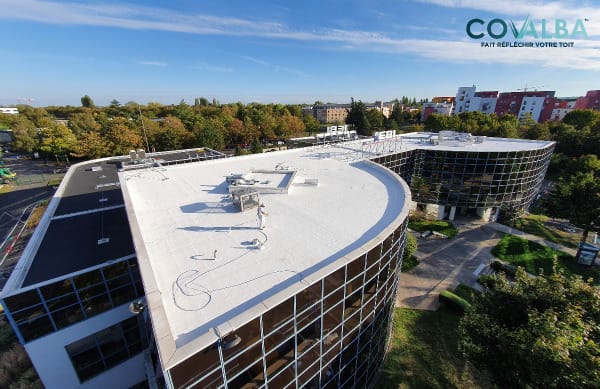
Installation de la peinture réflective CovaTherm SRI=119 sur l'étanchéité bitumineuse
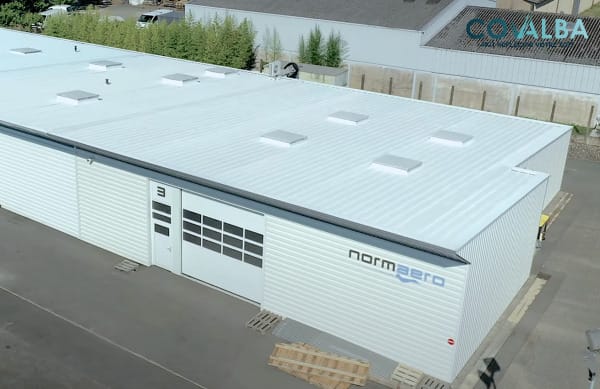
Installation de la peinture réflective CovaTherm SRI=119 sur une toiture bac acier.
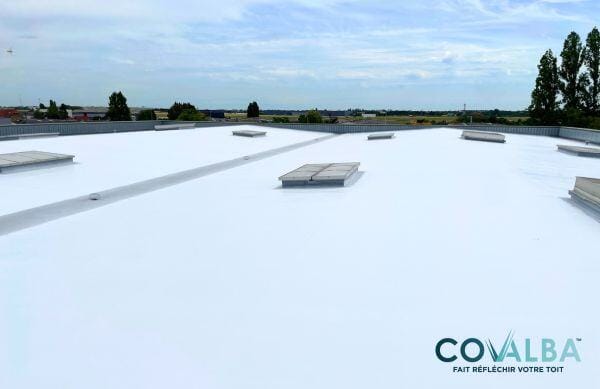
Installation du revêtement réflectif CovaSeal 20 sur l'étanchéité PVC.
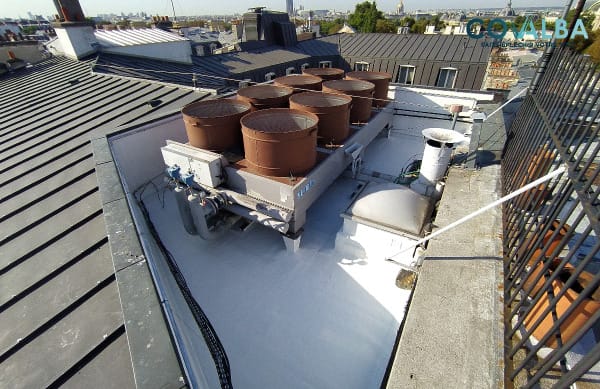
Installation de la peinture réfléchissante CovaTherm SRI=119 sur une étanchéité bitumineuse.
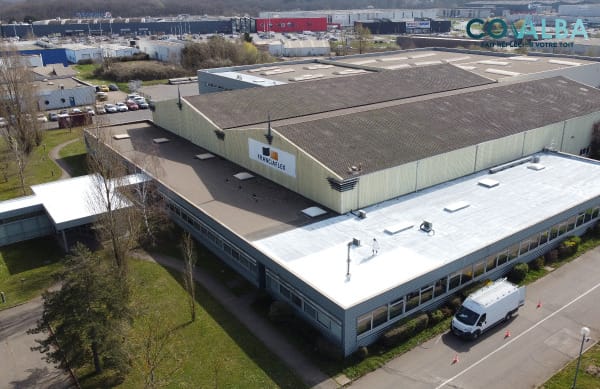
Installation de la peinture réflective CovaTherm SRI=119 sur l'étanchéité bitumineuse. Laquage solaire des voûtes éclairantes et lanterneaux.
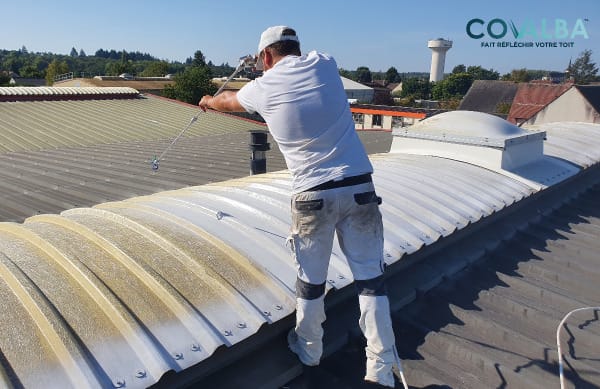
Laquage solaire des voûtes éclairantes.
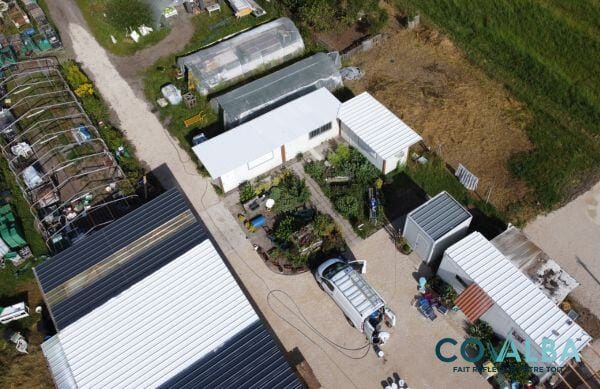
Installation de la peinture réflective CovaTherm 8 sur les toitures bac acier.
Ils économisent déjà avec Covalba
FAQ
The points that come up most often among livestock farmers and farm managers.
Request a quote and discover the potential of your buildings, for production, animal welfare and preservation.
On a farm, summer heat hits production, animal health and how well your harvest keeps.
Big steel deck or fiber cement roofs climb to very high temperatures and radiate down onto the animals or the stored harvest.
In cattle, poultry and pigs, heat drags down production, fertility, growth and health. A reflective coating cuts that heat load at the source.
Cattle housing, poultry houses, pig buildings, storage sheds and cooperatives all gain from a roof that soaks up less sun.
On steel deck, CovaMetal 20 takes on heat and corrosion at once. On old fiber cement, the coating protects and cools without a systematic tear-off.
Covalba polyurethane systems with a protective topcoat are designed to last 8 to 10 years and preserve the roof.