Industrie
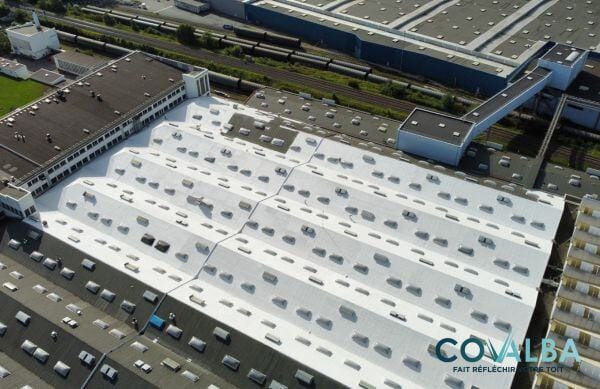
Usine d'embouteillage (confidentiel), France
Installation du revêtement réflectif CovaSeal 20 sur l'étanchéité bitumineuse.
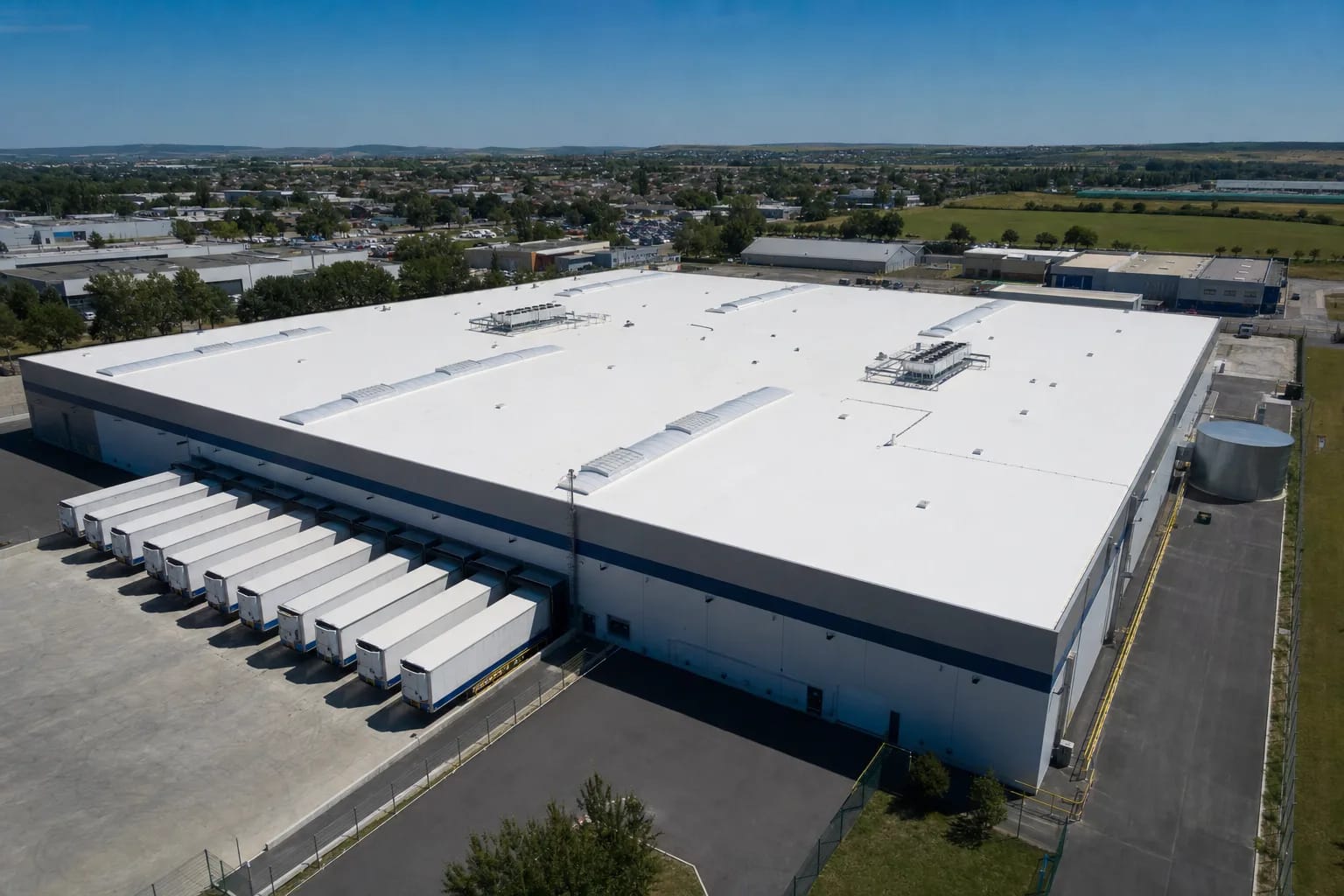
Cool roof for the food industry and cold storage
A reflective roof lightens your cooling bill in summer, without touching your production areas.
-8 to -10°C
under the roof in summer
up to -40%
on roof-related cooling
0 downtime
in production
Ils économisent déjà avec Covalba











Why act
On a food industry site, cooling runs all year round. In summer a dark roof heats up, and your refrigeration plant has to reject that heat on top of everything else.
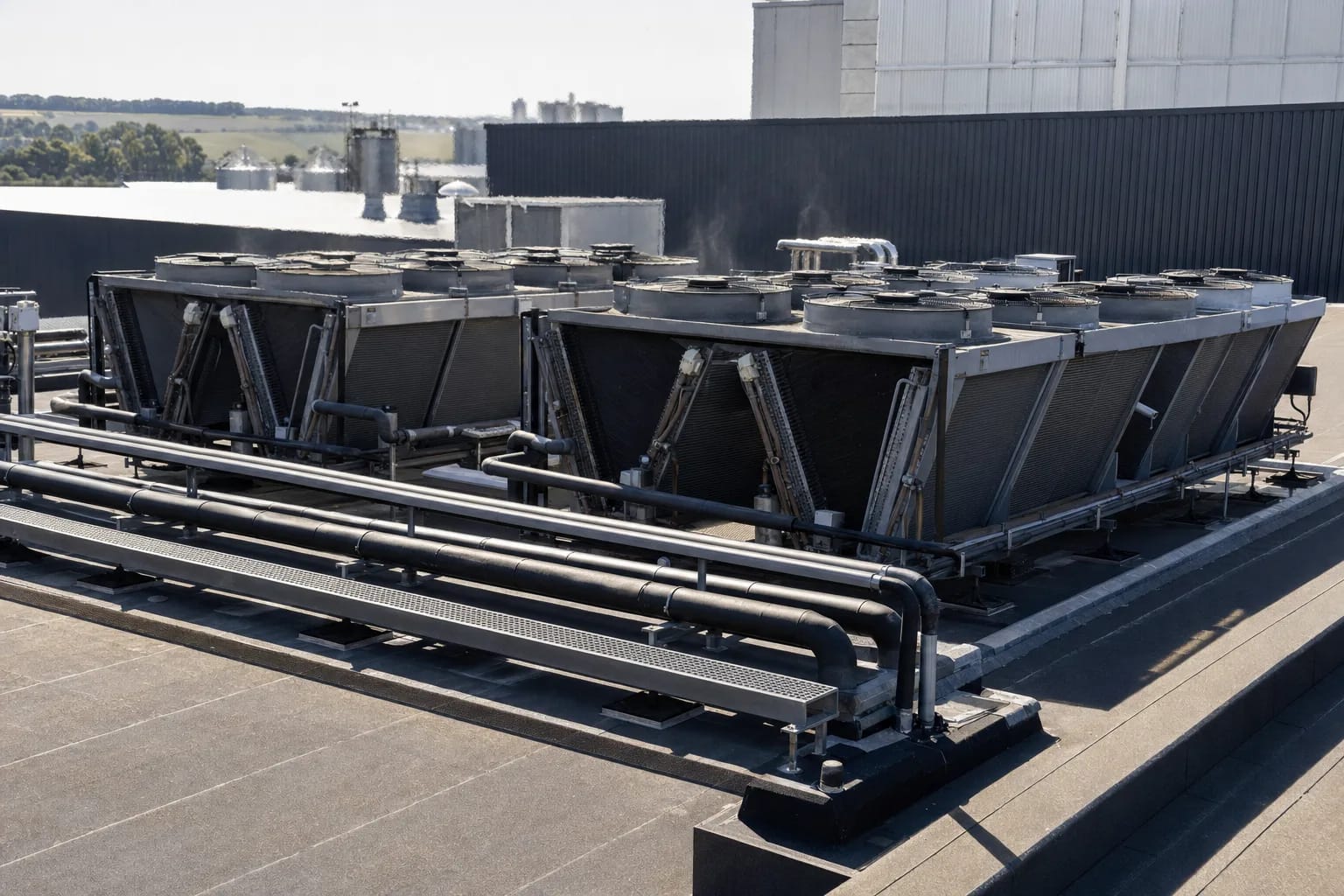
In summer your condensers run non-stop to reject the heat picked up by the roof.
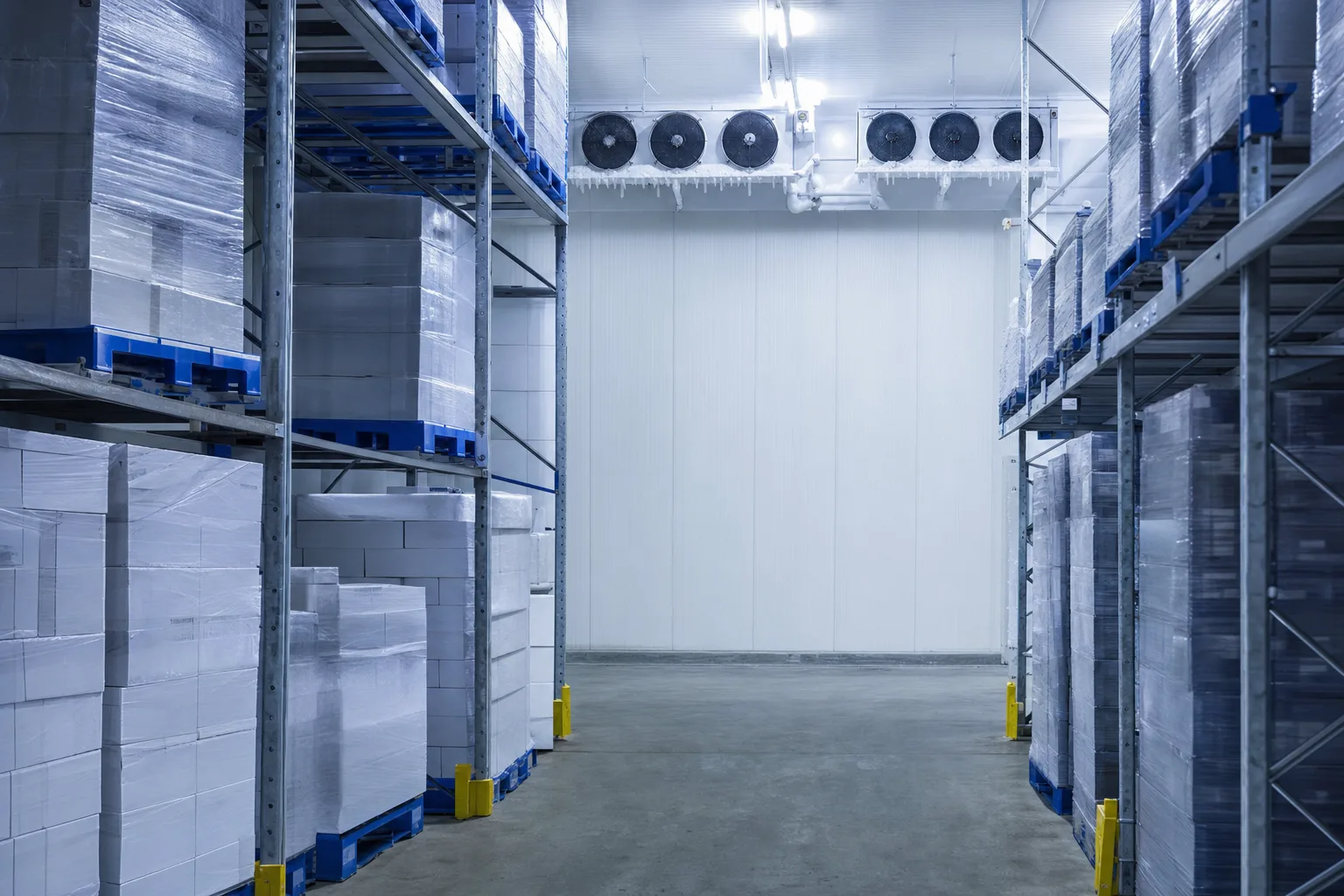
Cooling already weighs heavily on your electricity bill. Every heatwave shows up on the next month's statement.
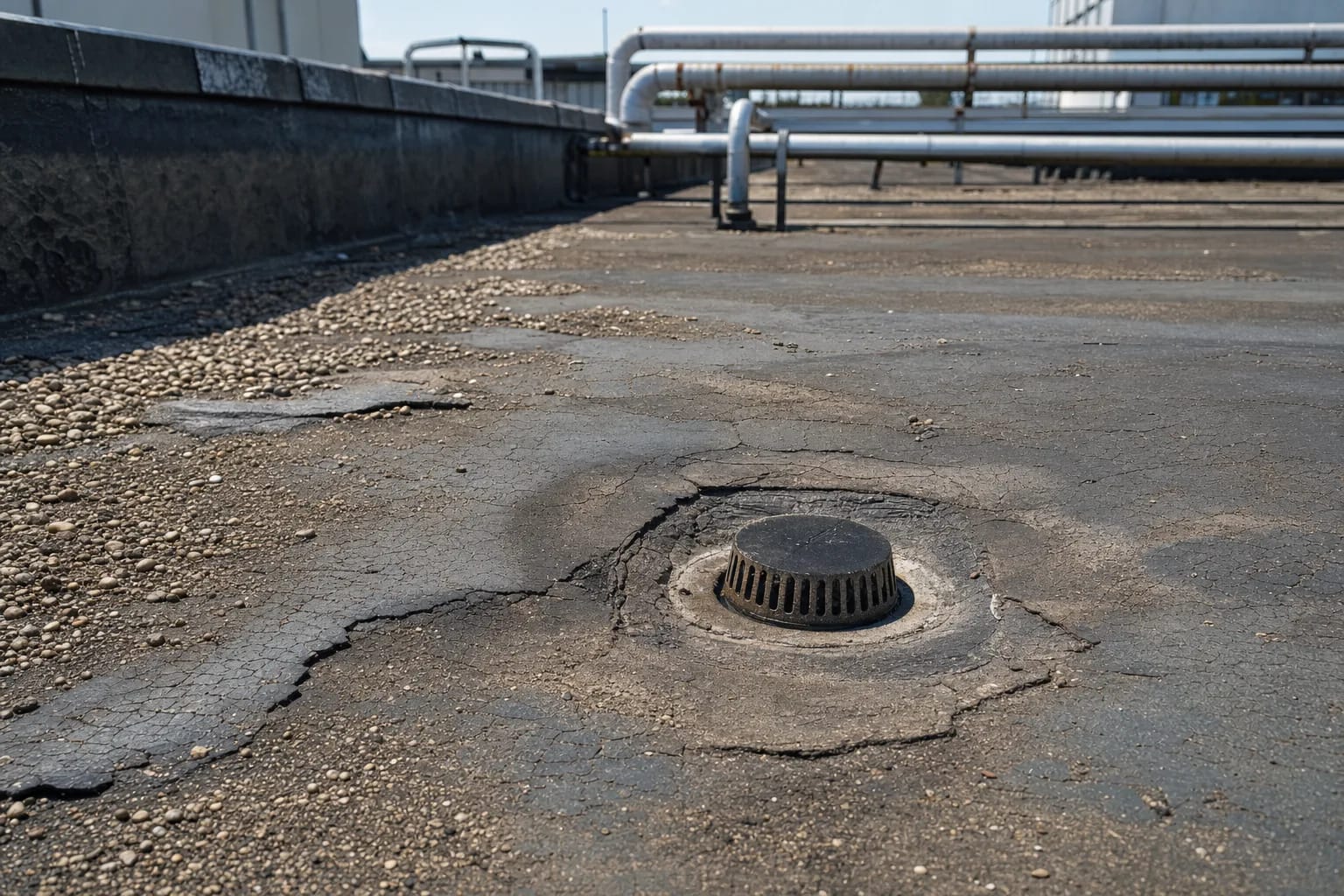
Under the sun, a bituminous membrane over 10 years old cracks. Replacing it costs €80 to €100/m².
The simplest lever sits on the roof.
The Covalba solution
The reflective coating sends solar radiation back instead of letting it heat the roof. Your refrigeration plant has less heat to reject, and your processes do not change.
That reflectivity still has to last over time.
Durability
On a site running cooling continuously, performance has to last. A standard acrylic coating loses its reflectivity within 2 to 5 years, and you have to go back up on the roof.
| Standard acrylic coating | Covalba polyurethane system | |
|---|---|---|
| Low install price | Stable performance, designed for sites running cooling continuously | |
| Price per m² | ~€15 | €20-22 |
| Service life | 2-5 years | 8-10 years |
| 10 years | €25-30 | €20-22 |
| Reflectivity drops fast | Durable polyurethane resin | |
| Chalking and yellowing | Anti-UV finishing topcoat | |
| More frequent reapplication | Reflectivity kept longer |
Price per m²
Service life
10 years
-
-
-
Polyurethane systems with an anti-UV finishing topcoat (CovaTherm) keep their reflectivity for 8 to 10 years, against 2 to 5 years for the acrylics on the market.
Funding
The French CEE energy saving certificate funds part of the works, and the cooling savings come back every summer. The price per m² stays far below that of a new membrane.
The gain depends on the surface area, the refrigeration plant and the climate zone. Covalba quantifies your case during the technical study and files the CEE application with you.
What you gain
The roof stays close to air temperature, even in full sun. Your refrigeration plant works less, from spring to autumn.
-8 to -10°C
under the roof in summer
From the first summer
Your condensers and central refrigeration plants receive less heat from the roof and cope better with peaks.
Up to -40% on the share of cooling linked to the roof, every summer.
Your cold rooms and workshops hold their setpoint more easily during heatwaves.
The coating protects the membrane from UV and pushes replacement back by 8 to 10 years.
Here is what that means for each type of site.
Your buildings
Cold stores, processing plants, cutting rooms, dairies, cold logistics platforms. Everywhere, the roof is the easiest source of heat to treat.
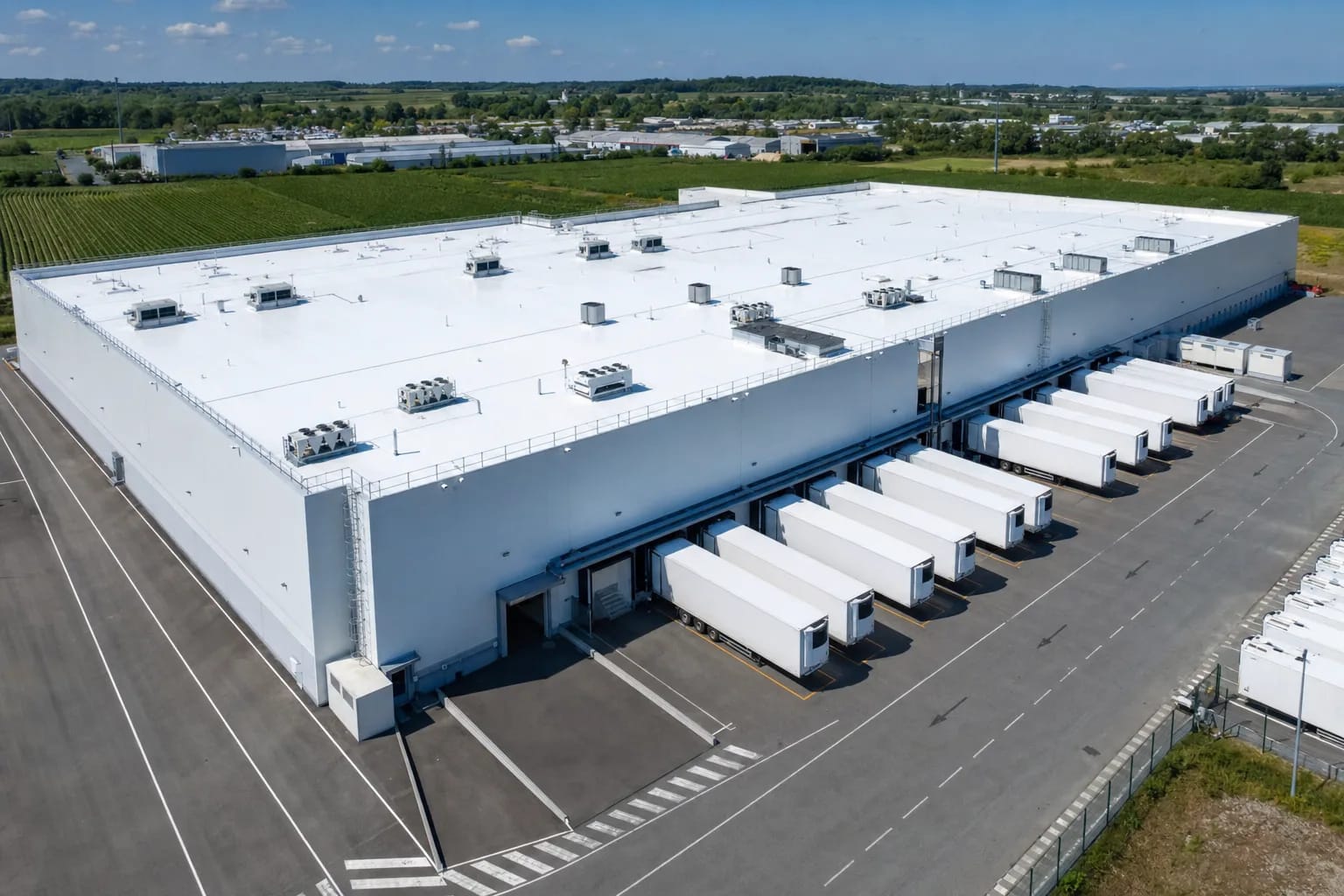
Cut the sun's heat on large roofs covering chilled and frozen rooms.
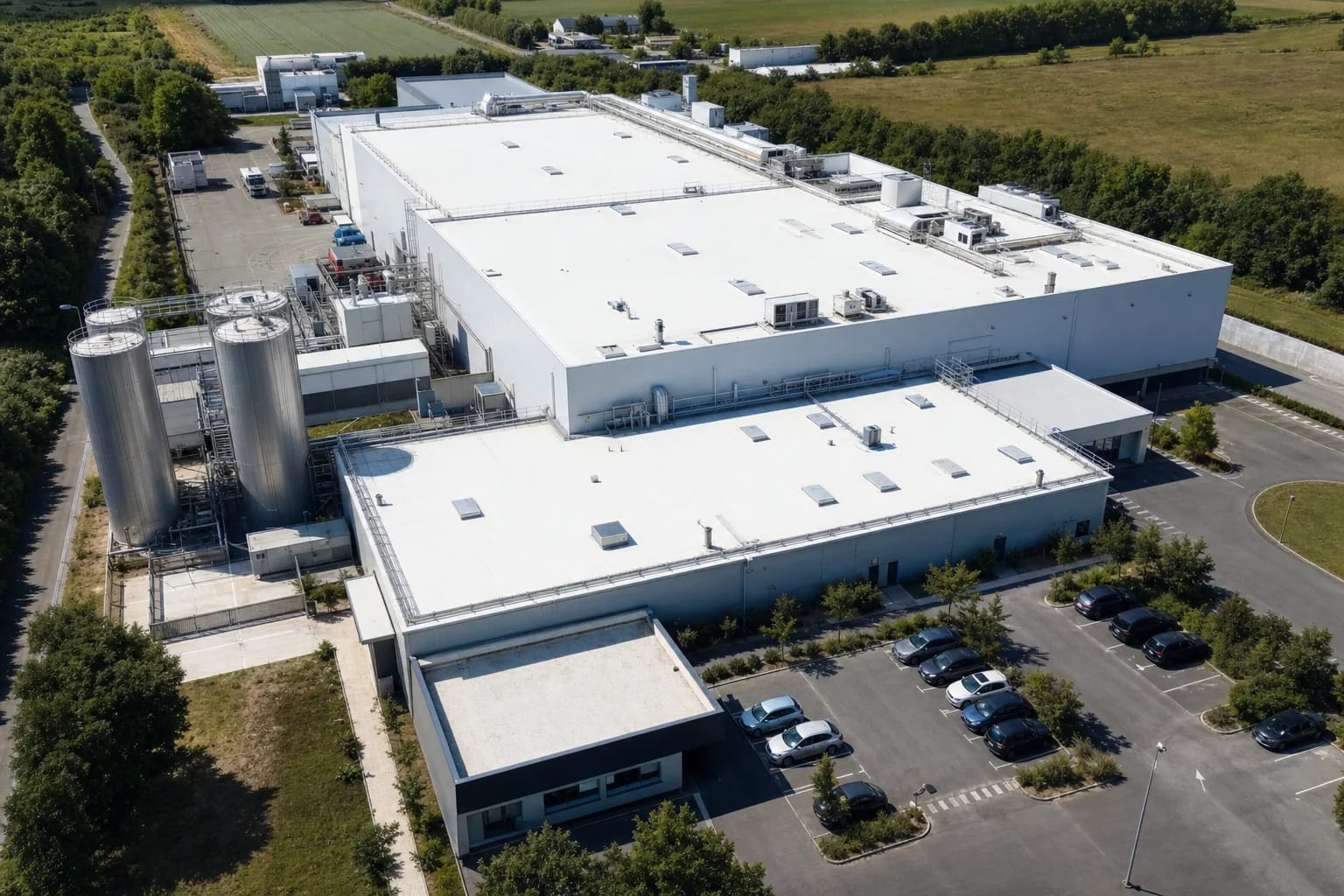
Limit workshop overheating and relieve the site's cooling production.
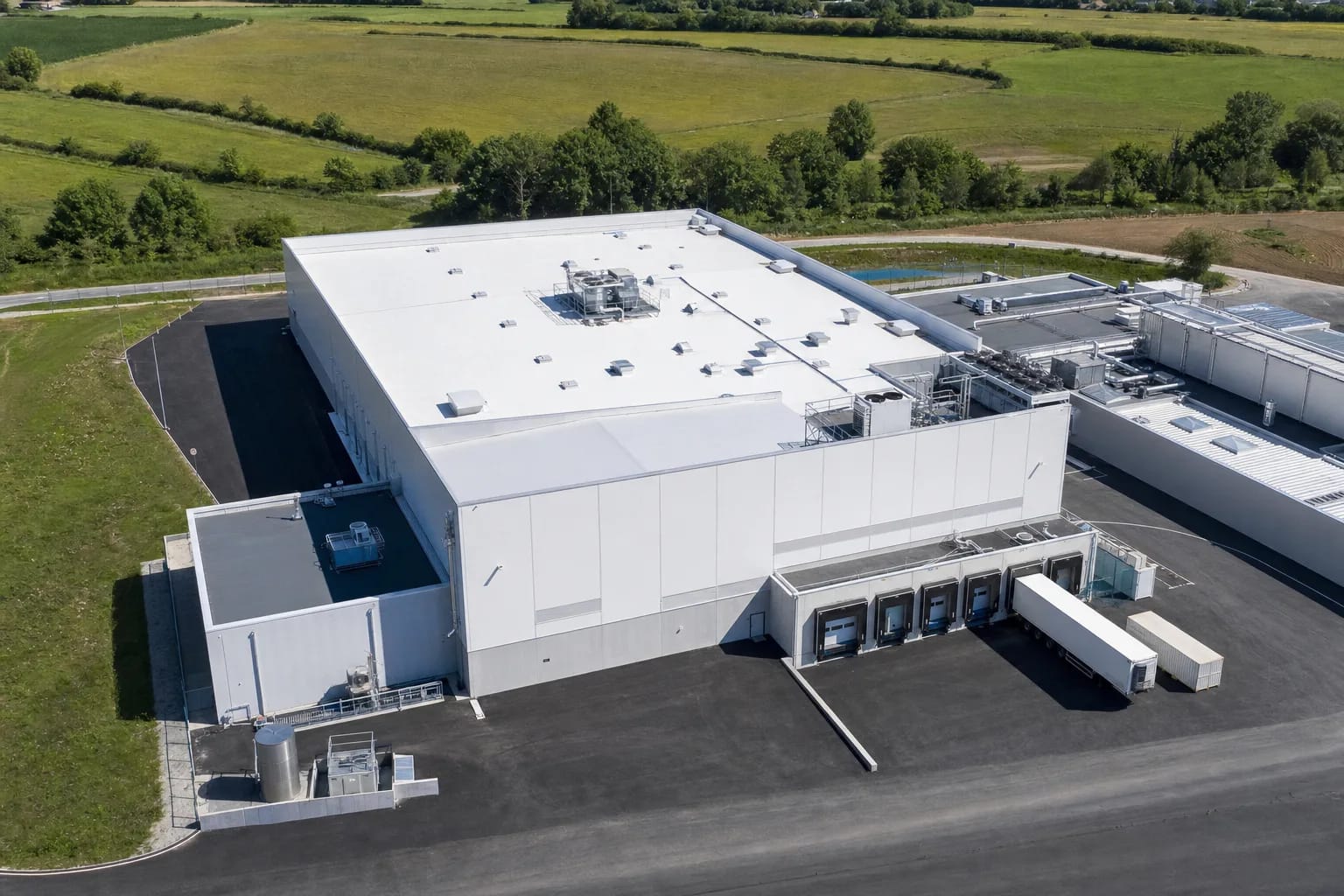
Keep work rooms at low temperature without overloading your refrigeration plant.
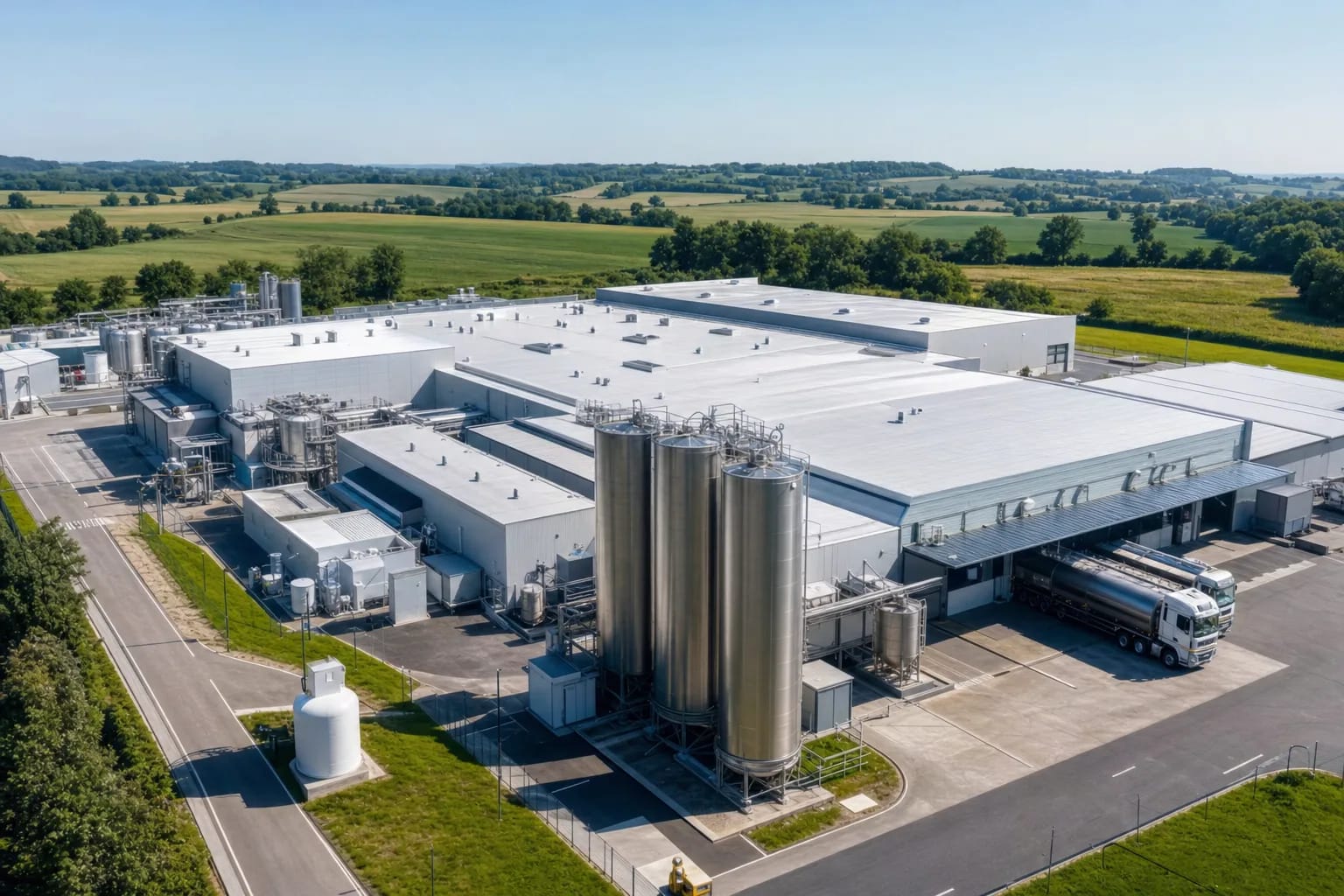
Protect workshops and ripening cellars where a few degrees too many change the product.
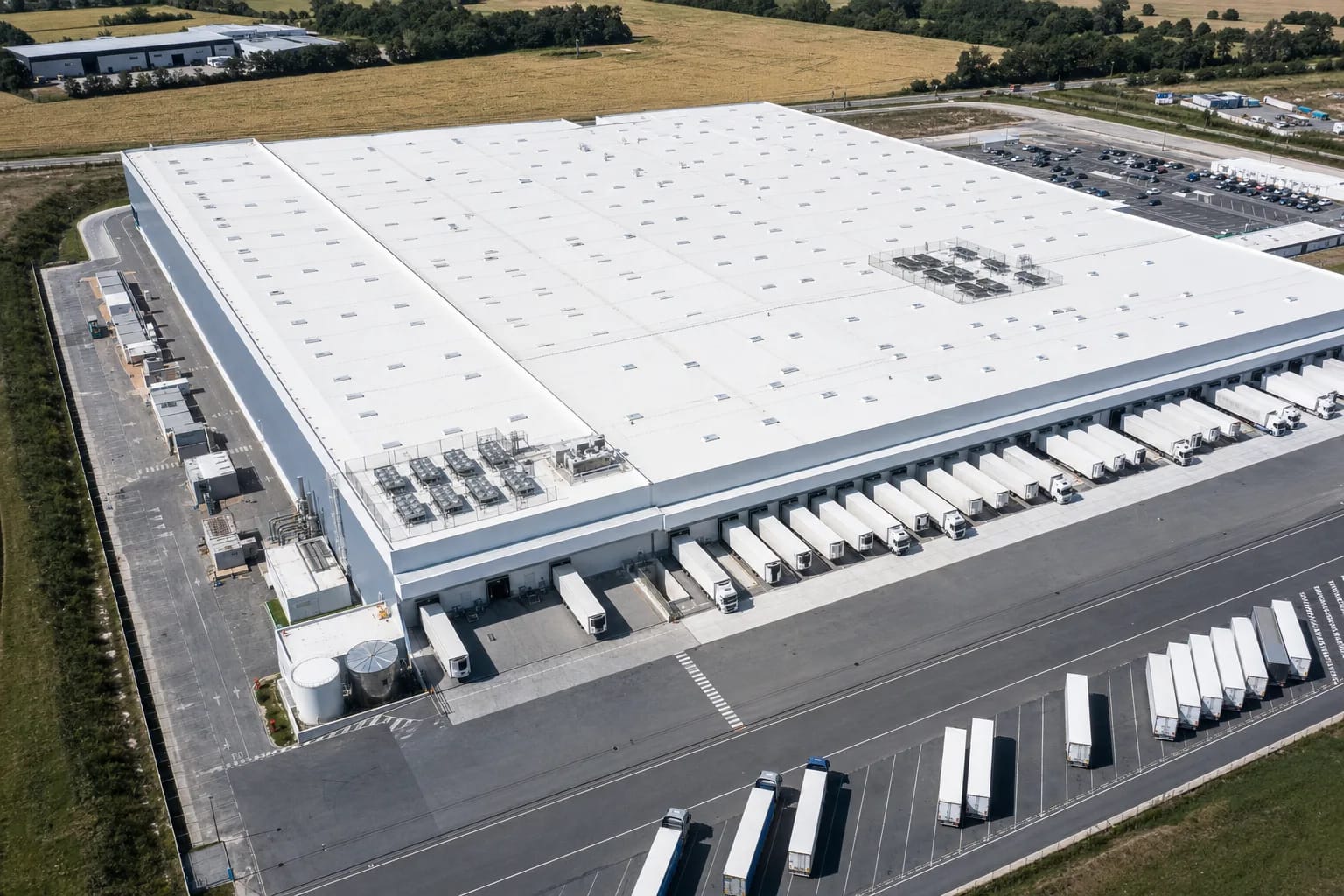
Treat thousands of square metres of roof above docks and cold rooms.
The next step is knowing how to work on a site that keeps producing.
A controlled operation
Machines stay on the ground and only the hoses go up. Our teams never enter your production areas, and your lines keep running.
Voir la vidéoWe survey the substrate, the access points and the roof details, together with your hygiene and safety constraints.
High-pressure cleaning, treatment of weak points and repair of damaged areas before application.
Continuous spray application of the reflective system, with no removal and no entry into the premises.
Checking coverage and thicknesses, site handover and delivery of the file for your maintenance plan.
A few days to a few weeks depending on the surface · No production downtime
Concrete results
We take surface temperature readings after application and follow up with the food industry and logistics sites we have equipped.
over 500
projects in France, Switzerland and Belgium
8 to 10 years
of service life for the polyurethane system
-8 to -10°C
under the roof in summer
Installation du revêtement réflectif CovaSeal 20 sur l'étanchéité bitumineuse.
Installation de la peinture réflective CovaTherm 8 sur l'étanchéité bitumineuse.
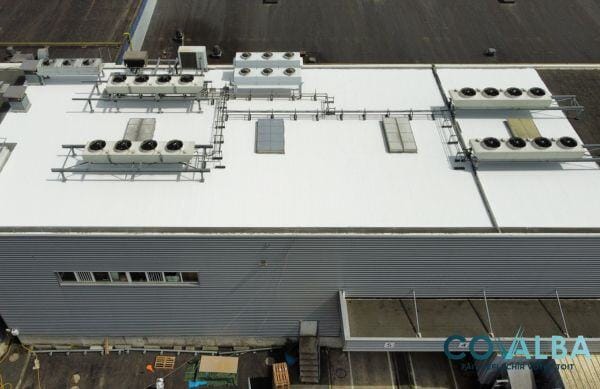
Installation du revêtement CovaSeal sur l'étanchéité bitumineuse.
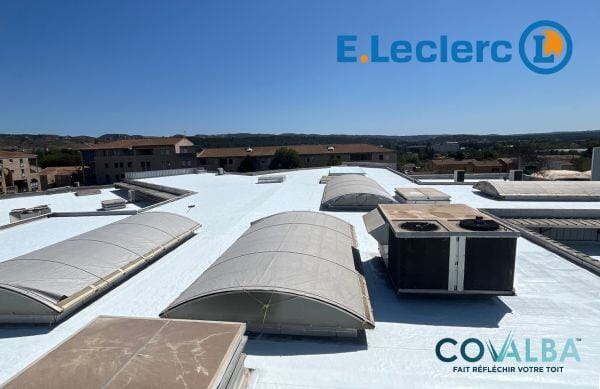
Installation du revêtement réflectif CovaSeal 20 sur l'étanchéité bitumineuse.
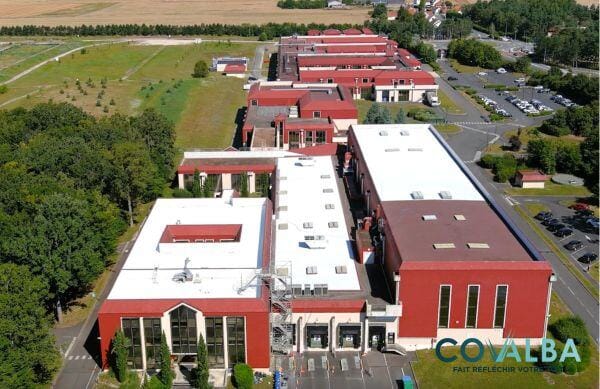
Installation de la peinture réflective CovaTherm SRI=119 sur l'étanchéité bitumineuse.
Voir le cas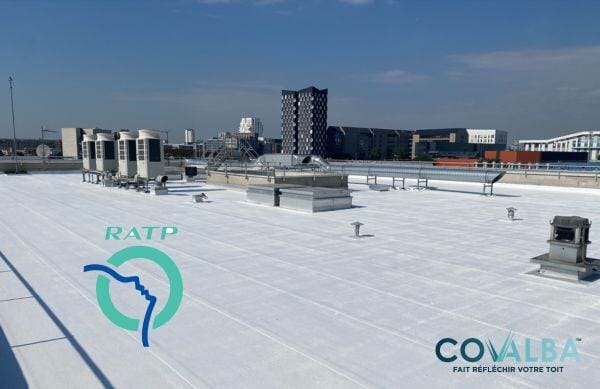
Installation de la peinture réflective CovaTherm SRI=119 sur l'étanchéité bitumineuse.
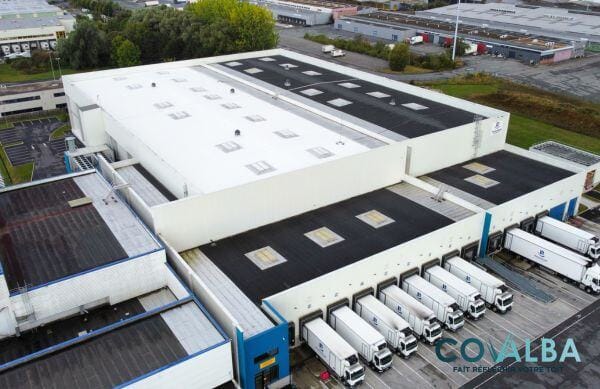
Installation de la peinture réflective CovaTherm SRI=119 sur l'étanchéité bitumineuse.
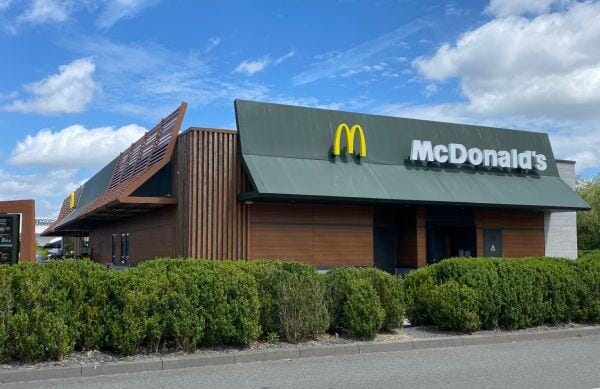
Installation de la peinture réflective CovaTherm SRI=119 sur l'étanchéité bitumineuse.
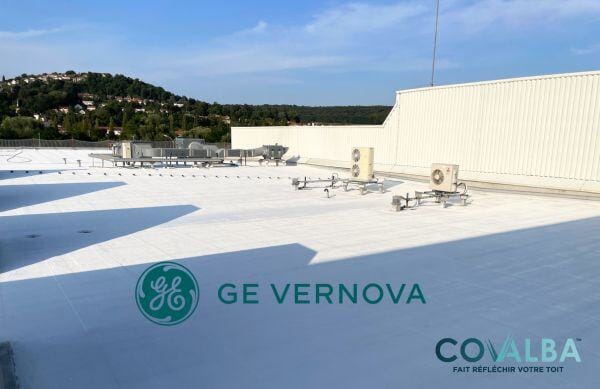
Installation du revêtement réflectif CovaSeal 20 sur l'étanchéité bitumineuse.
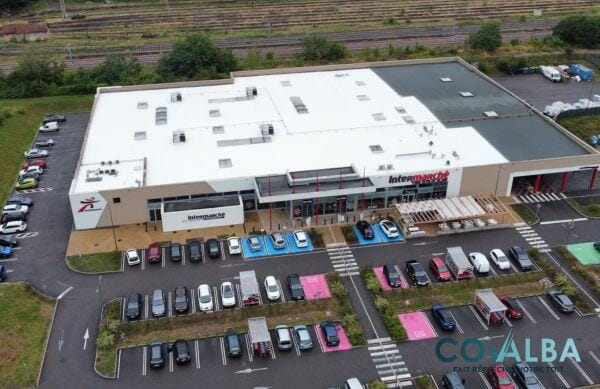
Installation de la peinture réflective CovaTherm SRI=119 sur l'étanchéité bitumineuse.
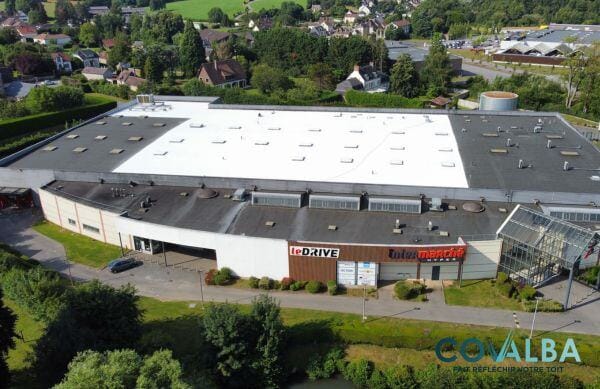
Installation de la peinture réflective CovaTherm SRI=119 sur l'étanchéité bitumineuse.
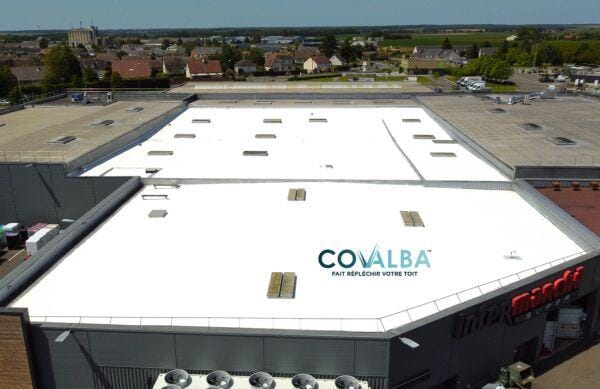
Installation de la peinture réflective CovaTherm SRI=119 sur l'étanchéité bitumineuse.
Voir le cas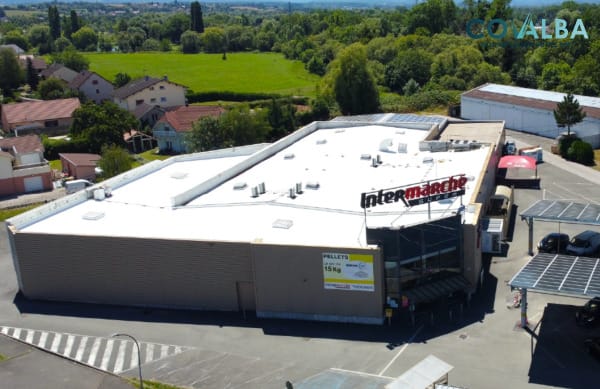
Installation de la peinture réflective CovaTherm SRI=119 sur l'étanchéité bitumineuse.
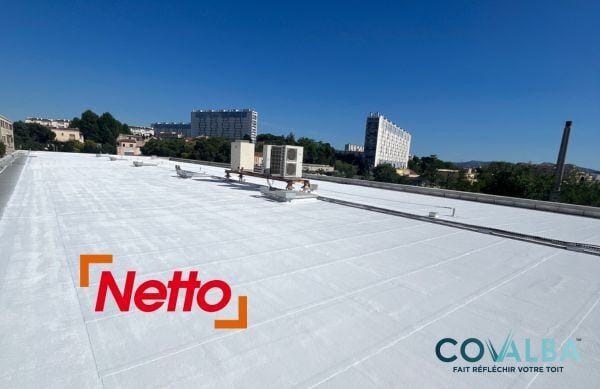
Installation de la peinture réflective CovaTherm 20 sur les toitures bac acier.
Installation de la peinture réflective CovaTherm SRI=119 sur la toiture zinc.
Voir le cas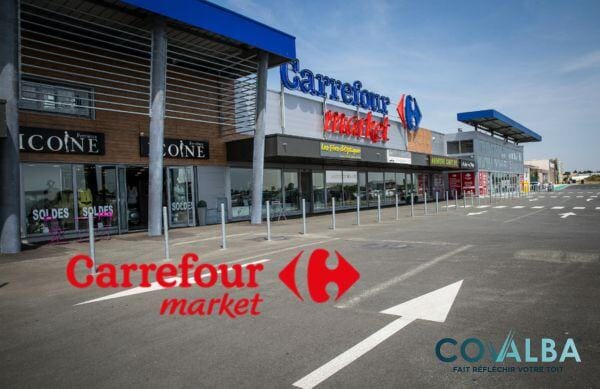
Installation de la peinture réflective CovaTherm 8 sur l'étanchéité bitumineuse.
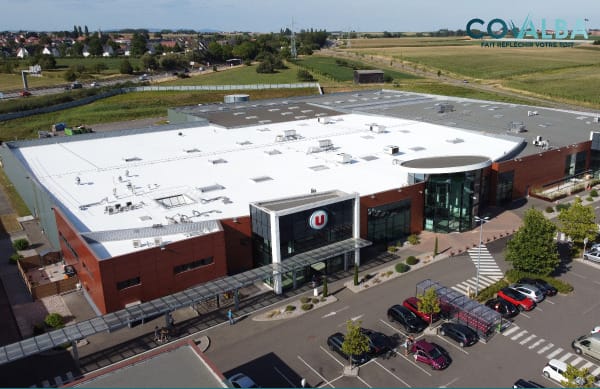
Installation de la peinture réflective CovaTherm SRI=119 sur l'étanchéité bitumineuse.
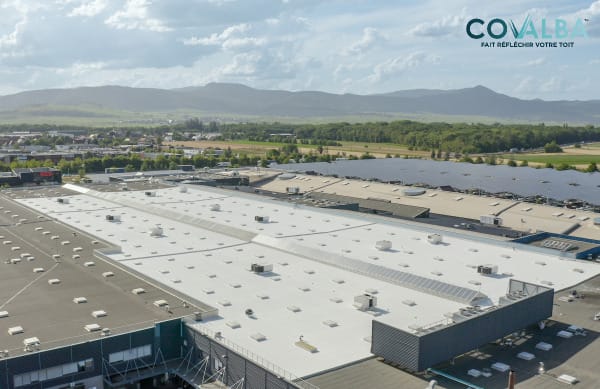
Installation de la peinture réflective CovaTherm SRI=119 sur l'étanchéité bitumineuse.
Voir le cas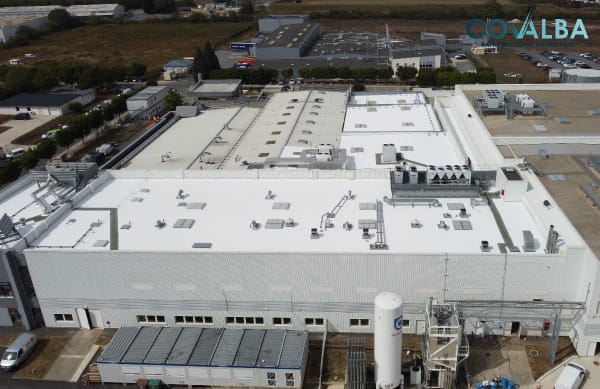
Installation de la peinture réflective CovaTherm SRI=119 sur l'étanchéité bitumineuse.
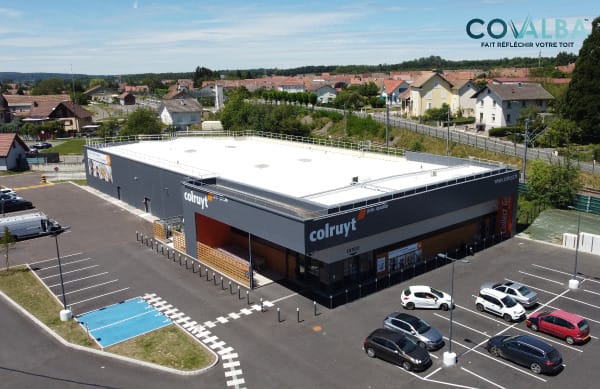
Installation de la peinture réflective CovaTherm SRI=119 sur l'étanchéité bitumineuse.
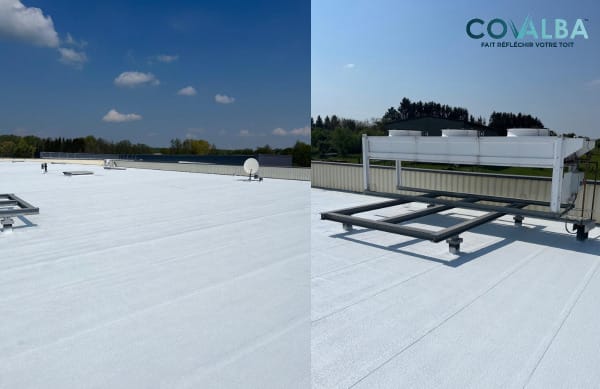
Installation de la peinture réflective CovaTherm 118 sur l'étanchéité bitumineuse.
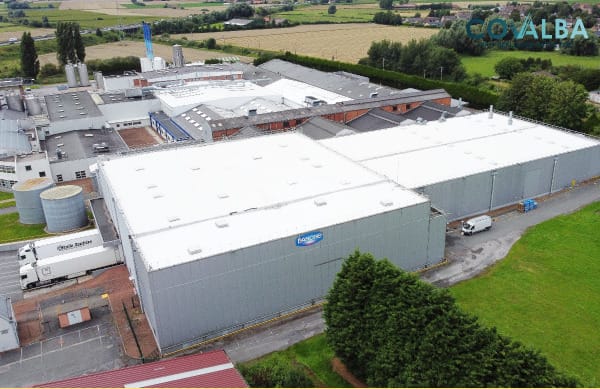
Installation de la peinture réflective CovaTherm SRI=119 sur l'étanchéité bitumineuse. Laquage solaire des lanterneaux.
Voir le cas
Installation de la peinture réflective CovaTherm SRI=119 sur l'étanchéité bitumineuse.
Installation du revêtement réflectif CovaTherm 20 sur l'étanchéité bitumineuse.
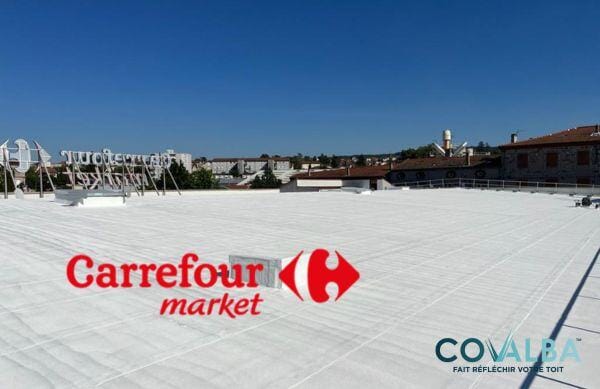
Installation du revêtement réflectif CovaTherm 20 sur l'étanchéité bitumineuse.
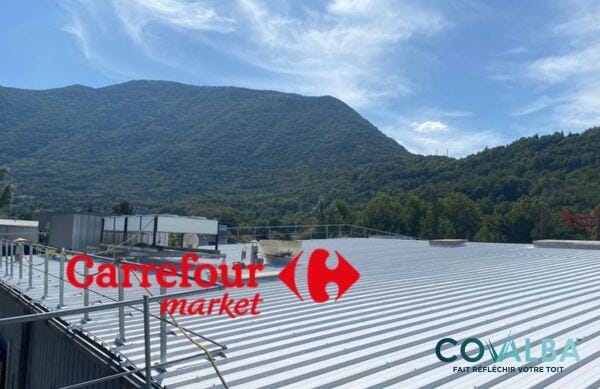
Installation du revêtement réflectif CovaTherm 20 sur l'étanchéité bitumineuse.
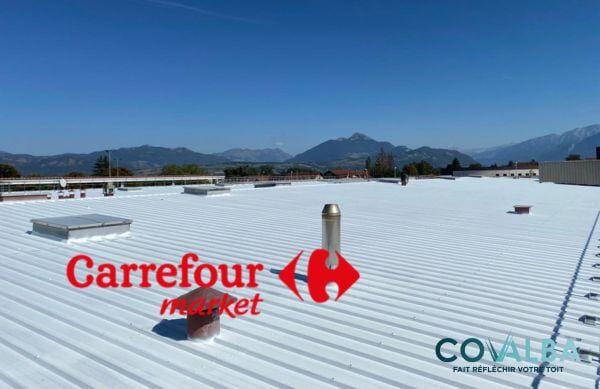
Installation du revêtement réflectif CovaTherm 20 sur l'étanchéité bitumineuse.
Installation du revêtement réflectif CovaTherm 20 sur l'étanchéité bitumineuse.
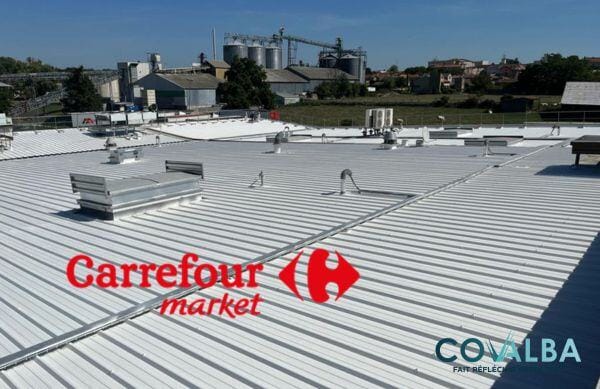
Installation du revêtement réflectif CovaTherm 20 sur l'étanchéité bitumineuse.
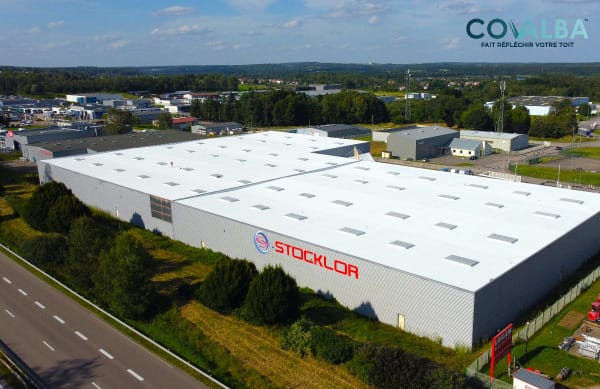
Installation de la peinture réflective CovaTherm SRI=119 sur l'étanchéité bitumineuse
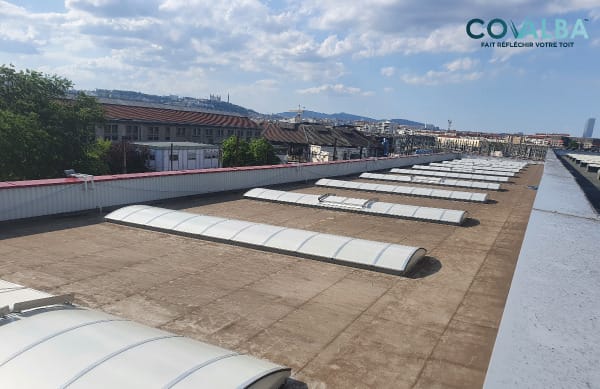
Laquage solaire des voûtes éclairantes d'un technicentre.
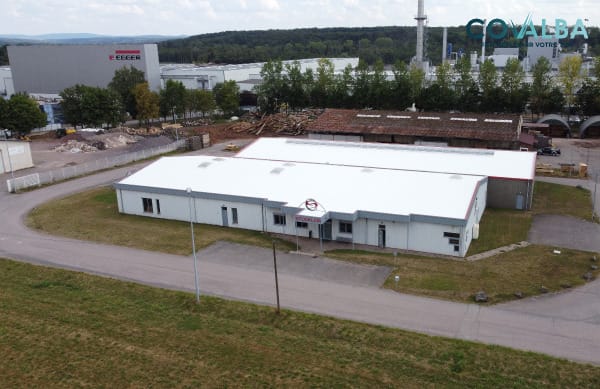
Installation de la peinture réflective CovaTherm SRI=119 sur l'étanchéité bitumineuse
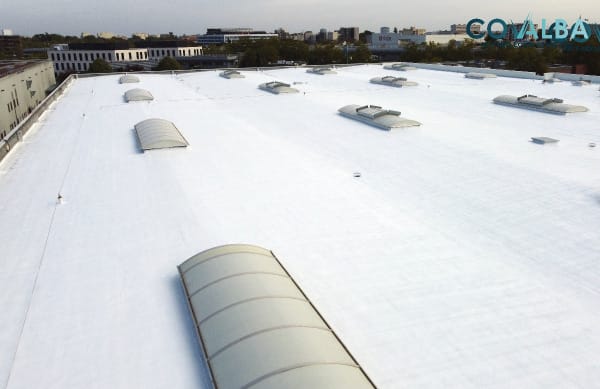
Installation de la peinture réflective CovaTherm SRI=119 sur l'étanchéité bitumineuse.
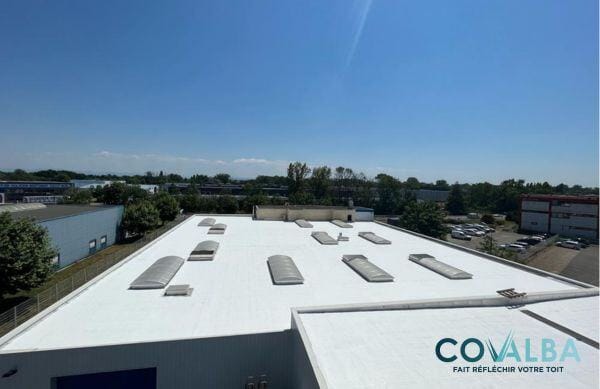
Installation de la peinture réflective CovaTherm SRI=119 sur l'étanchéité bitumineuse.
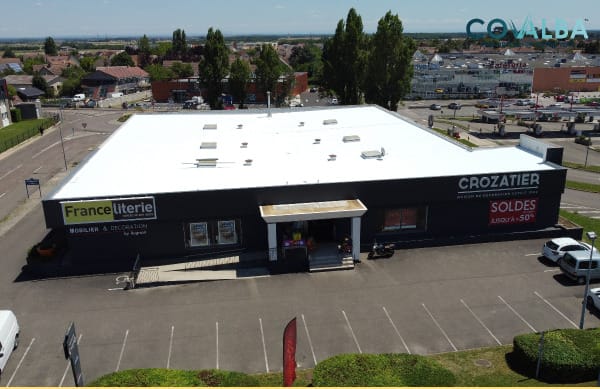
Installation de la peinture réflective CovaTherm SRI=119 sur l'étanchéité bitumineuse.
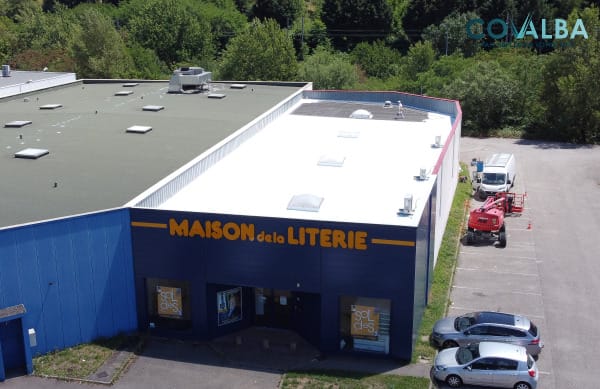
Installation de la peinture réflective CovaTherm SRI=119 sur l'étanchéité bitumineuse.
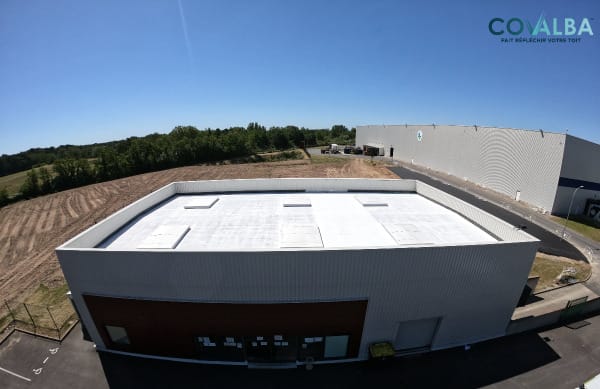
Installation de la peinture réflective CovaTherm SRI=119 sur l'étanchéité bitumineuse. Laquage solaire des voûtes éclairantes et lanterneaux.
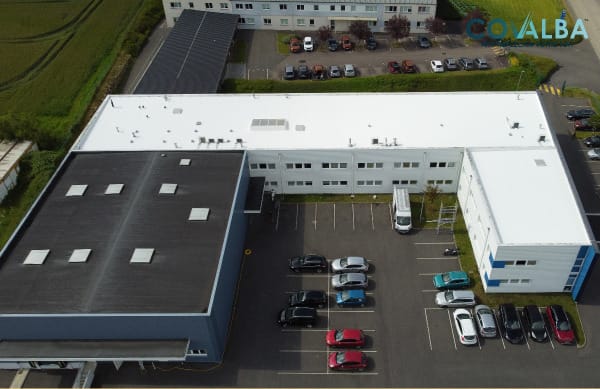
Installation de la peinture réflective CovaTherm SRI=119 sur l'étanchéité bitumineuse
Voir le cas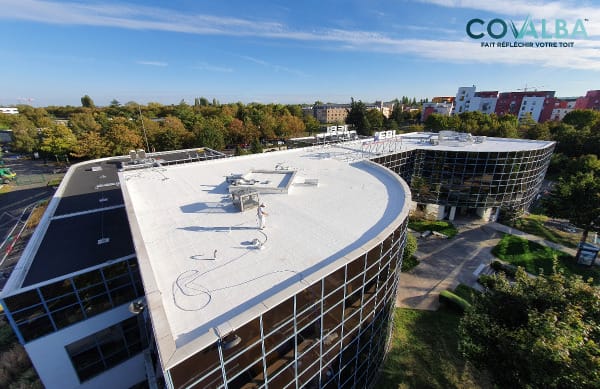
Installation de la peinture réflective CovaTherm SRI=119 sur l'étanchéité bitumineuse
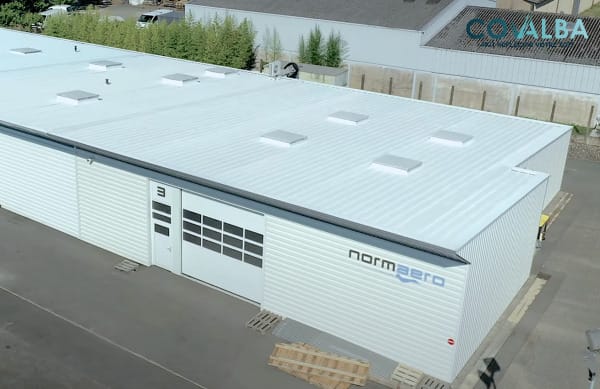
Installation de la peinture réflective CovaTherm SRI=119 sur une toiture bac acier.
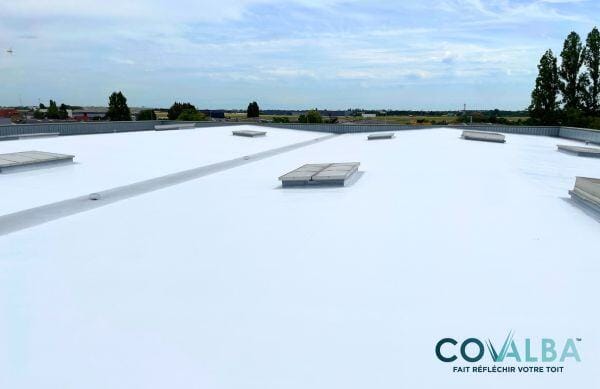
Installation du revêtement réflectif CovaSeal 20 sur l'étanchéité PVC.
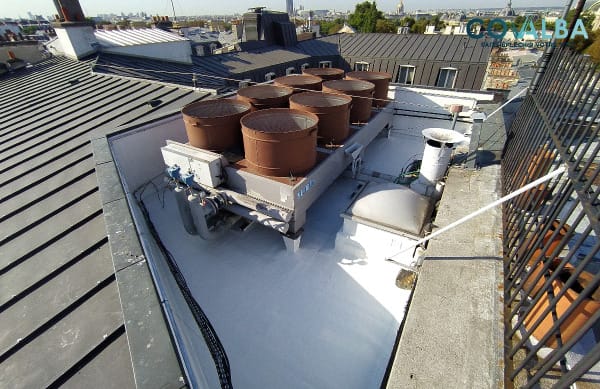
Installation de la peinture réfléchissante CovaTherm SRI=119 sur une étanchéité bitumineuse.
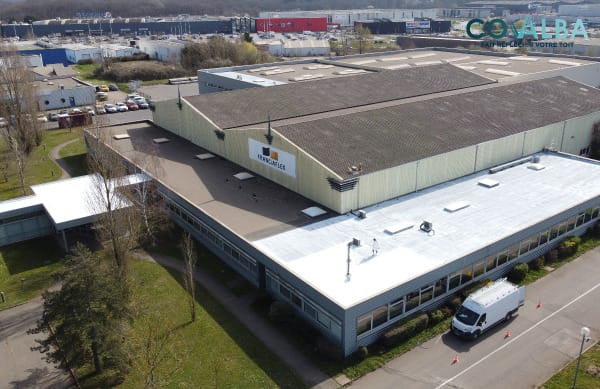
Installation de la peinture réflective CovaTherm SRI=119 sur l'étanchéité bitumineuse. Laquage solaire des voûtes éclairantes et lanterneaux.
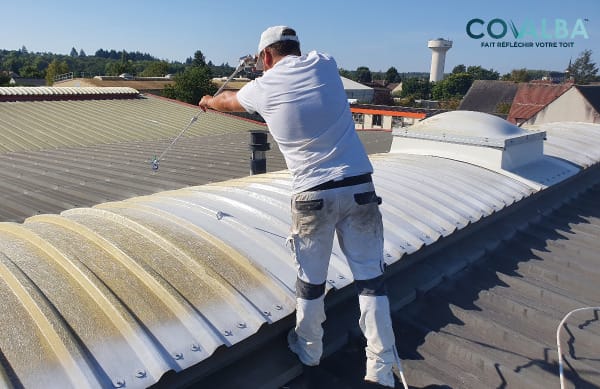
Laquage solaire des voûtes éclairantes.
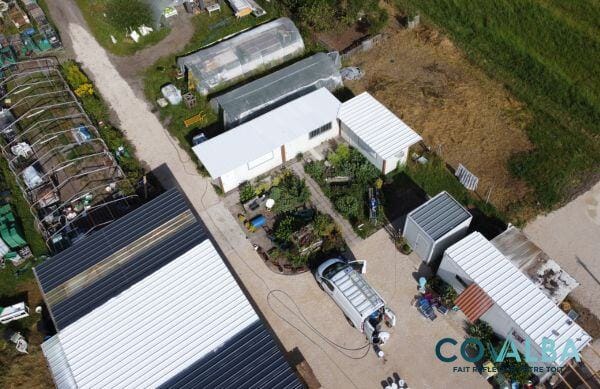
Installation de la peinture réflective CovaTherm 8 sur les toitures bac acier.
Ils économisent déjà avec Covalba
FAQ
Here is what maintenance managers and site directors ask us most often.
No. The works take place entirely on the roof: machines stay on the ground and only the hoses go up. Nobody enters your production or storage areas, and the cold chain is not interrupted. Your roof-mounted refrigeration units stay in service. We protect them and work around them during the application.
No. Cool roof is applied outside the building. Foodstuffs and production surfaces are never exposed. Our teams follow your prevention plan, your roof access rules and your protective equipment requirements. No critical control point of your HACCP plan is changed by the works.
Yes. Insulation slows heat transfer, it does not stop it. A dark roof heats up strongly in the sun and passes part of that heat on to the premises. Cool roof acts earlier, reflecting up to 94% of solar radiation. The two work together.
Cool roof lowers the temperature under the roof by 8 to 10°C in summer and cuts up to 40% of the cooling linked to the roof. The real gain depends on the surface area, the type of refrigeration and the climate zone. Covalba quantifies it during the study, from your own consumption data.
An industrial or tertiary site can claim the French CEE energy saving certificate under standard sheet BAT-EN-112. Eligibility depends on the building, its heating and cooling equipment and the absence of a reflective coating before the works. Covalba checks these conditions during the study and files the application with you.
Bituminous membrane, steel deck, insulated sandwich panel, EPDM, PVC, fiber cement and concrete. The diagnosis steers towards the right system: CovaTherm on a sound roof, CovaSeal 20 when the waterproofing is tired, CovaMetal 20 on corroded steel deck, CovaTherm Light on rooflights.
Request a study. We quantify the temperature drop under the roof and the cooling savings on your site. The works are 100% roof-side, with no production downtime.
A food industry site produces cooling all year round. In summer the roof becomes the first source of heat to offset, and the electricity bill follows.
A cold store, a cutting room or a dairy holds a setpoint temperature at all times. The roof is the most exposed surface of the building. A dark roof absorbs solar radiation and passes part of that heat on to the premises and to the equipment installed on it. Condensers mounted on the roof then work in air that is already warm, and their efficiency drops exactly when cooling demand peaks. Cool roof cuts this heat at the source. The surface stays close to ambient temperature and the temperature under the roof drops by 8 to 10°C in summer.
Three families of roofs dominate the food industry building stock. Steel deck covers many recent plants and platforms. It heats up fast and corrodes at the sheet overlaps. Insulated sandwich panels equip refrigerated cells, with many roof details to treat. Bituminous membrane is still very common on older buildings: 80% of the roofs treated by Covalba fall into this category and are more than 10 years old. Our pages on cool roof on steel deck and cool roof on bituminous membrane detail the preparation specific to each substrate, and CovaMetal 20 treats steel deck that is already corroded.
The main constraint of a food industry site is sanitary before it is technical. Any intervention in a production area means a shutdown, a full clean and a return to compliance before restart. Cool roof avoids that scenario. The application is 100% roof-side, machines on the ground and hoses on the roof, with no removal and no entry into the premises. Foodstuffs are never exposed. Your HACCP plan, the site’s hygiene reference framework, stays unchanged, and the cold chain is not interrupted. The works follow your roof access rules and your prevention plan.
The tertiary buildings of a food industry site fall under the décret tertiaire, the French tertiary decree, logistics platforms and retail surfaces first of all. It requires final energy consumption to be cut by 30% by 2030, 40% by 2040 and 50% by 2050, with an annual declaration on the OPERAT platform. Cool roof reduces the heat that cooling production has to offset, with no structural works and no site closure. The cooling savings are then declared on OPERAT and count towards the site’s targets. Our page on cool roof for logistics covers large warehouses.
Reflective coating works fall under standard sheet BAT-EN-112 of the French energy saving certificates scheme, which targets tertiary and industrial buildings. Eligibility depends on the heating and cooling equipment of the site, on the absence of a reflective coating before the works and on the performance of the product after ageing. Covalba checks these conditions during the study and files the application with your energy department. The French rules on cold storage energy requirements set the wider framework.
An application is planned outside rainy and freezing periods, ideally in spring so the effect is there from the first summer. The works last from a few days to a few weeks depending on the surface, with no production downtime. Everything starts with a roof diagnosis, covering the substrate condition, the access points, the roof details and the choice of system. Cool roof costs €20 to €22/m² supplied and applied, against €80 to €100/m² for a new membrane, and it pushes replacement back by 8 to 10 years. The CovaSeal 20 reflective waterproofing page covers roofs whose waterproofing is already tired.