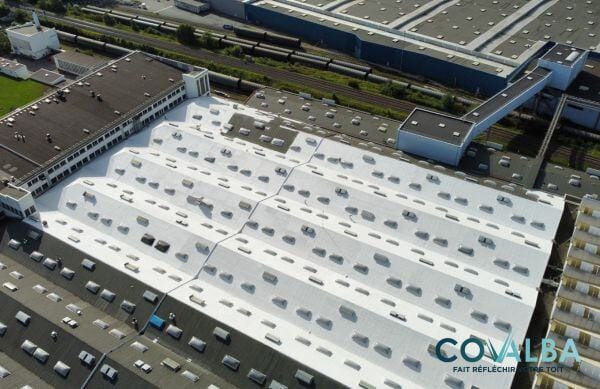
Industrie
Usine d'embouteillage (confidentiel), France
Installation du revêtement réflectif CovaSeal 20 sur l'étanchéité bitumineuse.
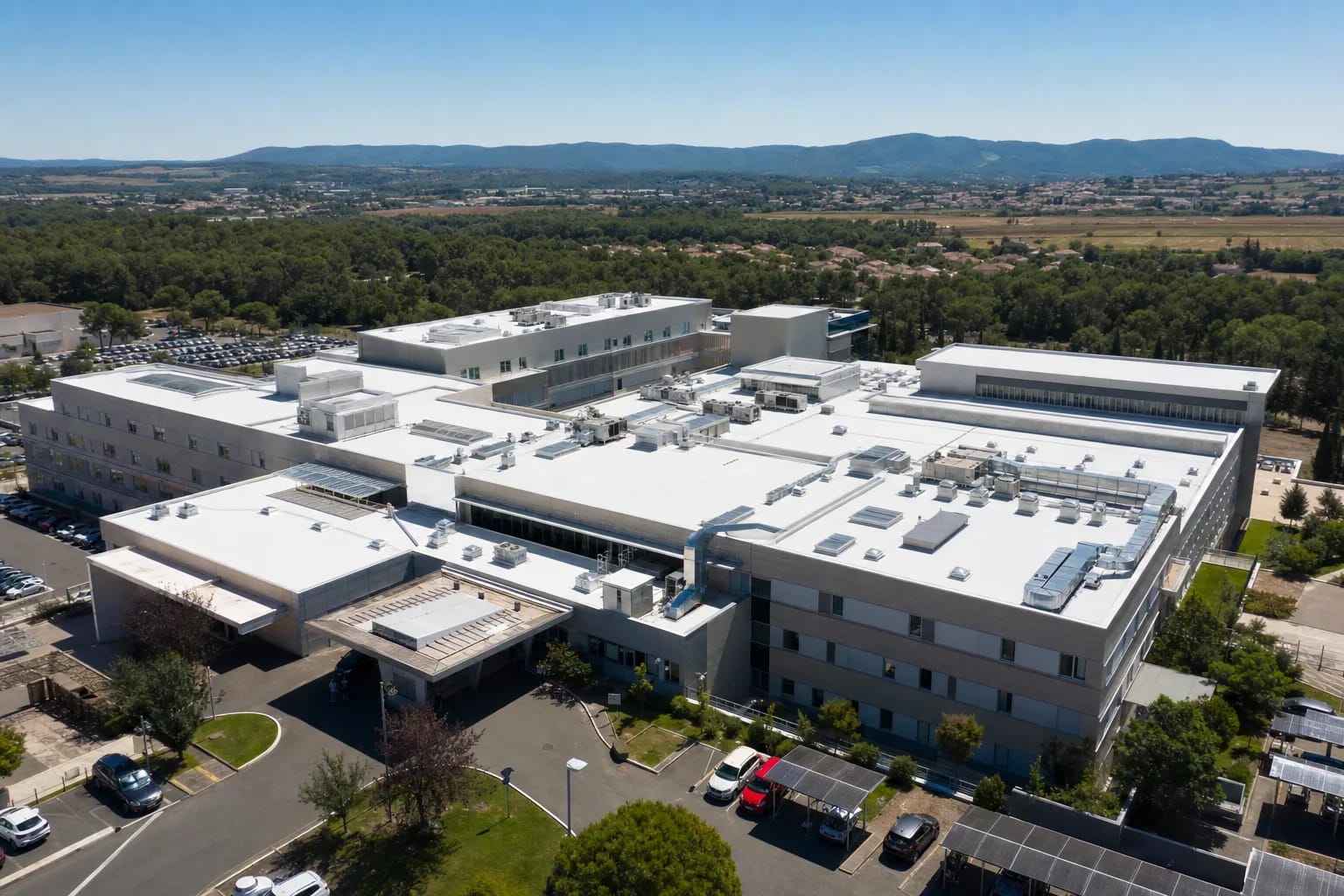
Cool roof for healthcare and hospitals
Protect your patients and residents from summer heat. The works stay on the roof, without closing a ward.
-8 to -10 °C
under the roof in summer
up to -40%
on roof-related cooling
0 shutdown
of services, 100% roof-side
Ils économisent déjà avec Covalba











Why act
A healthcare facility never closes, and it houses people who regulate their body temperature poorly. In summer, the roof takes the sun all day and sends that heat down to the top floors.
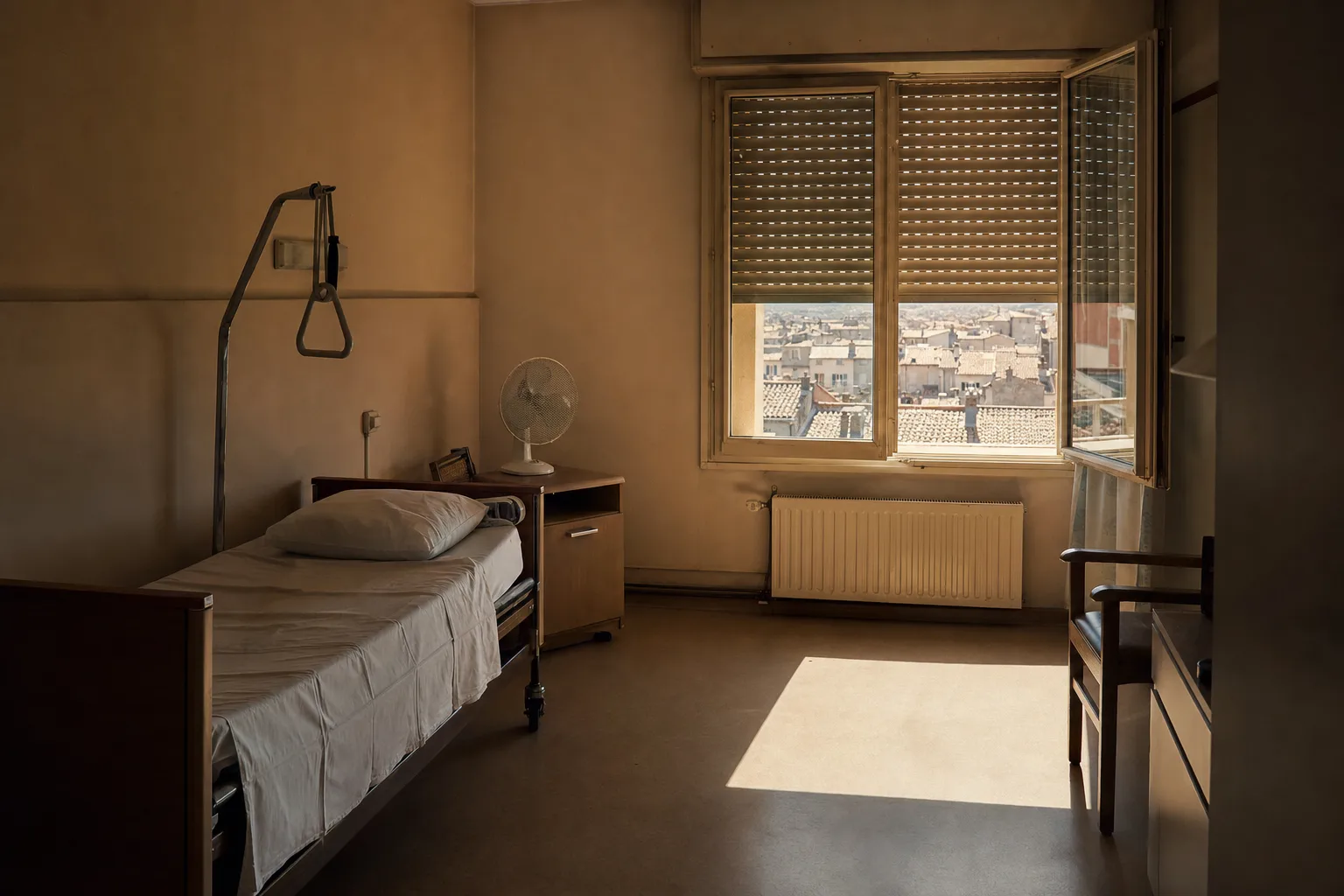
Older people, infants and chronically ill patients cope badly with heat peaks, above all at night in top-floor bedrooms.
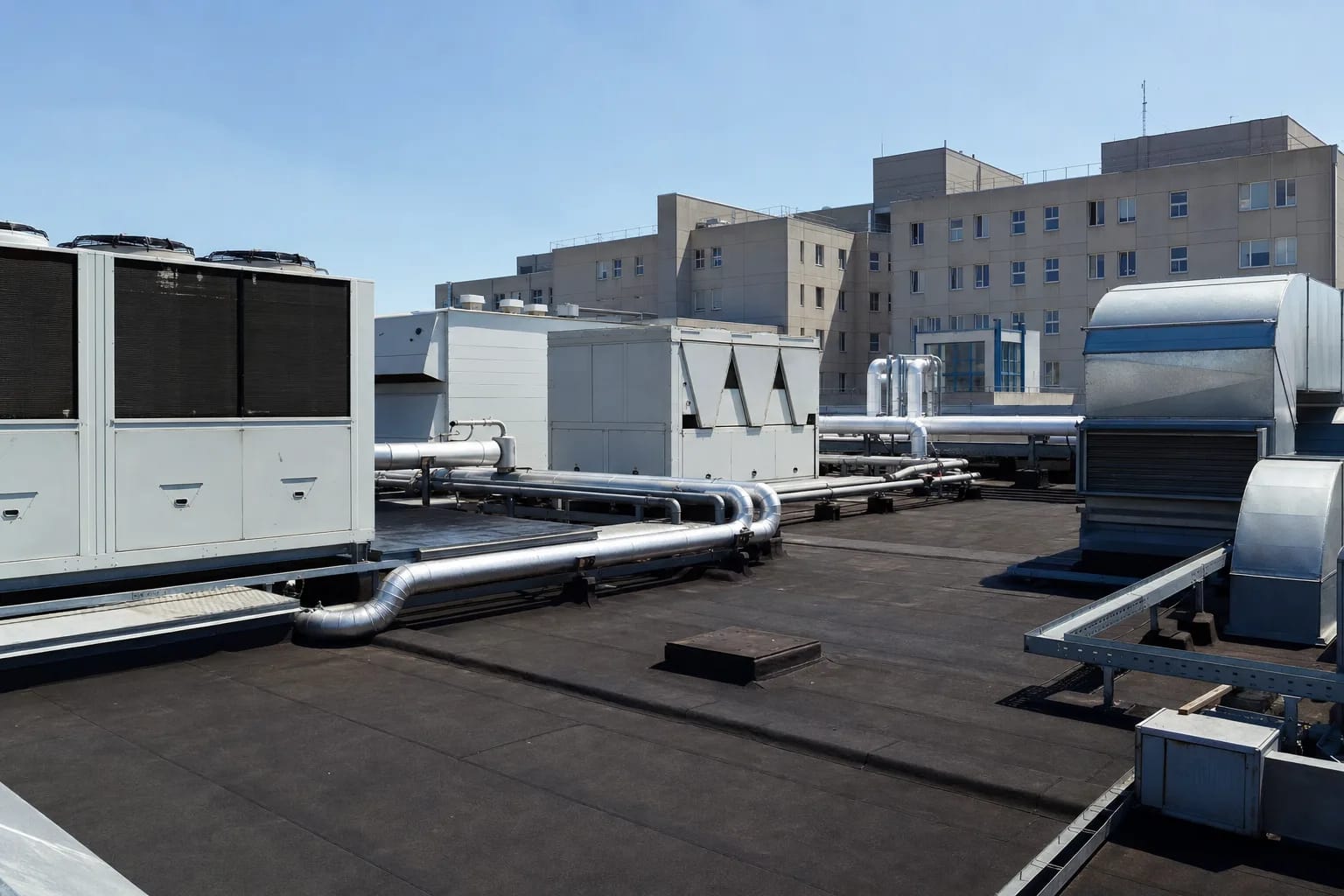
Theatres, imaging and laboratories need a stable temperature. In summer, the chillers run continuously to offset the heat from the roof.
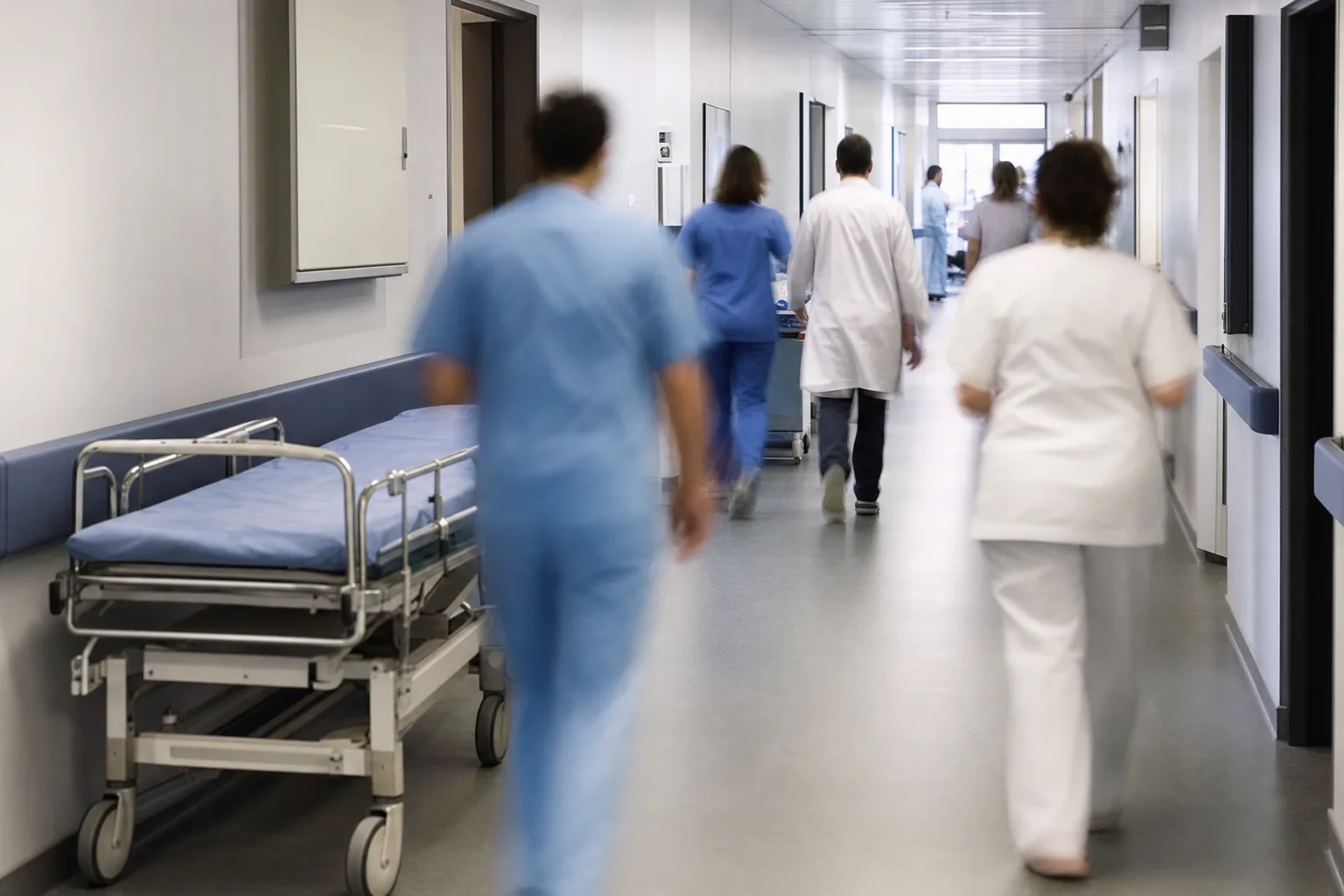
Conventional re-roofing means stripping, noise and closed-off zones for weeks. A care unit does not stop.
The roof is treated from the outside, without setting foot inside the building.
The Covalba solution
The coating reflects up to 94% of solar radiation. The roof stays close to air temperature, and the floors below stop receiving that heat.
One question remains: how long does the coating last?
Durability
On a hospital estate, every trip onto the roof needs an authorisation and a schedule. A coating that loses its reflectivity within a few years means starting over.
| Standard acrylic coating | Covalba polyurethane system | |
|---|---|---|
| Low install price | Performance that holds on a building open around the clock | |
| Price per m² | ~€15 | €20-22 |
| Service life | 2-5 years | 8-10 years |
| Over 10 years | €25-30 | €20-22 |
| Reflectivity drops quickly | Durable polyurethane resin | |
| Chalking and yellowing | Anti-UV finishing varnish | |
| More frequent reapplication | Reflectivity kept longer |
Price per m²
Service life
Over 10 years
-
-
-
The polyurethane system with an anti-UV varnish lasts 8 to 10 years, while the acrylics on the market last 2 to 5 years. Over ten years, the real cost per square metre is reversed.
Funding
The package depends on the status of the facility. Public estate draws on the Fonds Vert, private facilities on the CEE premium.
The CEE file must be opened before the works are signed. The décret tertiaire, the French tertiary decree, separately requires -30% of final energy consumption by 2030, with an annual declaration on the OPERAT platform.
What you gain
The roof stops sending its heat down to the floors below. The temperature drops under the roof and the cooling equipment works less.
-8 to -10 °C
under the roof in summer
From the first summer
Bedrooms and day rooms stay cooler during heatwaves, day and night.
Up to -40% on the share of cooling linked to the roof, where air conditioning already exists.
The coating shields the membrane from UV and pushes the roof replacement back by 8 to 10 years.
The share of cooling linked to the roof drops, and that drop counts in your annual OPERAT declaration.
Here is what it gives on each of your buildings.
Your buildings
A care home, an operating theatre and a pharmacy store do not share the same constraints. The works stay the same: everything happens on the roof.
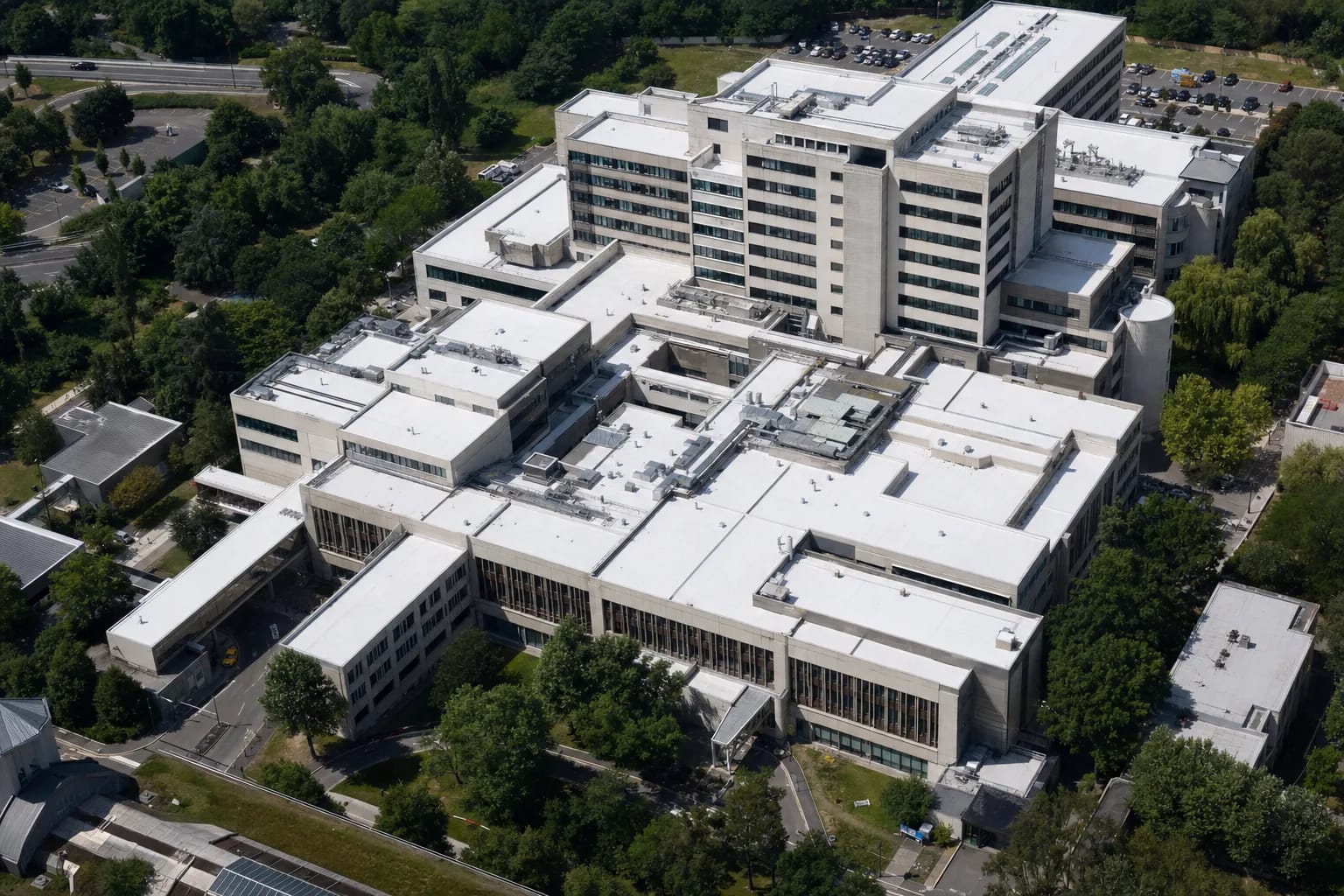
Large flat roofs above inpatient units and technical areas.
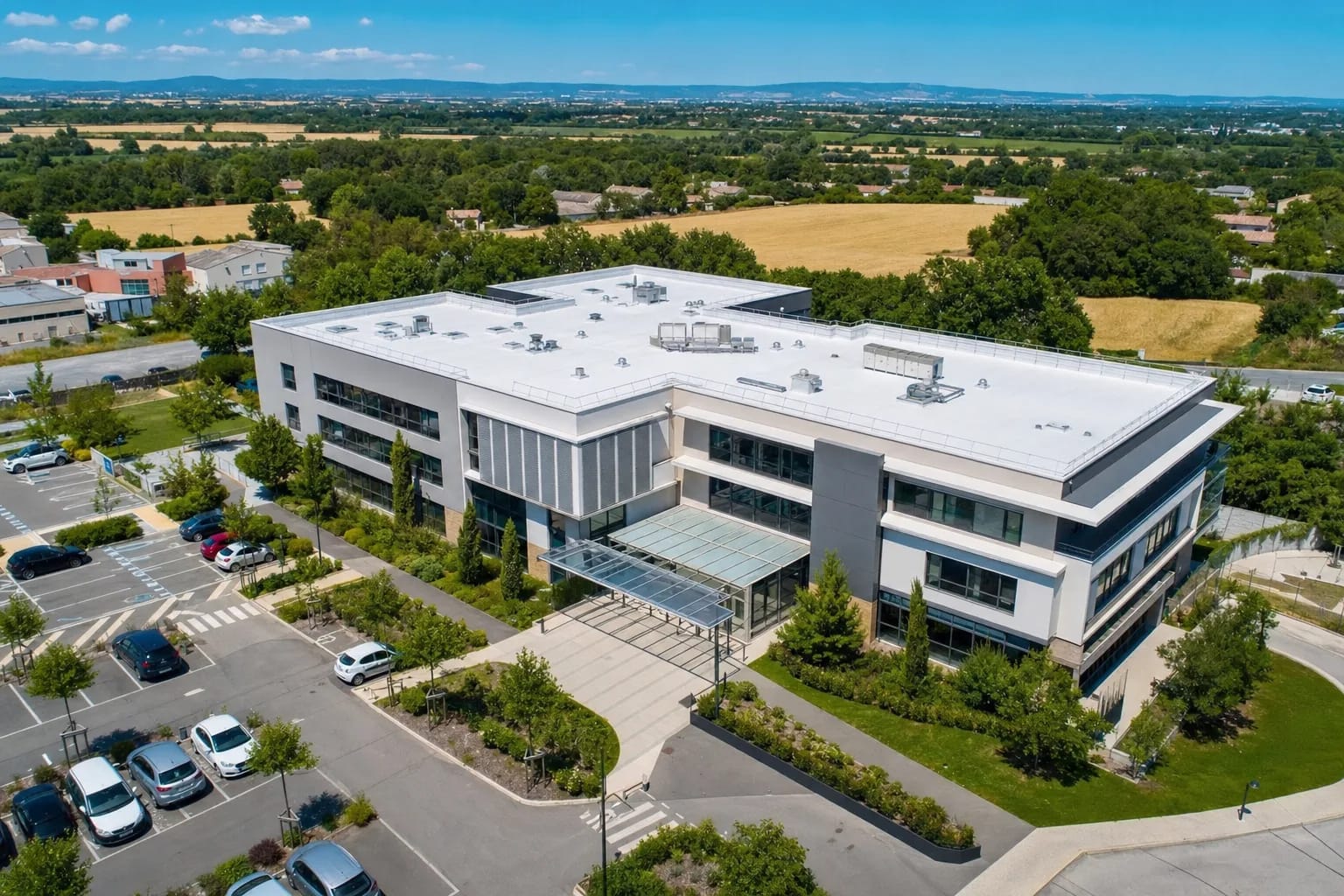
Theatres and recovery rooms where the setpoint must hold all summer.
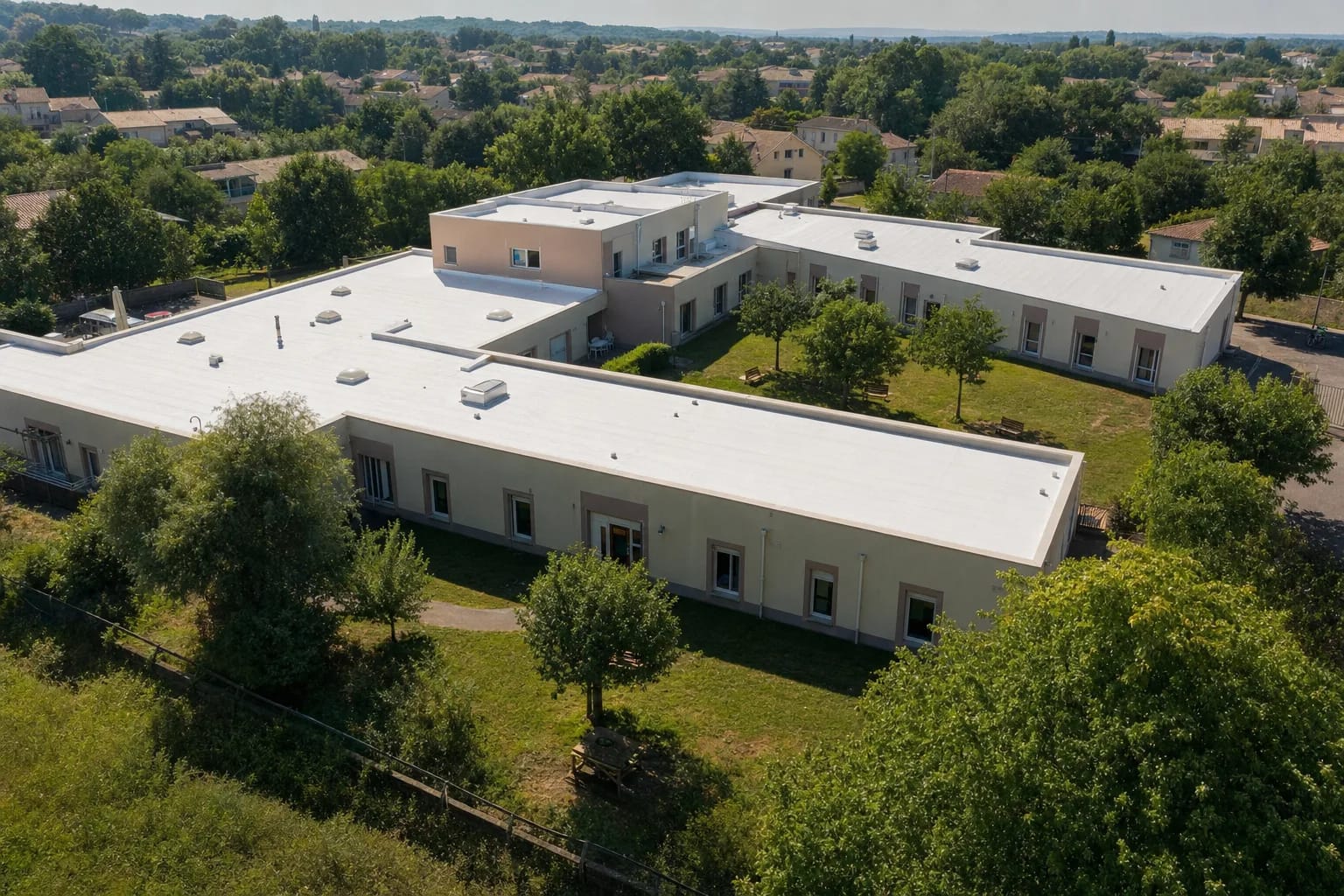
Rooms under the roof occupied all day by residents highly sensitive to heat.
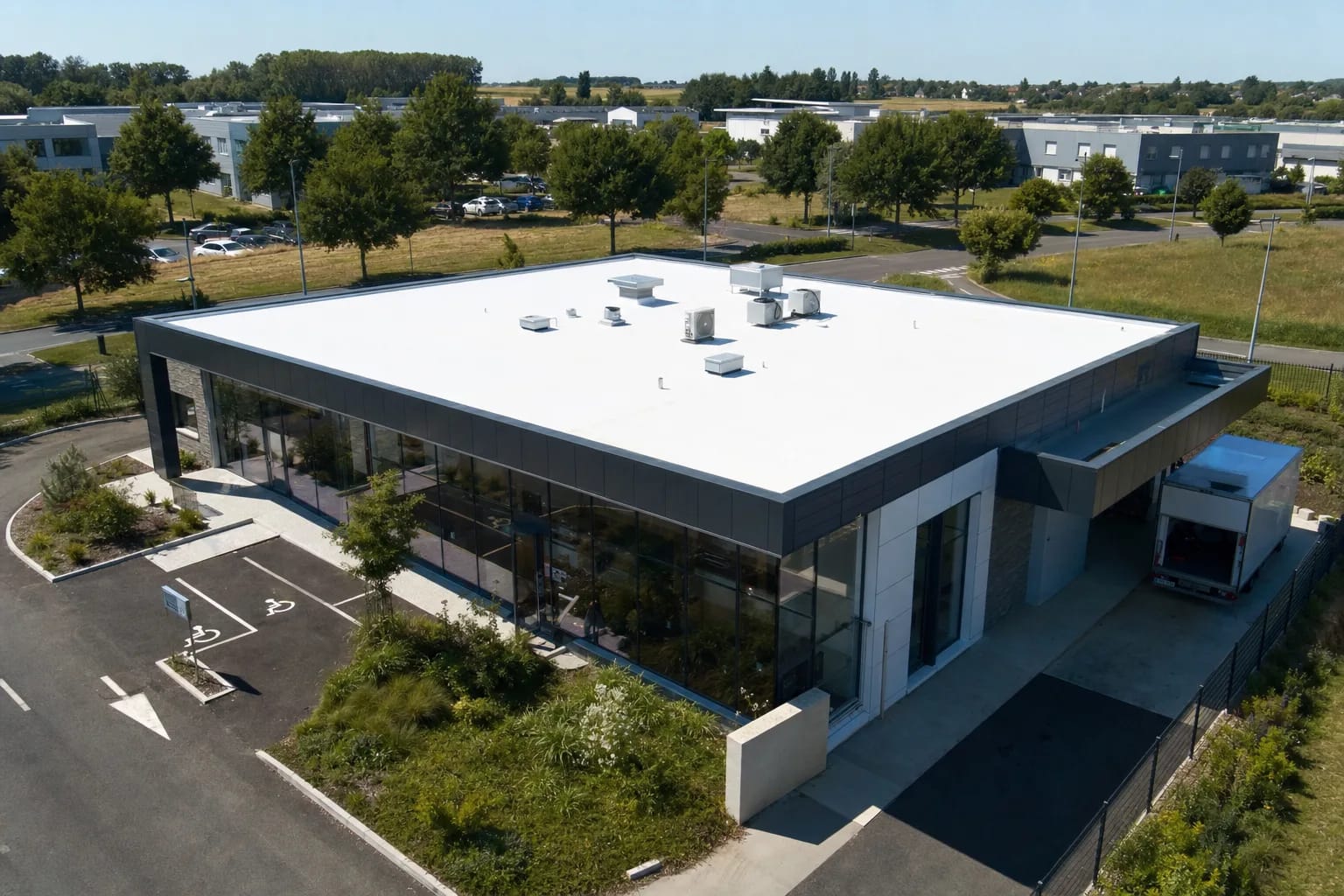
Analysers and samples that need a stable environment, with no drift in late afternoon.
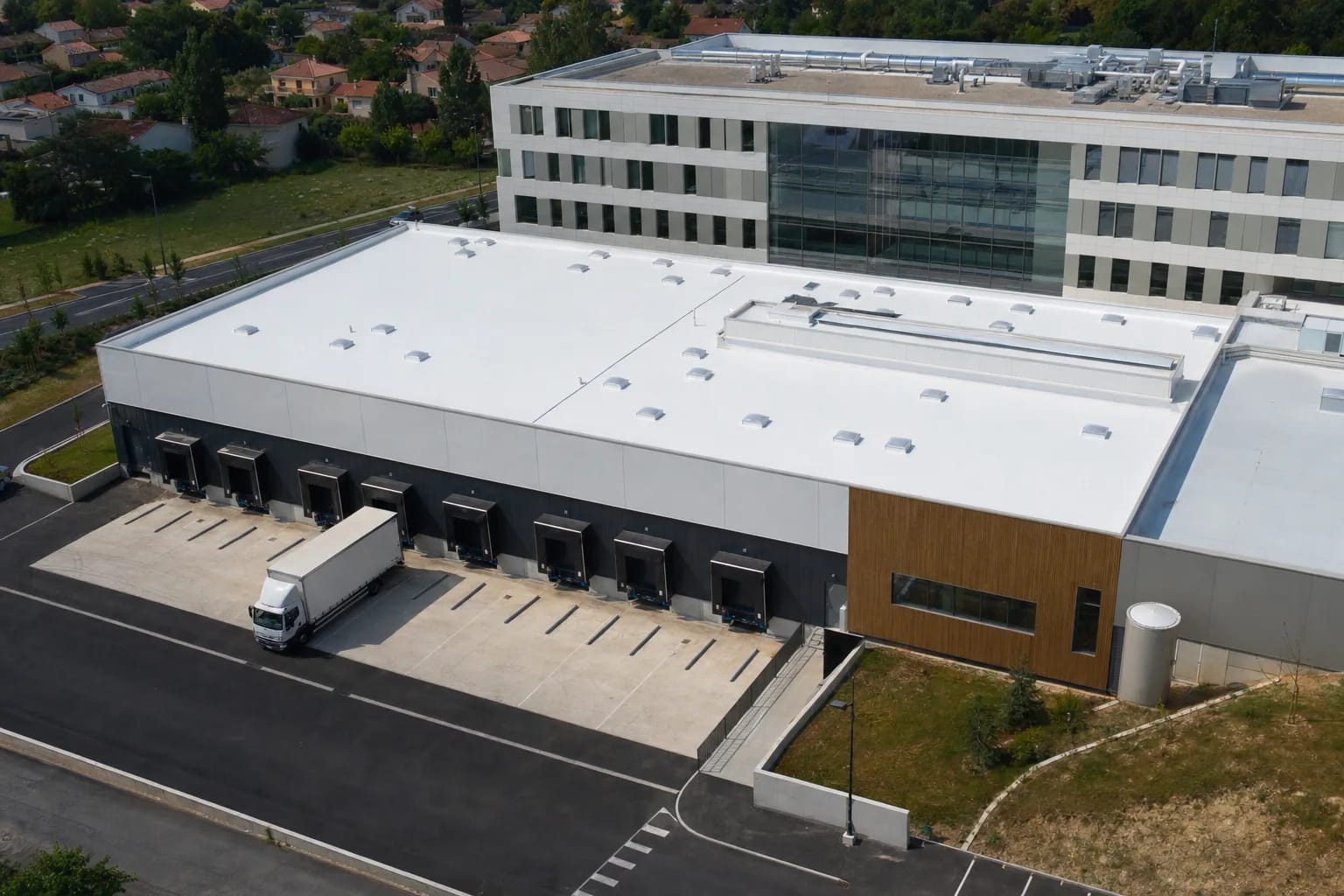
Drug storage and hospital stores under large exposed roofs.
What remains is how a project runs on a site that never closes.
A controlled operation
Everything happens from the outside. We set the schedule ward by ward with your technical teams and the director of care.
Voir la vidéoWe survey the condition of the roof and its access. We map the fresh-air intakes, the smoke vents and the sensitive zones.
We clean the substrate with high pressure. The noisiest phases are scheduled with the wards concerned.
We spray the coating continuously. The machines stay on the ground, only the hoses go up to the roof.
We check the thickness and uniformity of the film, then hand over the technical file to your teams and your funding body.
A few days to a few weeks depending on the area · No service shutdown
Concrete results
Surface temperature readings and feedback from operators of buildings fitted by Covalba.
-8 to -10 °C
under the roof in summer
500+
projects in France, Switzerland and Belgium
8 to 10 years
service life of the polyurethane system
Installation du revêtement réflectif CovaSeal 20 sur l'étanchéité bitumineuse.
Installation de la peinture réflective CovaTherm 8 sur l'étanchéité bitumineuse.
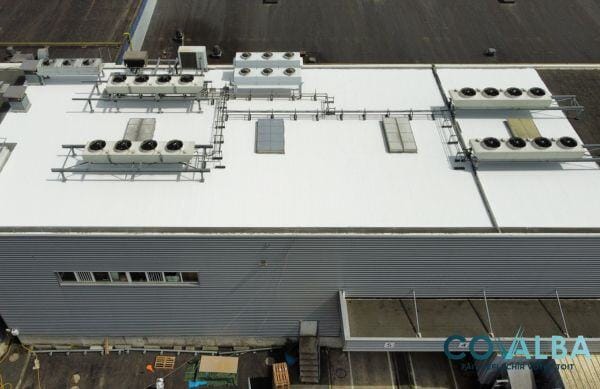
Installation du revêtement CovaSeal sur l'étanchéité bitumineuse.
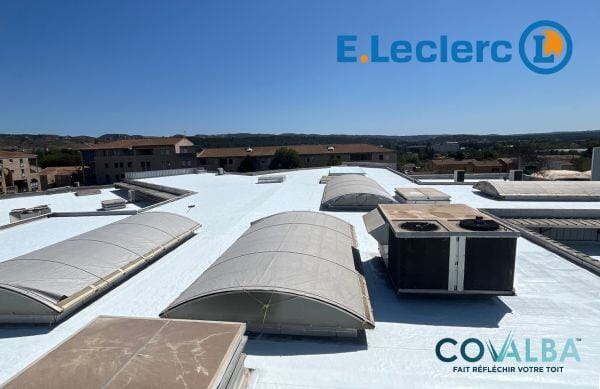
Installation du revêtement réflectif CovaSeal 20 sur l'étanchéité bitumineuse.
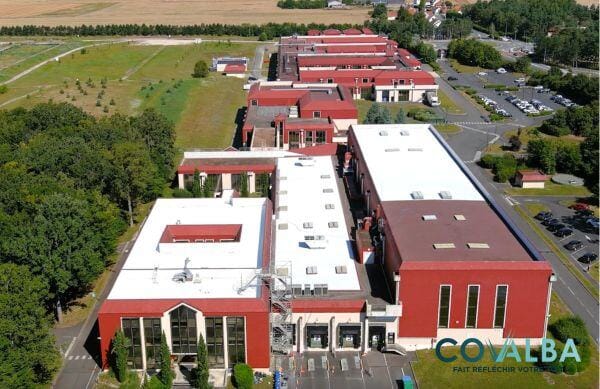
Installation de la peinture réflective CovaTherm SRI=119 sur l'étanchéité bitumineuse.
Voir le cas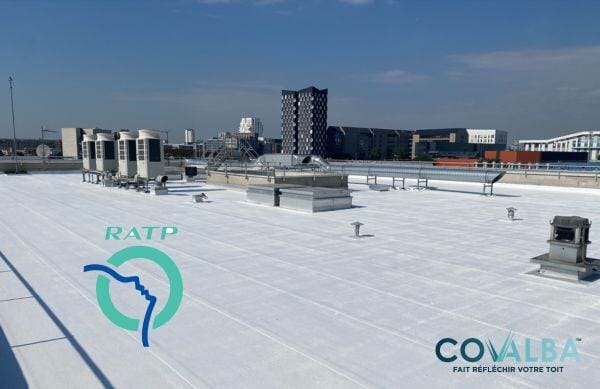
Installation de la peinture réflective CovaTherm SRI=119 sur l'étanchéité bitumineuse.
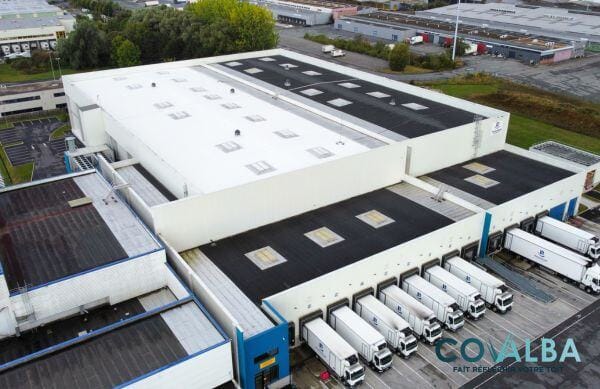
Installation de la peinture réflective CovaTherm SRI=119 sur l'étanchéité bitumineuse.
Installation de la peinture réflective CovaTherm SRI=119 sur l'étanchéité bitumineuse.
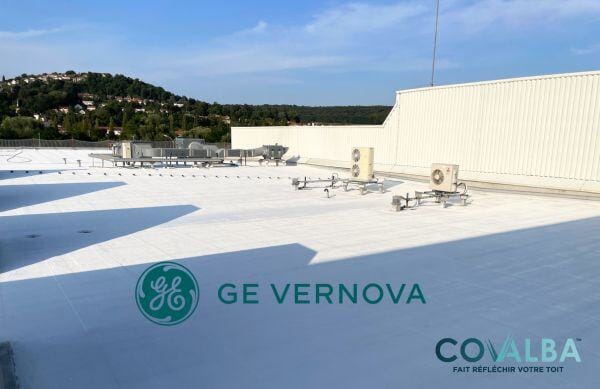
Installation du revêtement réflectif CovaSeal 20 sur l'étanchéité bitumineuse.
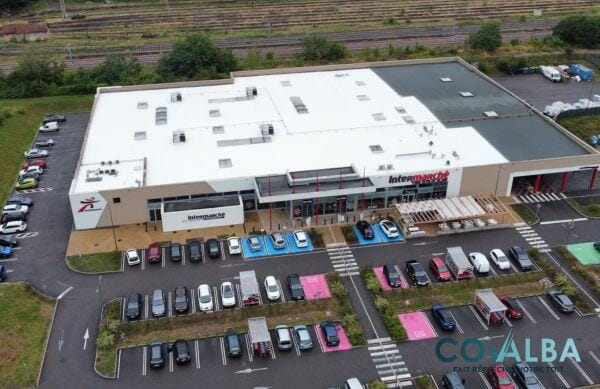
Installation de la peinture réflective CovaTherm SRI=119 sur l'étanchéité bitumineuse.
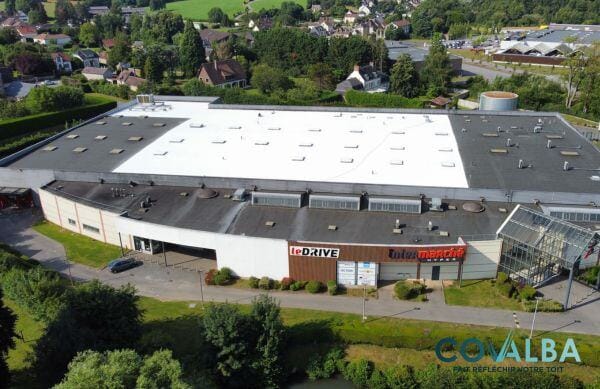
Installation de la peinture réflective CovaTherm SRI=119 sur l'étanchéité bitumineuse.
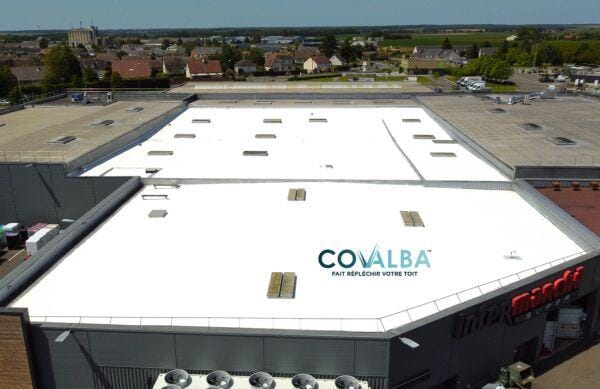
Installation de la peinture réflective CovaTherm SRI=119 sur l'étanchéité bitumineuse.
Voir le cas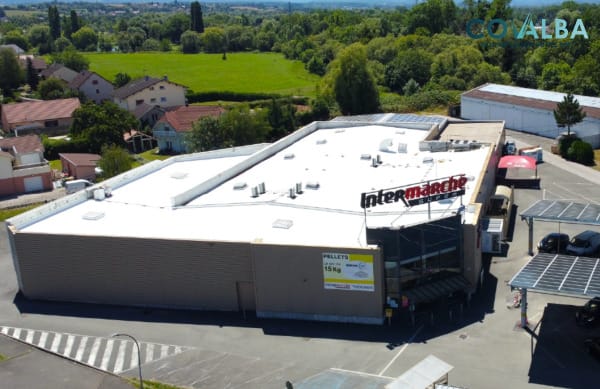
Installation de la peinture réflective CovaTherm SRI=119 sur l'étanchéité bitumineuse.
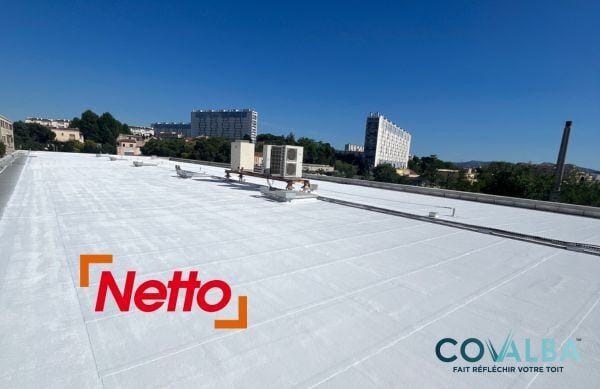
Installation de la peinture réflective CovaTherm 20 sur les toitures bac acier.
Installation de la peinture réflective CovaTherm SRI=119 sur la toiture zinc.
Voir le cas
Installation de la peinture réflective CovaTherm 8 sur l'étanchéité bitumineuse.
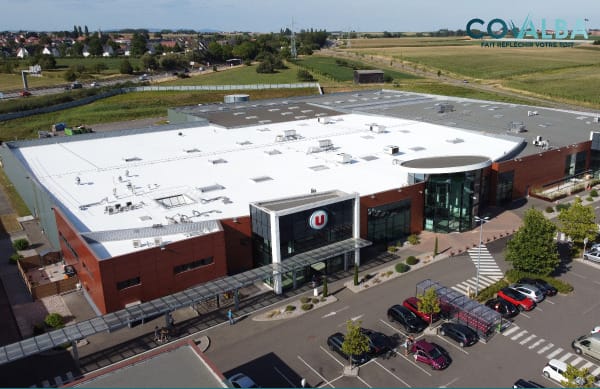
Installation de la peinture réflective CovaTherm SRI=119 sur l'étanchéité bitumineuse.
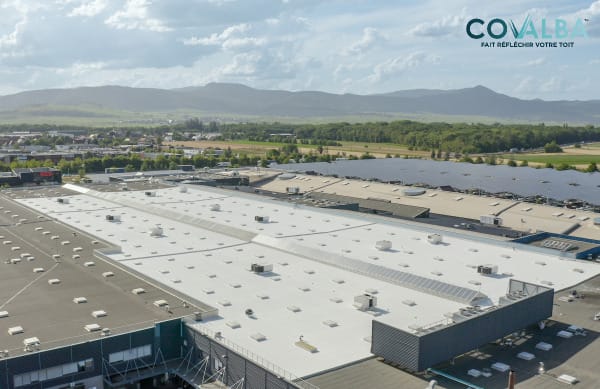
Installation de la peinture réflective CovaTherm SRI=119 sur l'étanchéité bitumineuse.
Voir le cas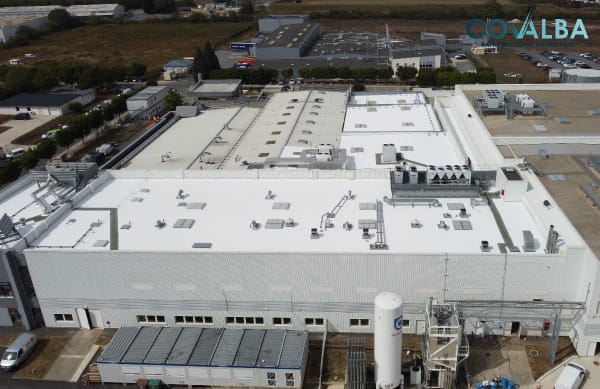
Installation de la peinture réflective CovaTherm SRI=119 sur l'étanchéité bitumineuse.
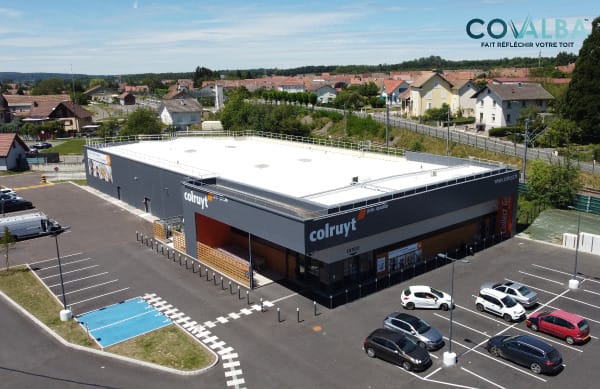
Installation de la peinture réflective CovaTherm SRI=119 sur l'étanchéité bitumineuse.
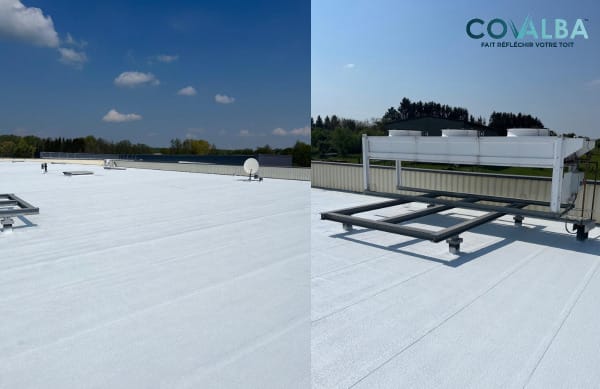
Installation de la peinture réflective CovaTherm 118 sur l'étanchéité bitumineuse.
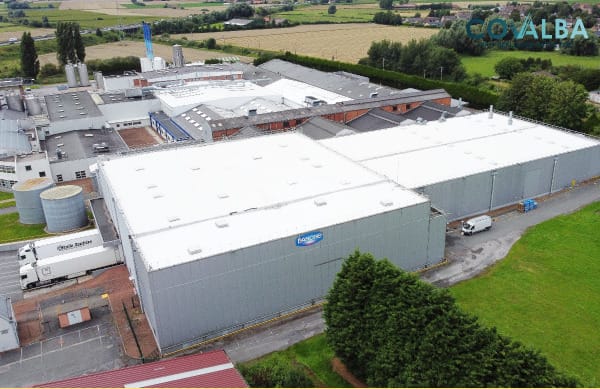
Installation de la peinture réflective CovaTherm SRI=119 sur l'étanchéité bitumineuse. Laquage solaire des lanterneaux.
Voir le cas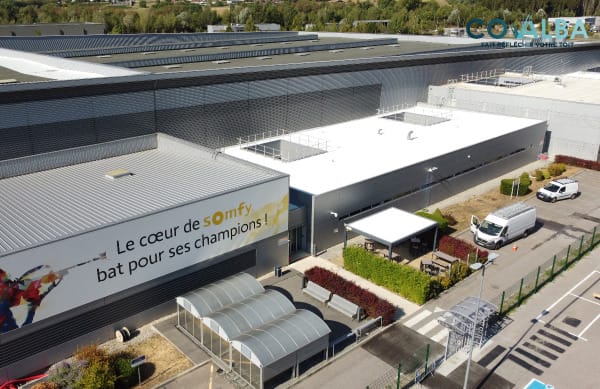
Installation de la peinture réflective CovaTherm SRI=119 sur l'étanchéité bitumineuse.
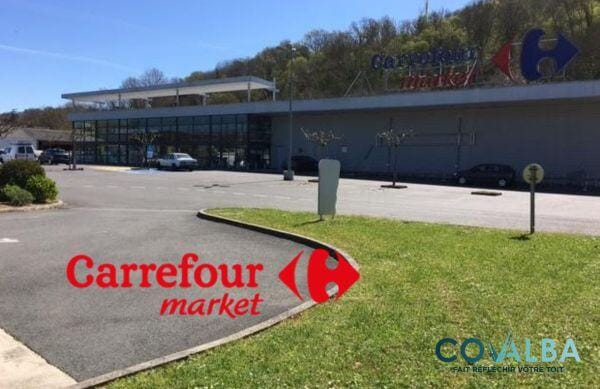
Installation du revêtement réflectif CovaTherm 20 sur l'étanchéité bitumineuse.
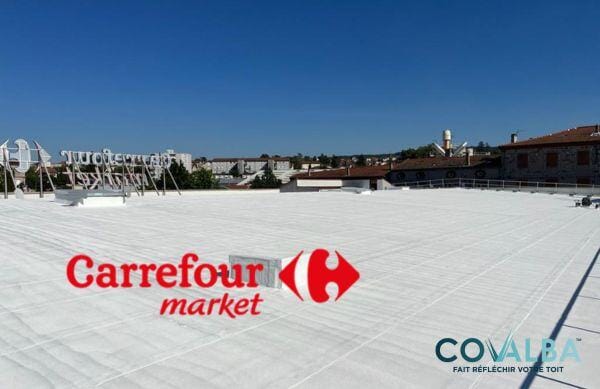
Installation du revêtement réflectif CovaTherm 20 sur l'étanchéité bitumineuse.
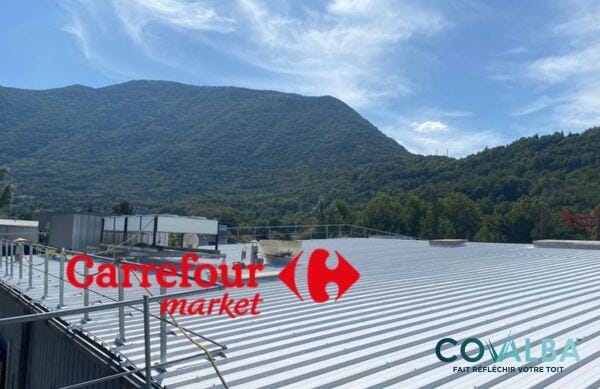
Installation du revêtement réflectif CovaTherm 20 sur l'étanchéité bitumineuse.
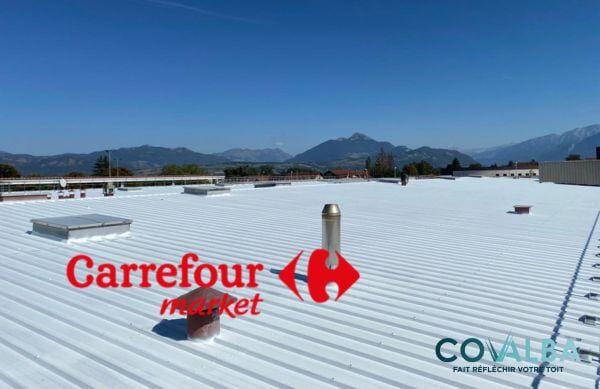
Installation du revêtement réflectif CovaTherm 20 sur l'étanchéité bitumineuse.
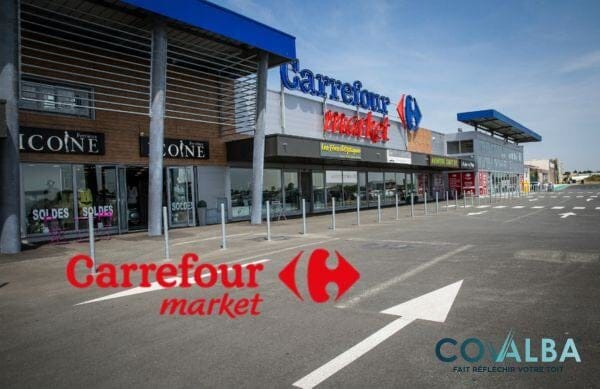
Installation du revêtement réflectif CovaTherm 20 sur l'étanchéité bitumineuse.
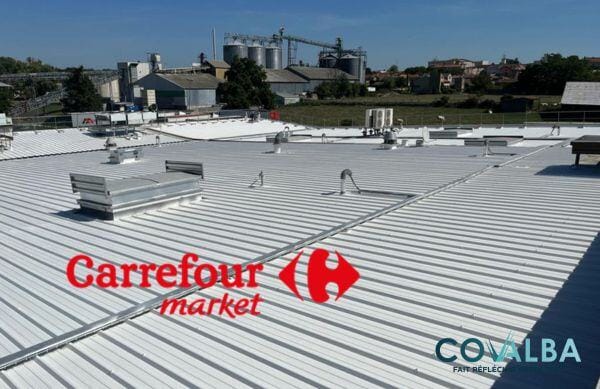
Installation du revêtement réflectif CovaTherm 20 sur l'étanchéité bitumineuse.
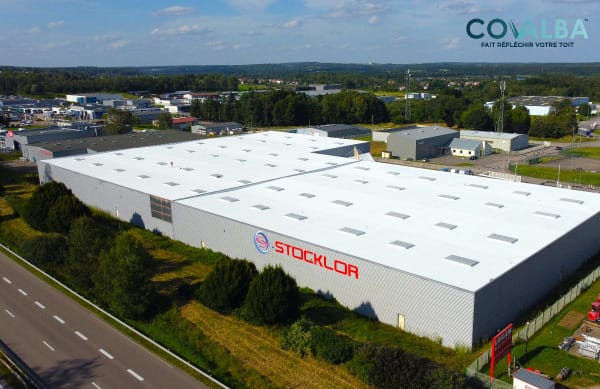
Installation de la peinture réflective CovaTherm SRI=119 sur l'étanchéité bitumineuse
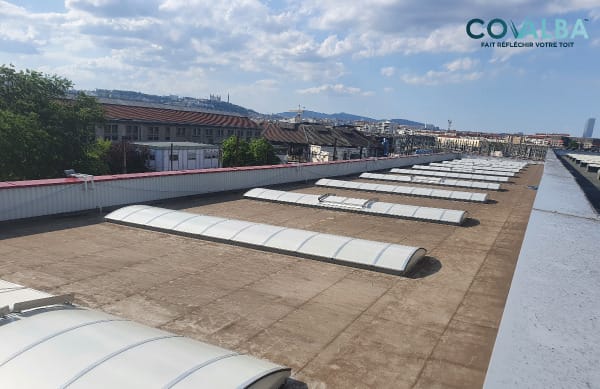
Laquage solaire des voûtes éclairantes d'un technicentre.
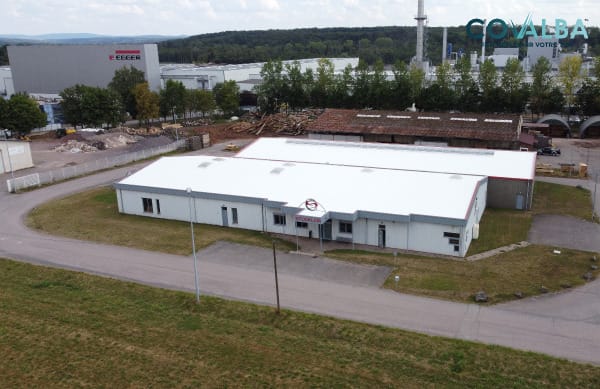
Installation de la peinture réflective CovaTherm SRI=119 sur l'étanchéité bitumineuse
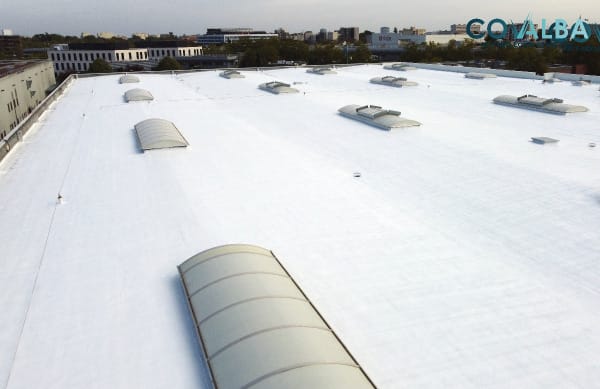
Installation de la peinture réflective CovaTherm SRI=119 sur l'étanchéité bitumineuse.
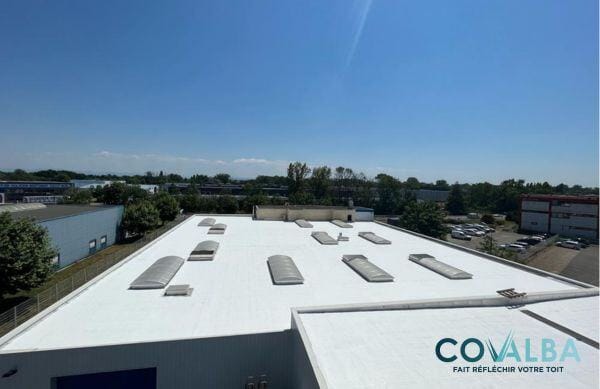
Installation de la peinture réflective CovaTherm SRI=119 sur l'étanchéité bitumineuse.
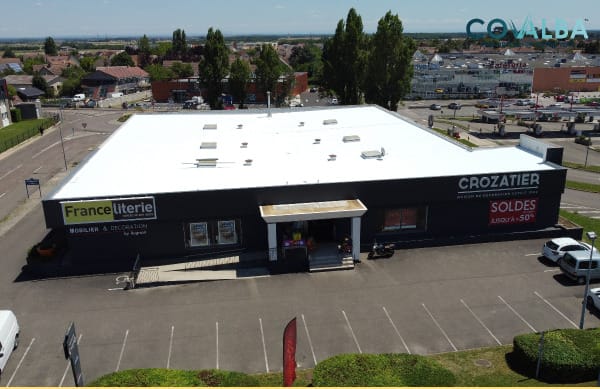
Installation de la peinture réflective CovaTherm SRI=119 sur l'étanchéité bitumineuse.
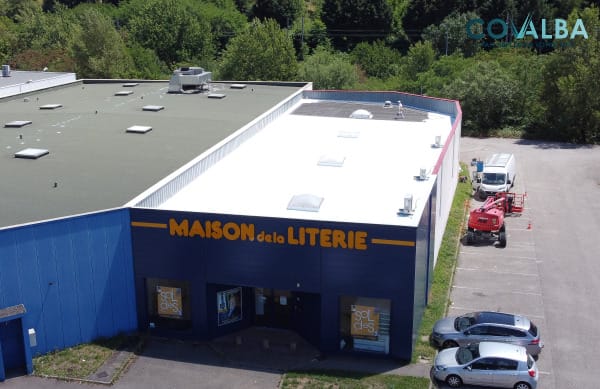
Installation de la peinture réflective CovaTherm SRI=119 sur l'étanchéité bitumineuse.
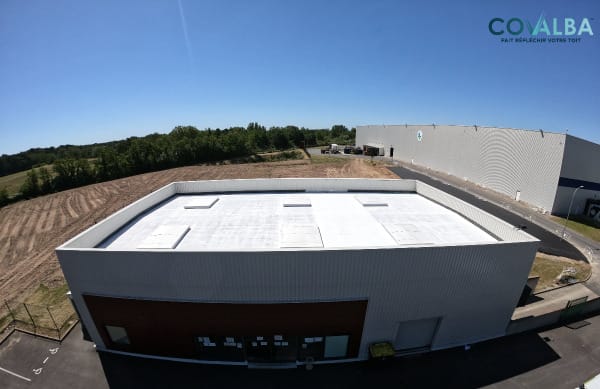
Installation de la peinture réflective CovaTherm SRI=119 sur l'étanchéité bitumineuse. Laquage solaire des voûtes éclairantes et lanterneaux.
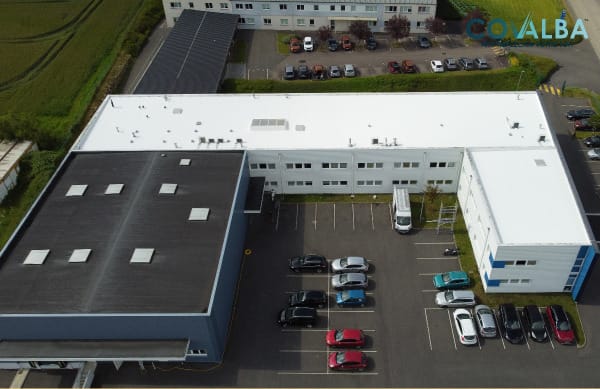
Installation de la peinture réflective CovaTherm SRI=119 sur l'étanchéité bitumineuse
Voir le cas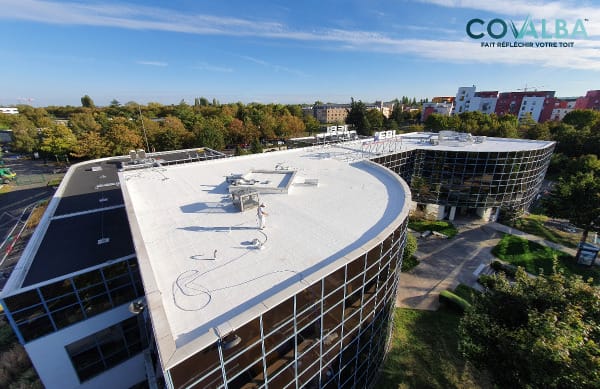
Installation de la peinture réflective CovaTherm SRI=119 sur l'étanchéité bitumineuse
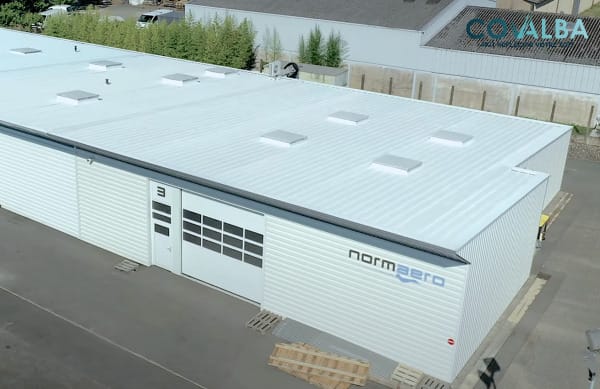
Installation de la peinture réflective CovaTherm SRI=119 sur une toiture bac acier.
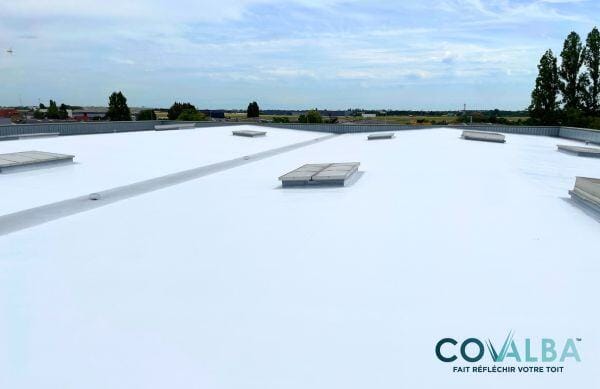
Installation du revêtement réflectif CovaSeal 20 sur l'étanchéité PVC.
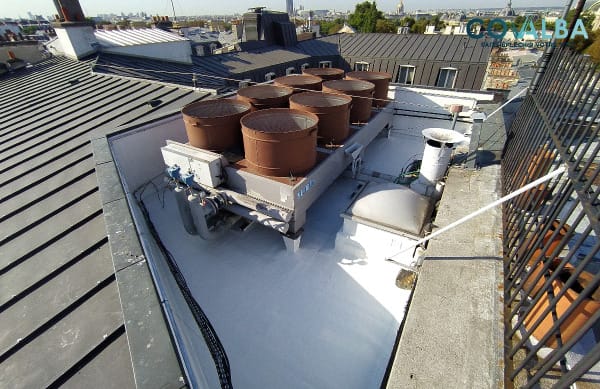
Installation de la peinture réfléchissante CovaTherm SRI=119 sur une étanchéité bitumineuse.
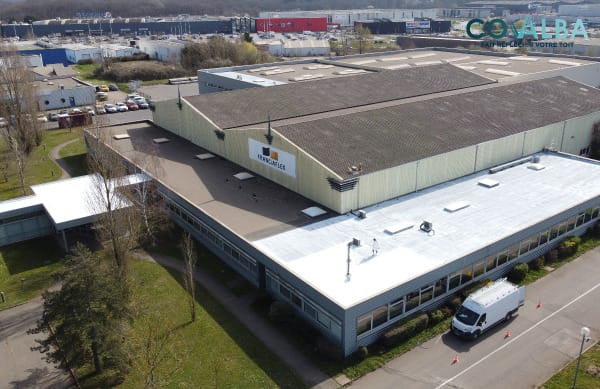
Installation de la peinture réflective CovaTherm SRI=119 sur l'étanchéité bitumineuse. Laquage solaire des voûtes éclairantes et lanterneaux.
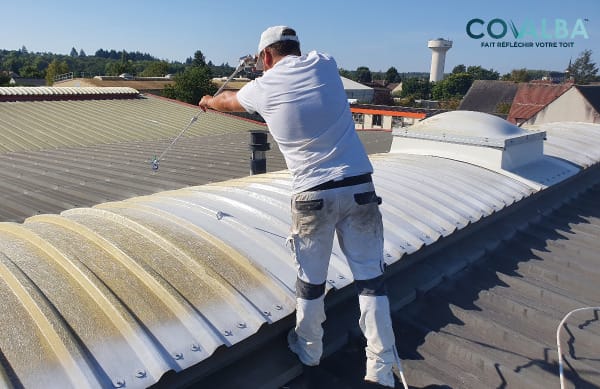
Laquage solaire des voûtes éclairantes.
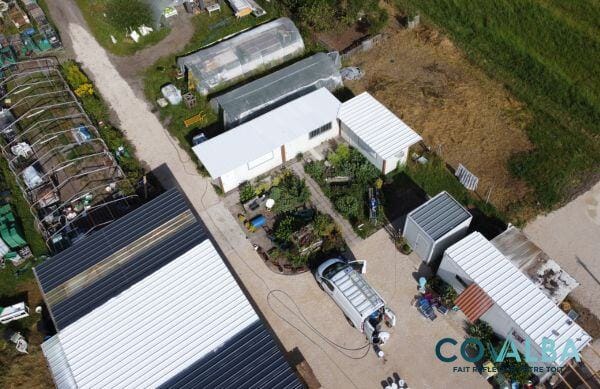
Installation de la peinture réflective CovaTherm 8 sur les toitures bac acier.
Ils économisent déjà avec Covalba
FAQ
What facility directors and technical managers ask us most often.
Yes. Everything happens on the roof: the machines stay on the ground, only the hoses go up. No stripping, no interior scaffolding, no access to bedrooms, theatres or care corridors. Inpatient units, emergency departments and catering keep running during the application.
The coating is sprayed from the outside, with no cutting and no torching of the membrane. The noisiest step remains high-pressure cleaning of the substrate: we schedule it with you, ward by ward. Fresh-air intakes are identified during the survey, then protected throughout the operation, to limit any odour inside the buildings.
Yes, and the gain shows even more. Without air conditioning, the heat absorbed by the roof goes straight into the upper floors and stays there at night. The coating reflects up to 94% of solar radiation and lowers the temperature under the roof by 8 to 10 °C in summer, without installing a single chiller.
Flat roofs in bituminous membrane or EPDM, very common on hospital buildings, and the steel deck of recent extensions. Concrete and fibre cement can also be treated. The survey confirms the condition of the substrate and the right system: CovaSeal 20 on tired waterproofing, CovaTherm on a sound membrane, CovaMetal 20 on steel deck.
A public facility draws on the Fonds Vert, whose energy renovation and summer comfort strand can cover part of the operation. A private clinic or laboratory falls under the CEE premium, BAT-EN-112 sheet on reflective roof coatings. In both cases the file is opened before the works are signed.
The polyurethane system with a finishing varnish lasts 8 to 10 years, against 2 to 5 years for the acrylics on the market. Budget €20 to €22/m² supplied and applied, while a new membrane costs €80 to €100/m² and a full insulation and waterproofing rebuild around €150/m². The roof replacement is pushed back by 8 to 10 years.
Request a tailored study: we quantify the temperature drop, the cooling savings and the funding available for your facility. The works stay 100% roof-side.
A hospital, a clinic or a care home houses vulnerable people day and night, all summer long. The roof largely decides the temperature of the upper floors.
The roof is the most exposed surface of a facility. A dark membrane absorbs solar radiation, heats up and releases that heat towards the floors it covers, usually bedrooms and technical areas. Where air conditioning exists, it offsets continuously and cooling consumption climbs all summer. Where there is none, the heat settles into the rooms and does not leave at night. A reflective coating reverses that behaviour: it sends back up to 94% of the radiation instead of storing it, and lowers the temperature under the roof by 8 to 10 °C.
Older people, infants, patients under treatment and the chronically ill regulate their body temperature poorly. A bedroom that does not cool down at night extends the exposure and complicates care. The same heatwaves drive activity up in emergency departments. In healthcare, summer comfort is a matter of safety for the people you host and of organisation for the teams. Acting on the building envelope produces an immediate effect, without adding equipment to operate or maintain.
The hospital estate is dominated by the flat bituminous membrane roof, often old and already recoated. 80% of Covalba projects are on bituminous membranes over ten years old. EPDM and PVC are also found on more recent buildings, and steel deck on extensions, logistics blocks and covered car parks. Each substrate calls for a different system: CovaSeal 20 when the waterproofing is tired, CovaTherm on a sound membrane, CovaMetal 20 on steel deck.
This constraint holds back many re-roofing projects. Stripping the waterproofing means noise, closed-off zones and sometimes moving whole units. Cool roof is sprayed from the outside: the machines stay on the ground, only the hoses go up, with no cutting, no torching and no rubble. Our teams stay on the roof from start to finish. The works take a few days to a few weeks depending on the area, and the noisy phases are agreed with the director of care.
It all depends on the status of the facility. A public facility can draw on the Fonds Vert, the French green fund, for energy renovation and summer comfort. Our public sector page details that strand and the public procurement logic. A clinic, a laboratory or a private residence falls under the CEE premium, the French energy-saving certificates, through the BAT-EN-112 sheet on reflective roof coatings. One condition: the file must be opened before the works are signed. The décret tertiaire, the French tertiary decree, also applies to tertiary buildings, healthcare facilities included: -30% of final energy consumption by 2030, with an annual declaration on the OPERAT platform.
French labour law sets no maximum temperature beyond which work stops. It does require the employer to assess the risk linked to heat and to take the measures that protect employees. In a healthcare facility, those measures quickly collide with service continuity: you do not postpone an operating theatre and you do not push back a meal round. Treating the envelope acts upstream, on the cause, and benefits care staff as much as patients. Once applied, it also asks nothing of the daily organisation.