Industrie
Usine d'embouteillage (confidentiel), France
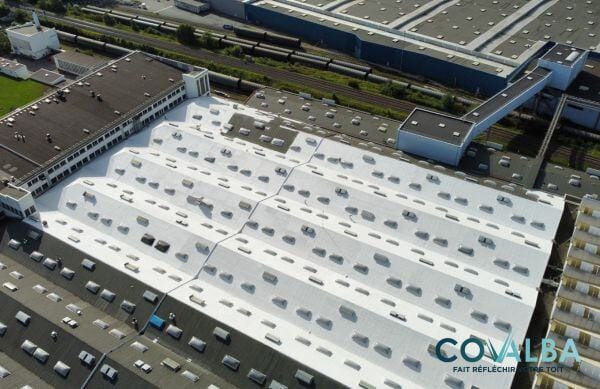
Installation du revêtement réflectif CovaSeal 20 sur l'étanchéité bitumineuse.
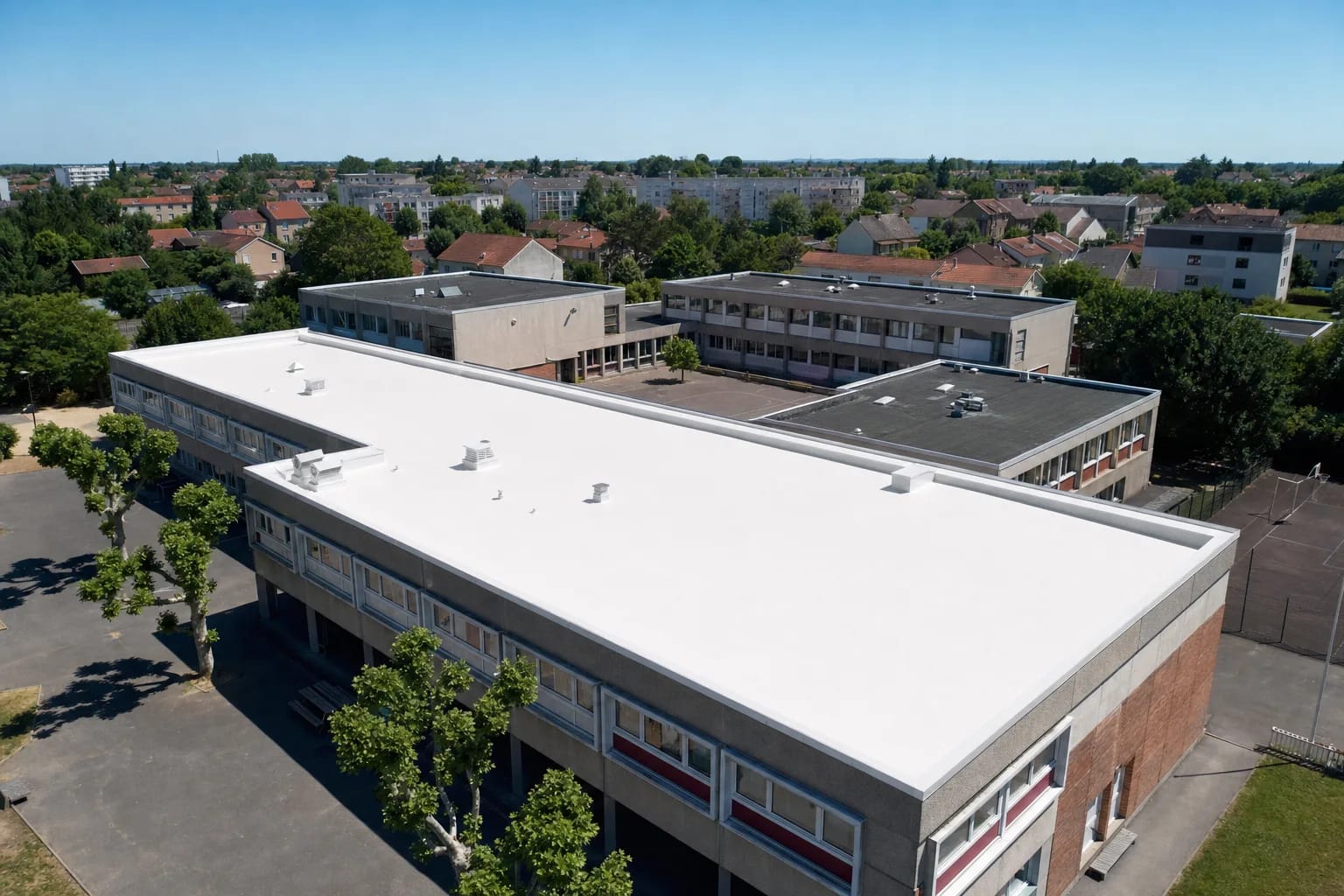
Cool roof for schools and education
Your classrooms stay bearable in June and September. The works take place during the holidays.
-8 to -10 °C
under the roof in summer
up to 94%
of radiation reflected
0 day
of teaching lost
Ils économisent déjà avec Covalba












Why act
Heat peaks arrive while pupils are in class. Under a dark roof, classrooms quickly become hard to occupy.
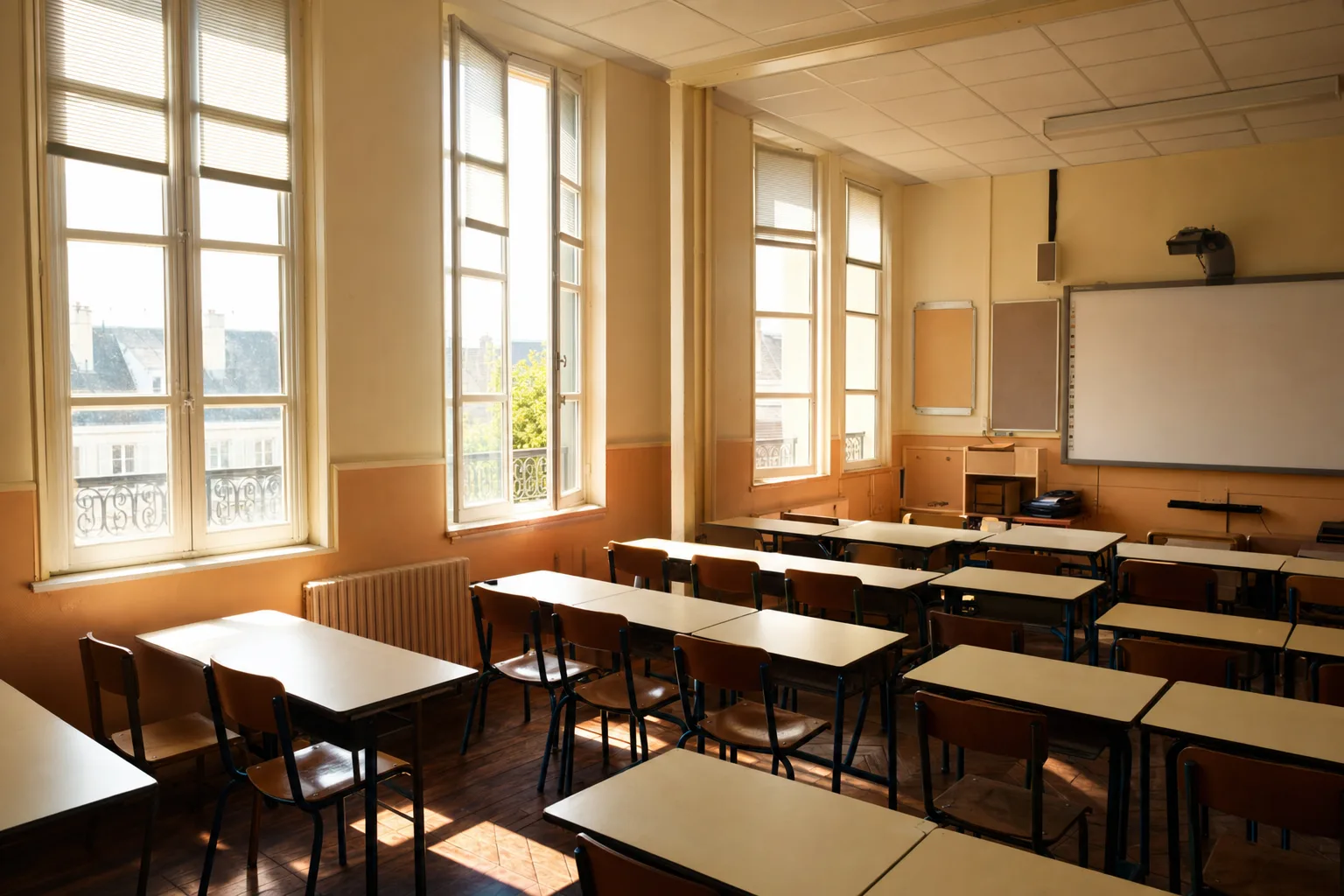
Top-floor rooms warm up from the morning onwards and never cool down during the day.
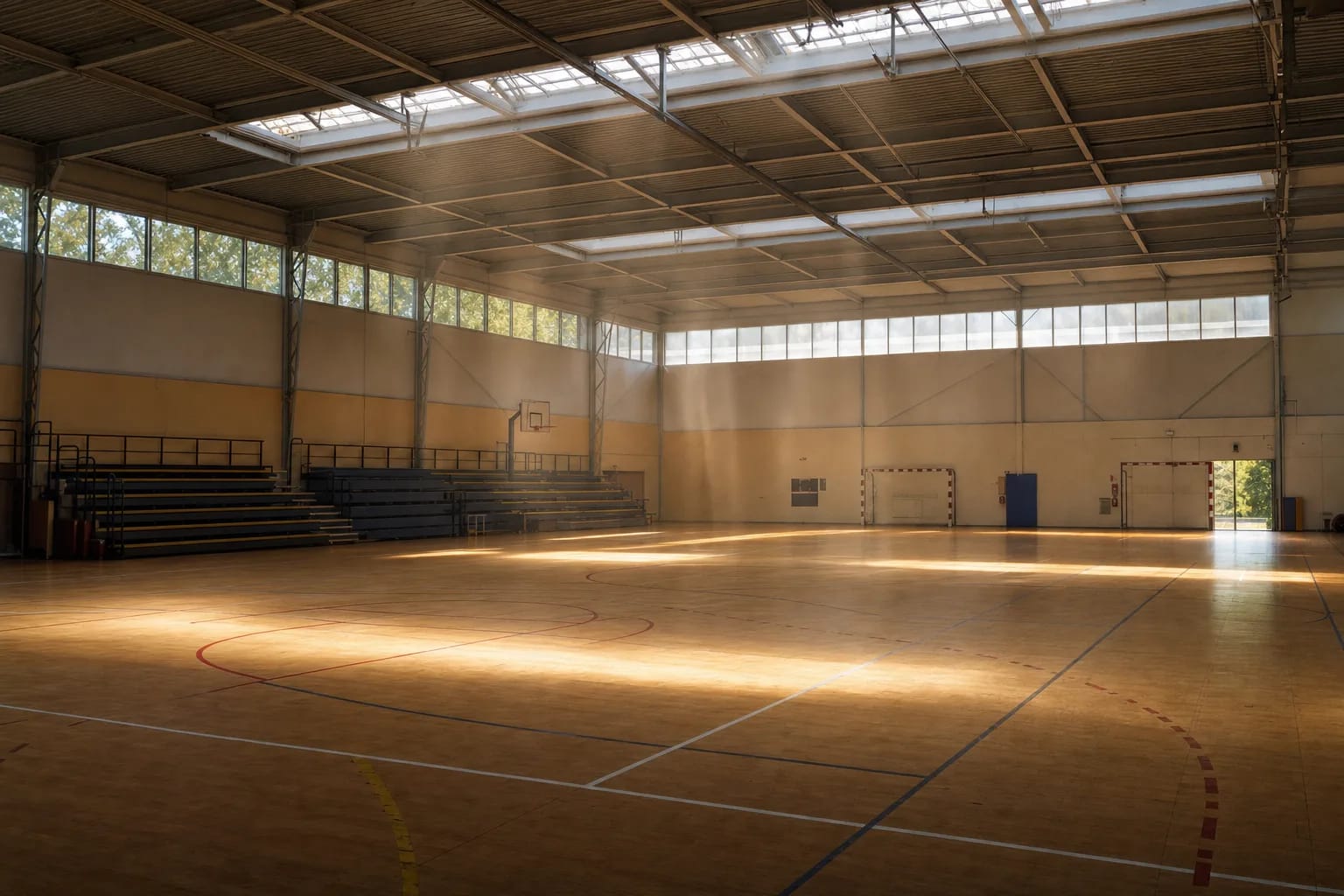
Children cope badly with heat, in class as in the gym. Teachers and staff work in rooms that nothing cools down.
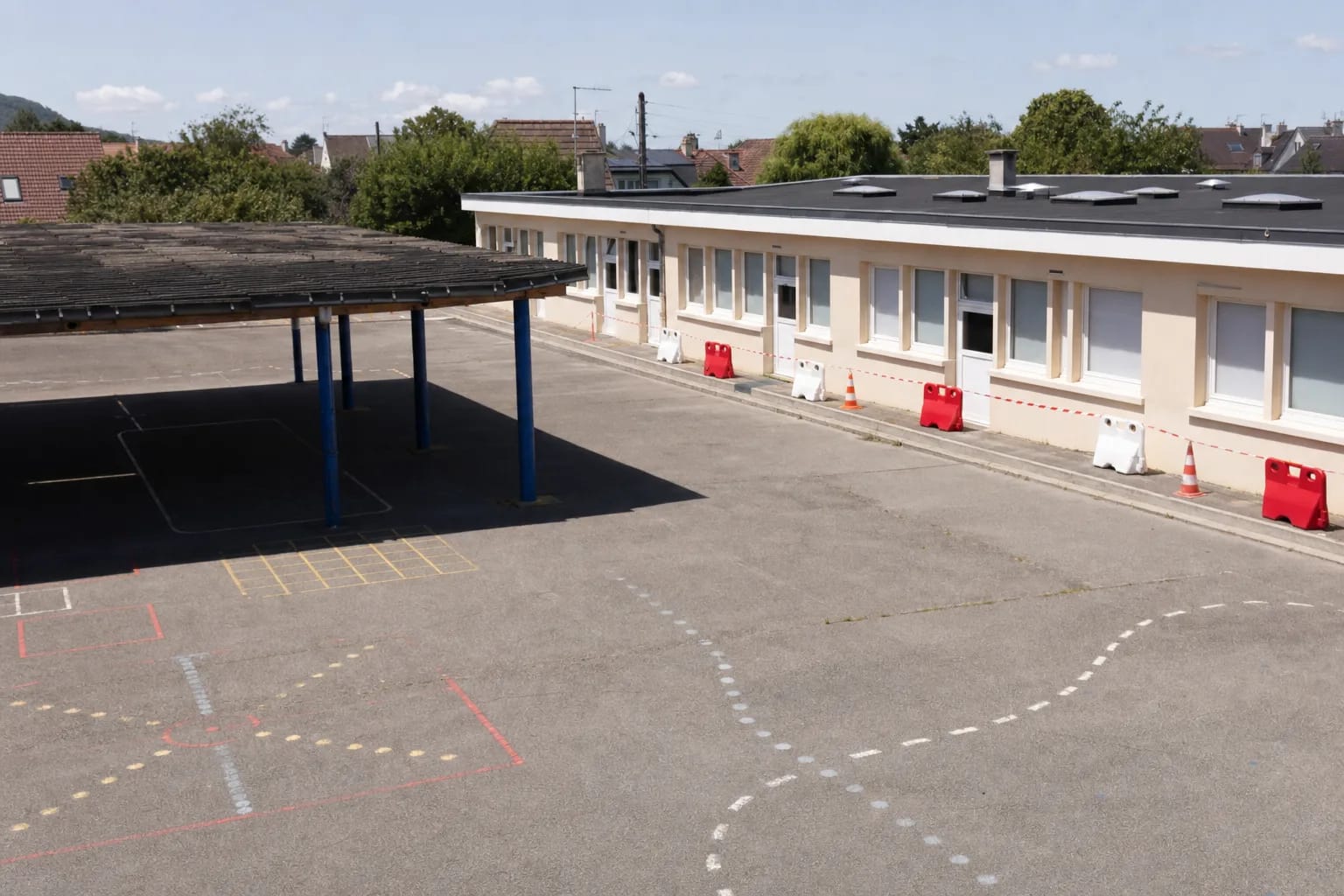
Works must fit inside the school holidays and leave the building ready for the new term.
The roof is the item you can act on fastest.
The Covalba solution
The reflective coating is applied on the existing roof, with no stripping and no heavy works. The roof stays close to air temperature, and the rooms below follow.
On a public estate, how long the coating lasts matters as much as the installation price.
Durability
A local authority does not reopen a roof site every three years. A standard acrylic coating loses its reflectivity fast and forces an early rework.
| Standard acrylic coating | Covalba polyurethane system | |
|---|---|---|
| Low install price | Predictable service life for a public budget | |
| Price per m² | ~€15 | €20-22 |
| Service life | 2-5 years | 8-10 years |
| 10 years | €25-30 | €20-22 |
| Reflectivity drops fast | Durable polyurethane resin | |
| Chalking and yellowing | Anti-UV finishing topcoat | |
| More frequent reapplication | Reflectivity kept longer |
Price per m²
Service life
10 years
-
-
-
The polyurethane system with a finishing topcoat (CovaTherm) lasts 8 to 10 years, against 2 to 5 years for the acrylics on the market. It also protects the membrane from UV and pushes the roof replacement back by as much.
Funding
The budget for a cool roof stays modest against a full roof replacement. Three markers help build the case.
Local authorities are not eligible for the CEE BAT-EN-112 grant (French energy saving certificates), which is reserved for tertiary and industrial buildings. A private school or a campus under tertiary status can look into it.
What you gain
Cool roof sends the sun back and lowers the temperature of the rooms sitting right under it.
-8 to -10 °C
under the roof in summer
From the first summer
Less heat transmitted to top-floor rooms during heat peaks.
The gain also applies in the gym and the canteen, for children and adults alike.
Where air conditioning exists, up to 40% less cooling on the share linked to the roof.
The coating protects the membrane from UV and pushes back a heavy roof refurbishment.
Here are the school buildings where the gain is clearest.
Your buildings
Primary schools, secondary schools, gyms, canteens and campuses have one thing in common. A large exposed roof covers rooms that are occupied and rarely air-conditioned.
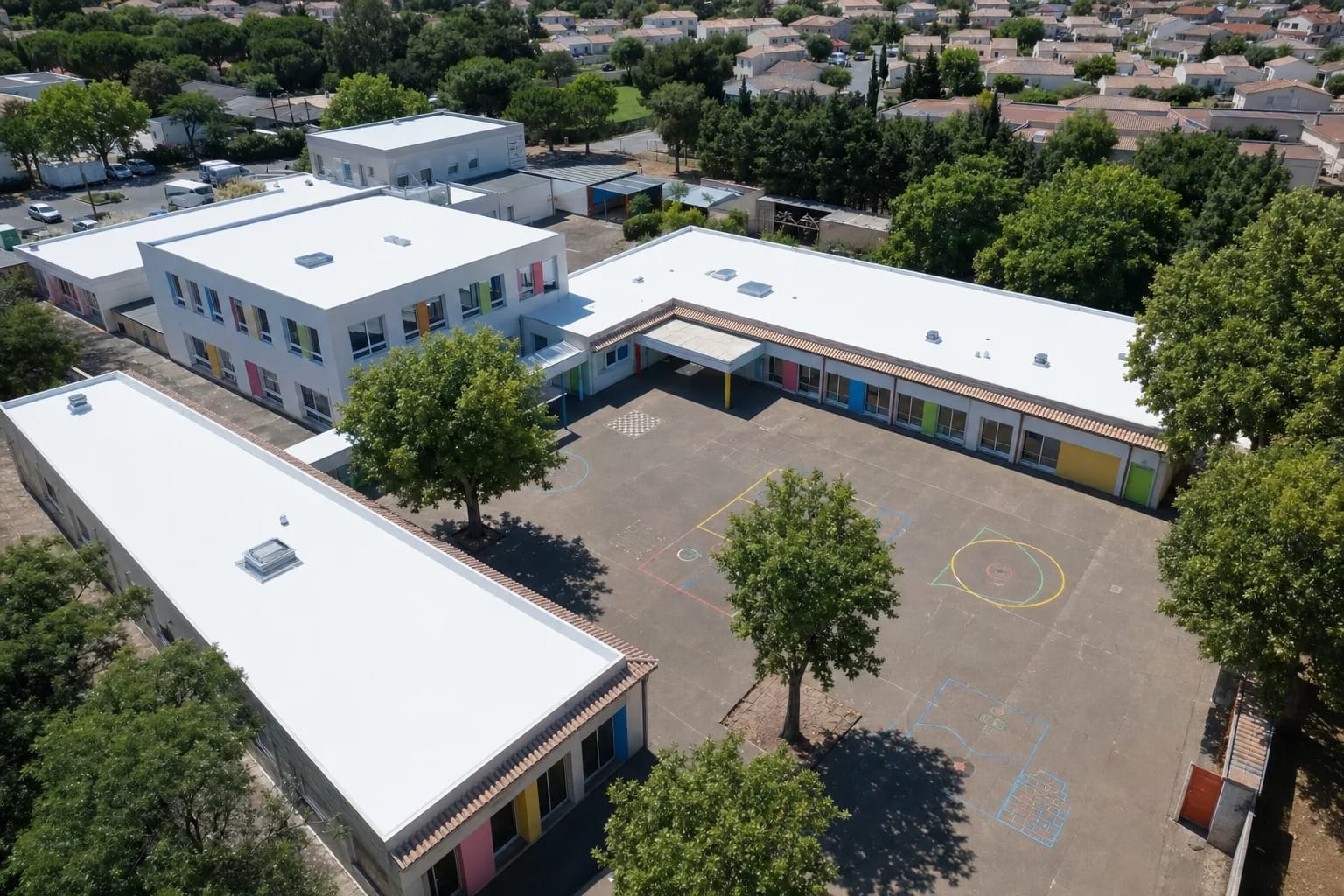
Rooms occupied all day under an exposed flat roof. Works during the holidays.
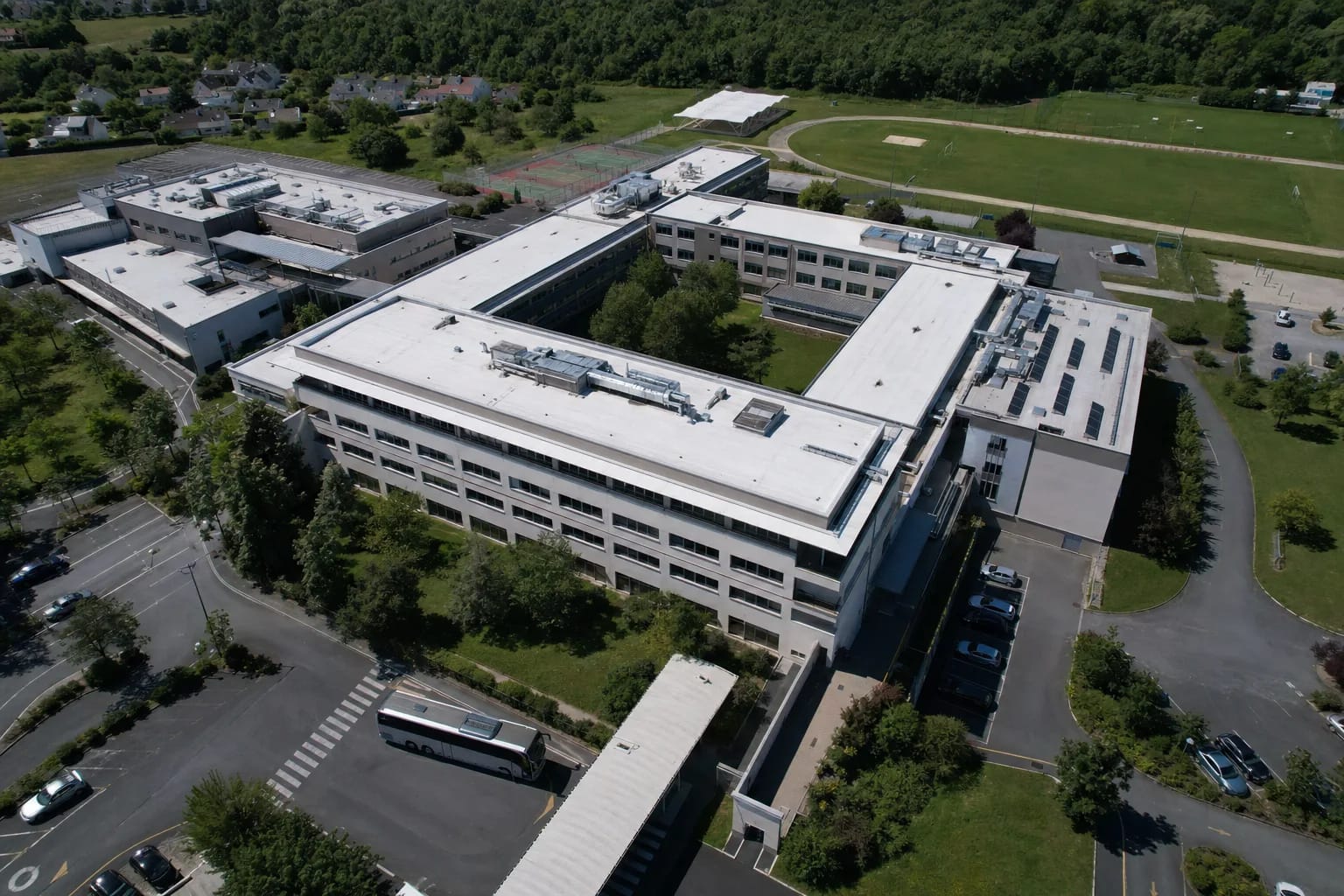
Large complexes managed by the department or the region, often treated building by building.
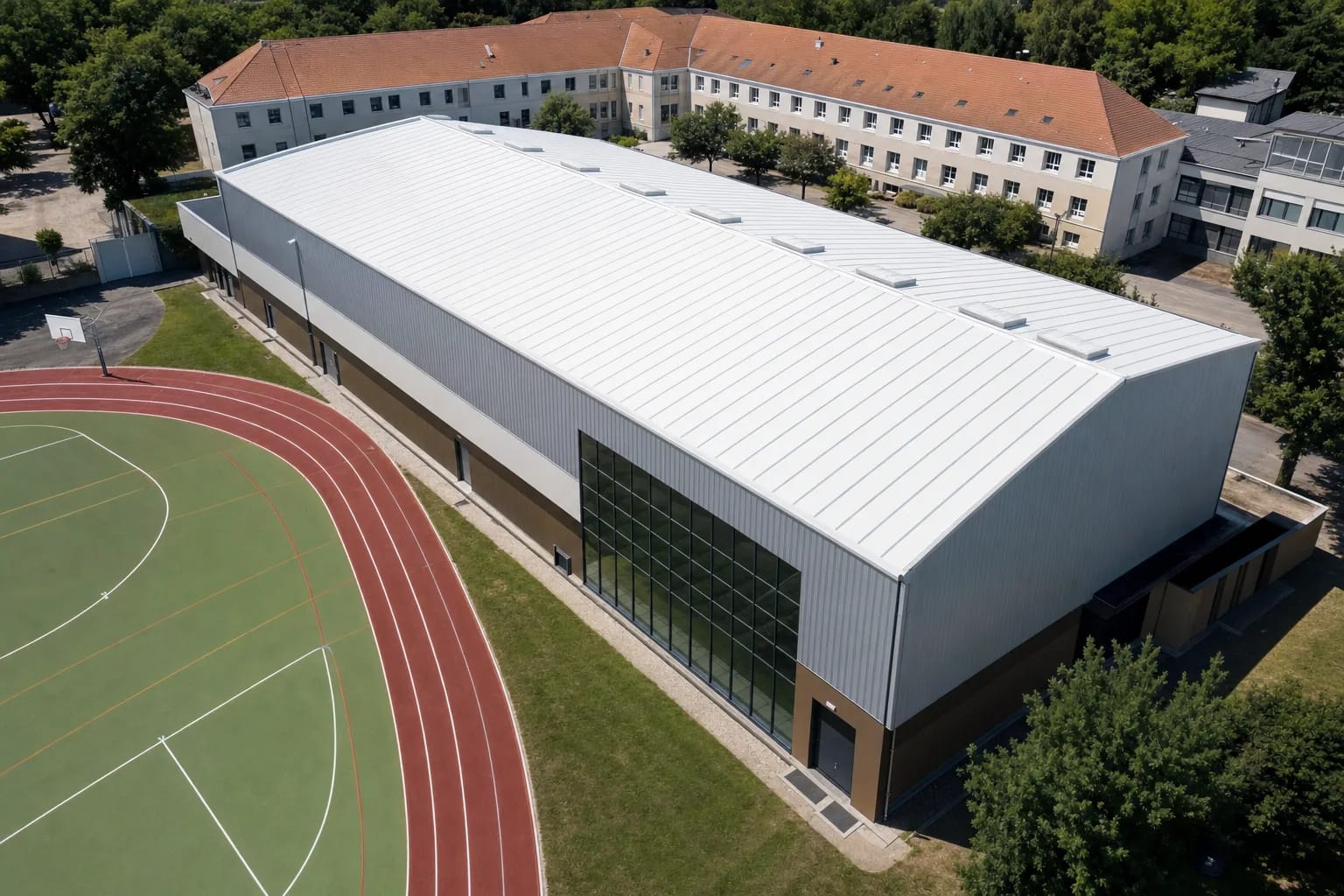
Large unconditioned volumes that heat up quickly and restrict physical activity.
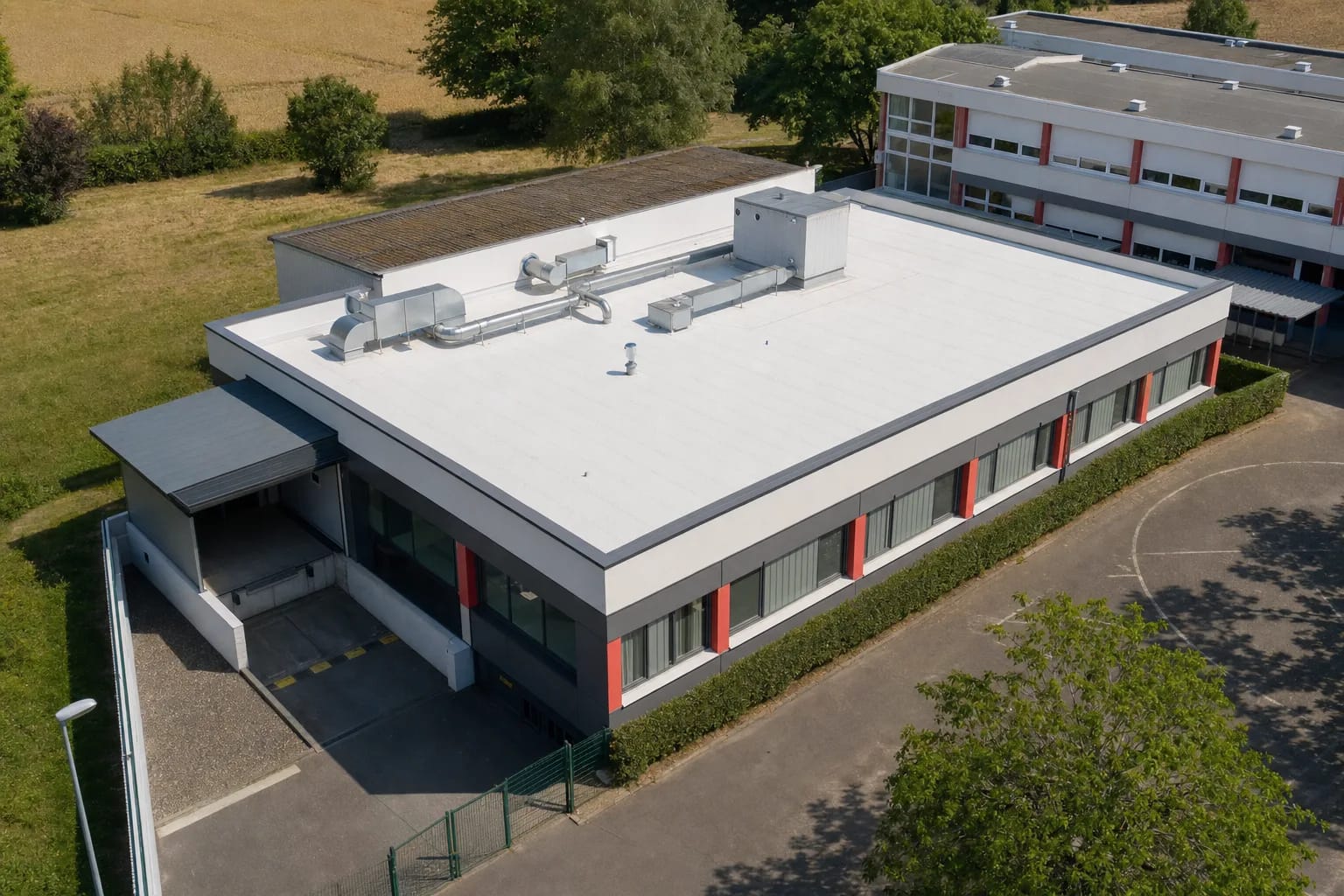
Kitchens and serving areas that combine sun on the roof with heat from the ovens.
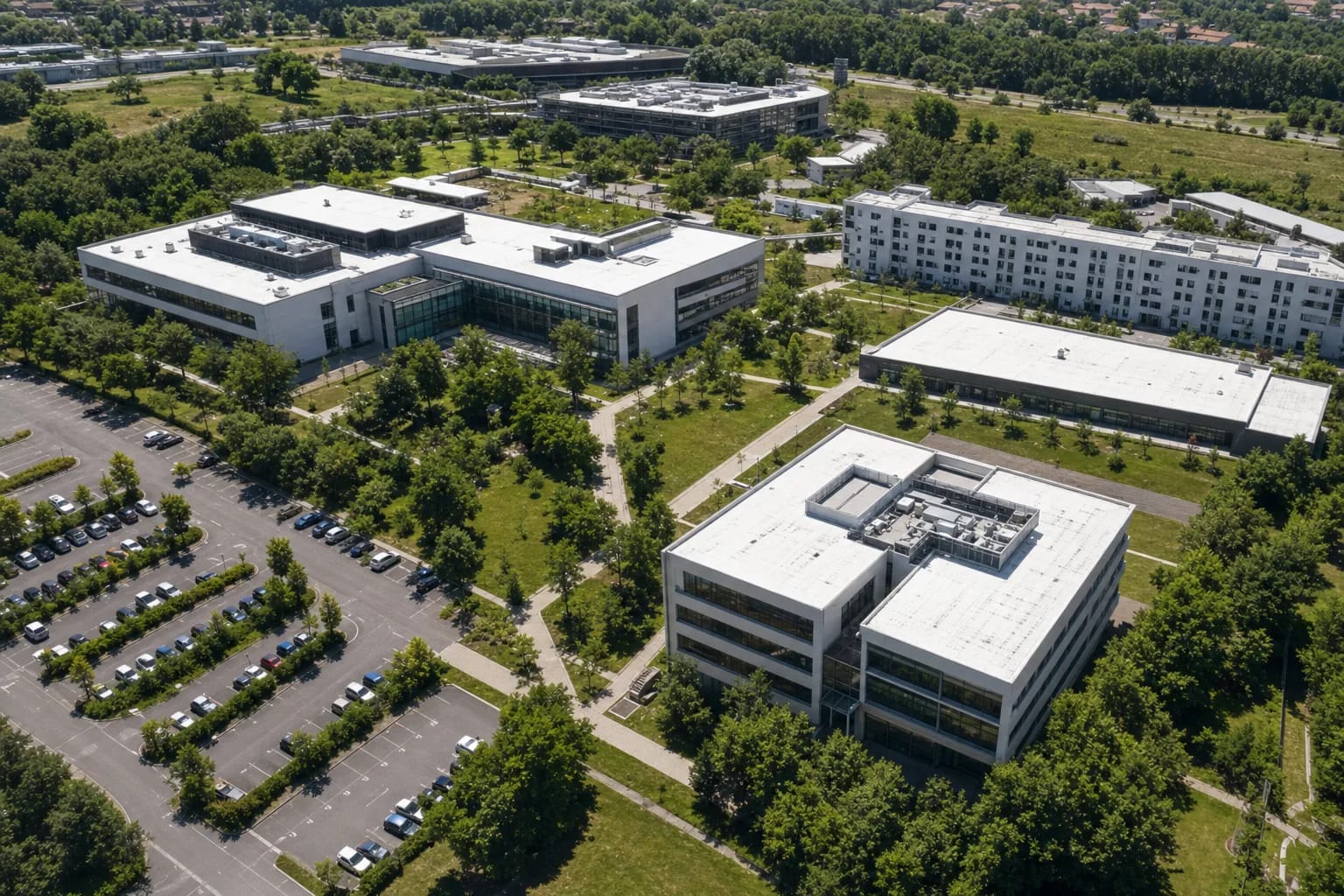
Lecture halls, laboratories and halls of residence occupied into July and from late August.
That leaves the works to organise, without disrupting the school.
A controlled operation
Everything happens on the roof, from the outside. We agree the schedule with the technical department and the bursar before the first visit.
Voir la vidéoWe survey the roof, its condition and its access with the technical department of the authority or the school.
We choose the holiday period, the working hours and the ground marking together.
High-pressure cleaning, then spray application of the coating. The machines stay on the ground, only the hoses go up.
We check the film for uniformity, then hand over the photographs and the follow-up records.
A few days to a few weeks depending on the surface · Building handed back before the new term
Concrete results
These figures come from our temperature readings and from the feedback of the property owners we have equipped.
500+
projects delivered
8 to 10 years
of coating service life
-8 to -10 °C
under the roof in summer
Installation du revêtement réflectif CovaSeal 20 sur l'étanchéité bitumineuse.
Installation de la peinture réflective CovaTherm 8 sur l'étanchéité bitumineuse.
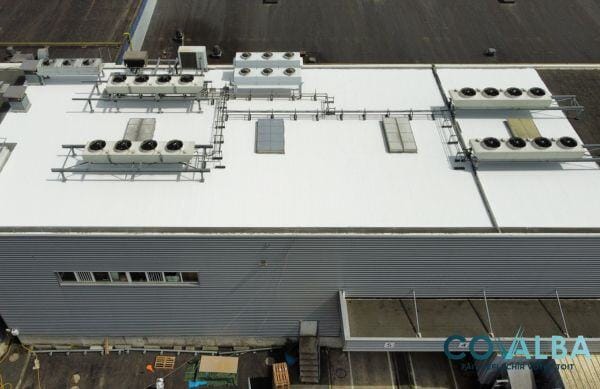
Installation du revêtement CovaSeal sur l'étanchéité bitumineuse.
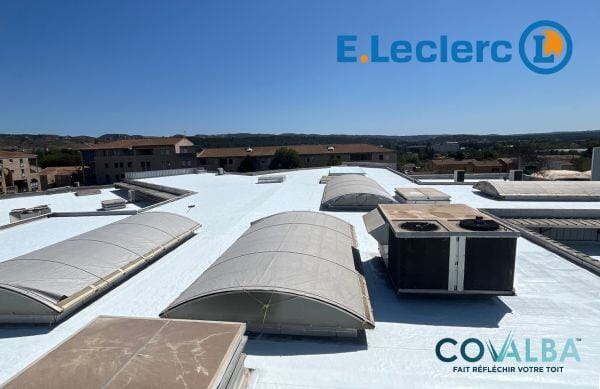
Installation du revêtement réflectif CovaSeal 20 sur l'étanchéité bitumineuse.
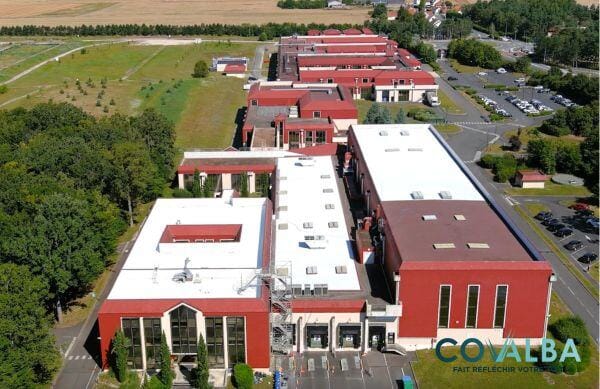
Installation de la peinture réflective CovaTherm SRI=119 sur l'étanchéité bitumineuse.
Voir le cas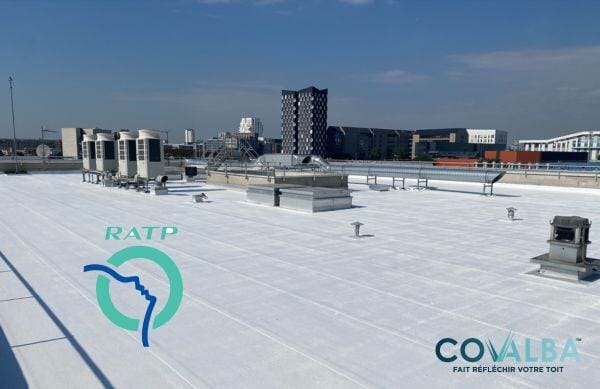
Installation de la peinture réflective CovaTherm SRI=119 sur l'étanchéité bitumineuse.
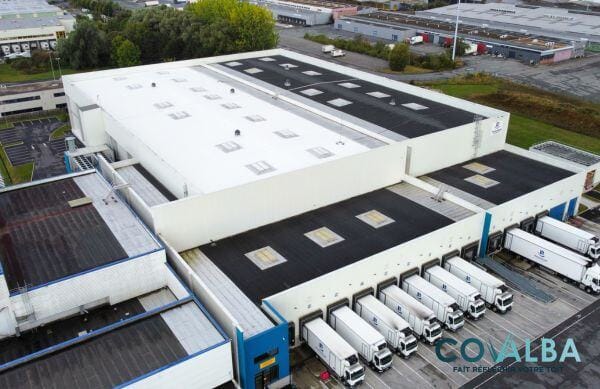
Installation de la peinture réflective CovaTherm SRI=119 sur l'étanchéité bitumineuse.
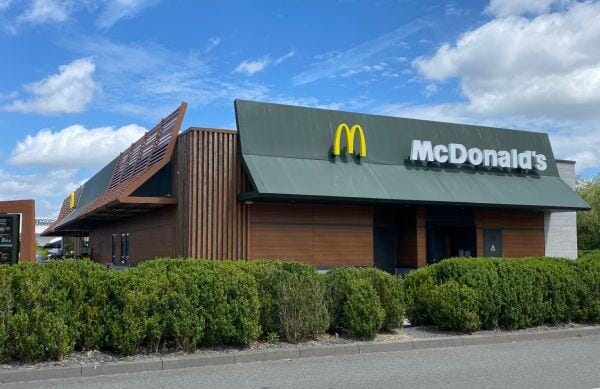
Installation de la peinture réflective CovaTherm SRI=119 sur l'étanchéité bitumineuse.
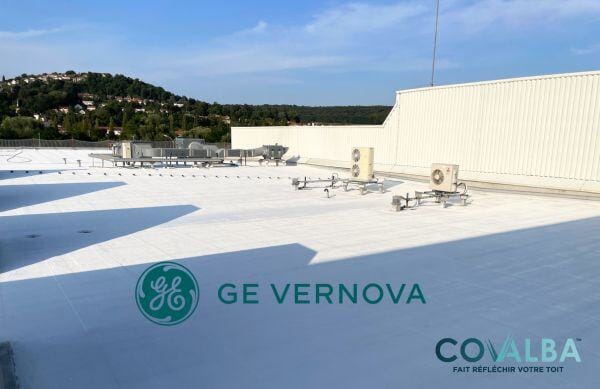
Installation du revêtement réflectif CovaSeal 20 sur l'étanchéité bitumineuse.
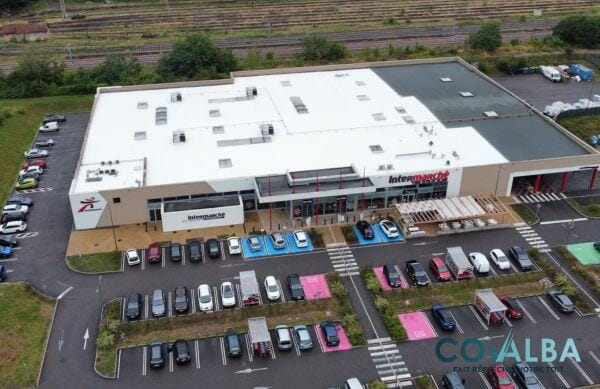
Installation de la peinture réflective CovaTherm SRI=119 sur l'étanchéité bitumineuse.
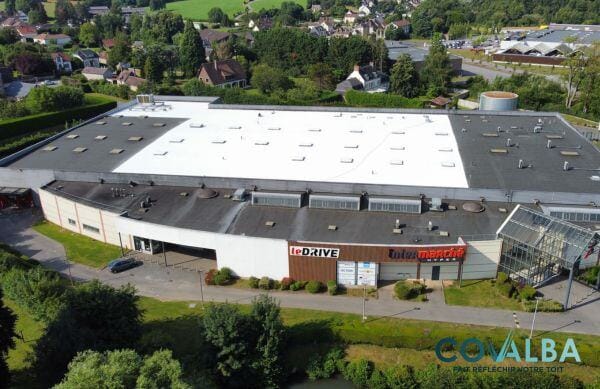
Installation de la peinture réflective CovaTherm SRI=119 sur l'étanchéité bitumineuse.
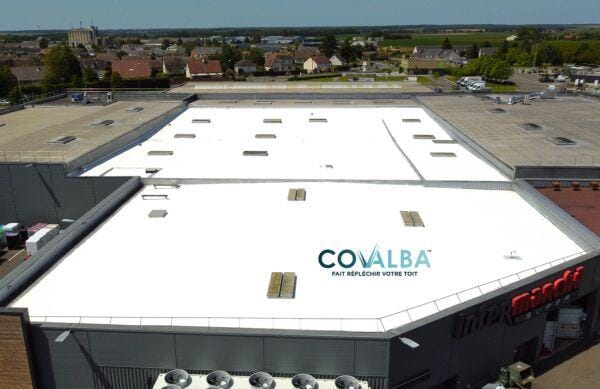
Installation de la peinture réflective CovaTherm SRI=119 sur l'étanchéité bitumineuse.
Voir le cas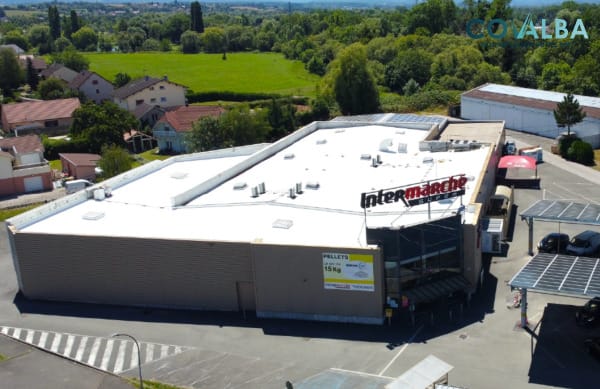
Installation de la peinture réflective CovaTherm SRI=119 sur l'étanchéité bitumineuse.
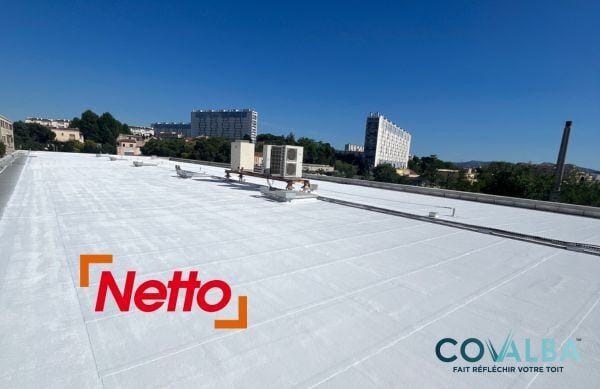
Installation de la peinture réflective CovaTherm 20 sur les toitures bac acier.
Installation de la peinture réflective CovaTherm SRI=119 sur la toiture zinc.
Voir le cas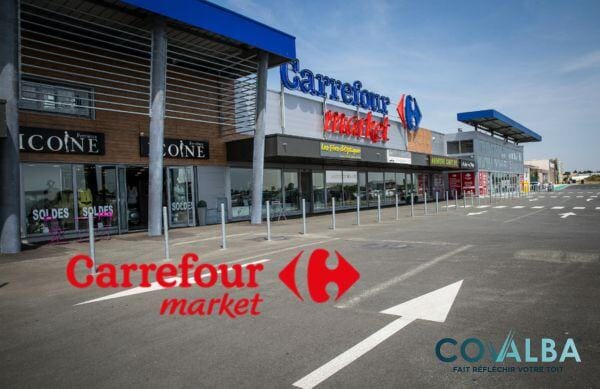
Installation de la peinture réflective CovaTherm 8 sur l'étanchéité bitumineuse.
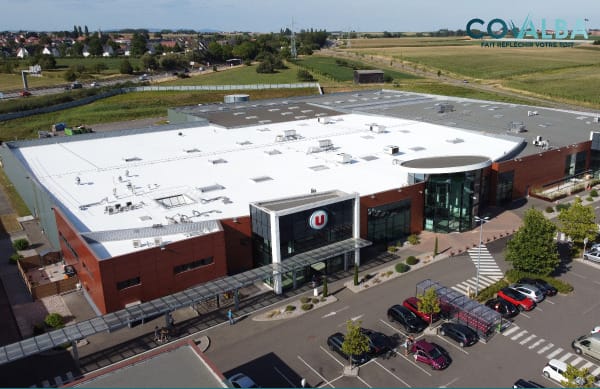
Installation de la peinture réflective CovaTherm SRI=119 sur l'étanchéité bitumineuse.
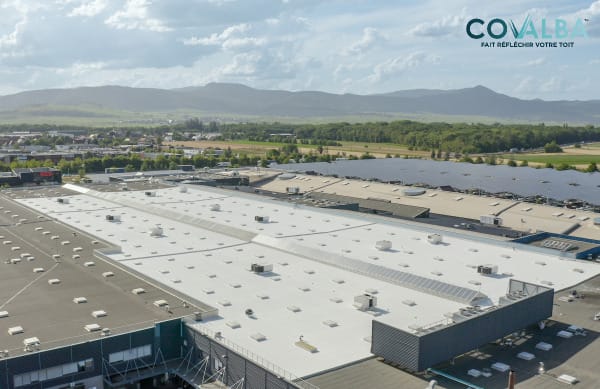
Installation de la peinture réflective CovaTherm SRI=119 sur l'étanchéité bitumineuse.
Voir le cas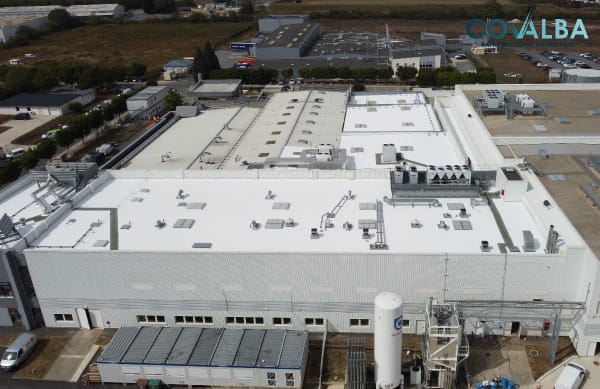
Installation de la peinture réflective CovaTherm SRI=119 sur l'étanchéité bitumineuse.
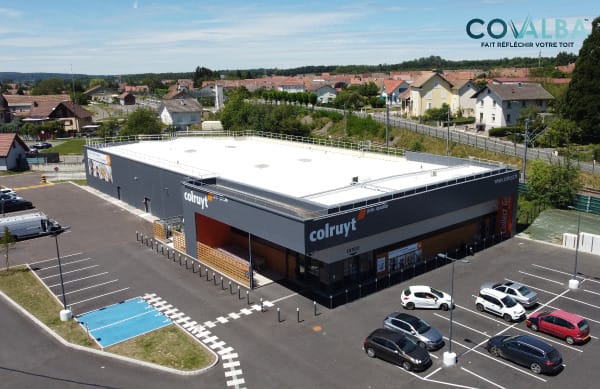
Installation de la peinture réflective CovaTherm SRI=119 sur l'étanchéité bitumineuse.
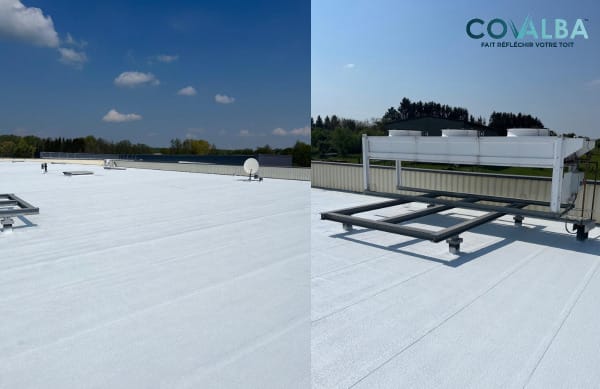
Installation de la peinture réflective CovaTherm 118 sur l'étanchéité bitumineuse.
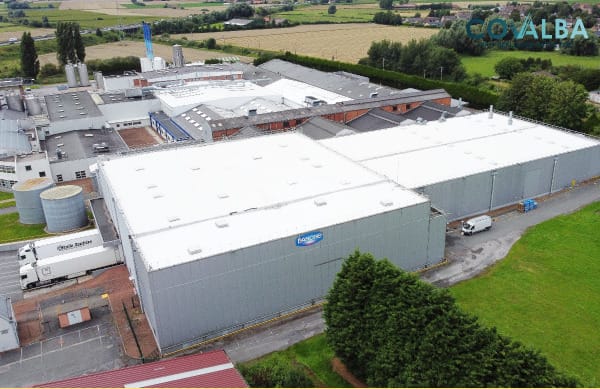
Installation de la peinture réflective CovaTherm SRI=119 sur l'étanchéité bitumineuse. Laquage solaire des lanterneaux.
Voir le cas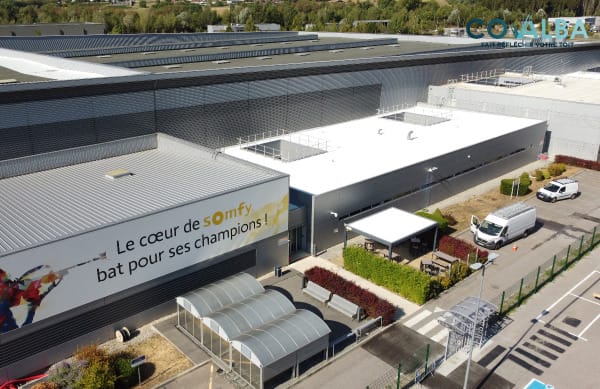
Installation de la peinture réflective CovaTherm SRI=119 sur l'étanchéité bitumineuse.
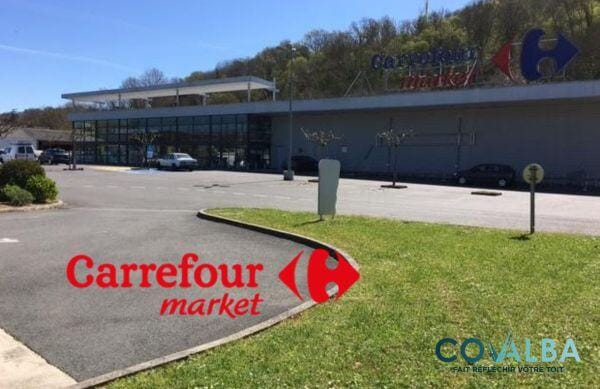
Installation du revêtement réflectif CovaTherm 20 sur l'étanchéité bitumineuse.
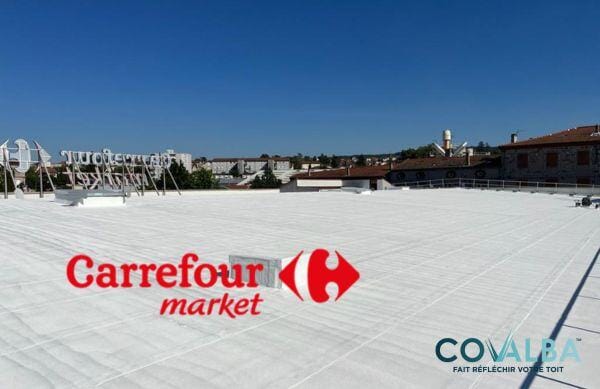
Installation du revêtement réflectif CovaTherm 20 sur l'étanchéité bitumineuse.
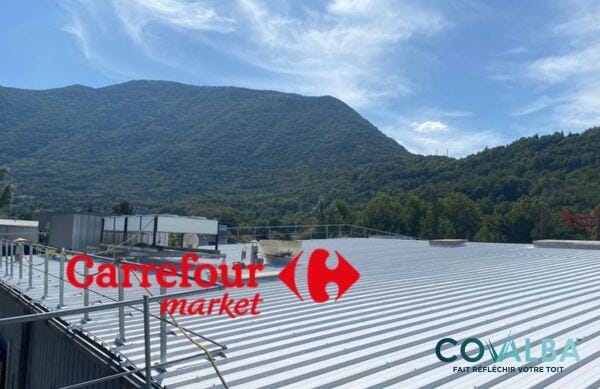
Installation du revêtement réflectif CovaTherm 20 sur l'étanchéité bitumineuse.
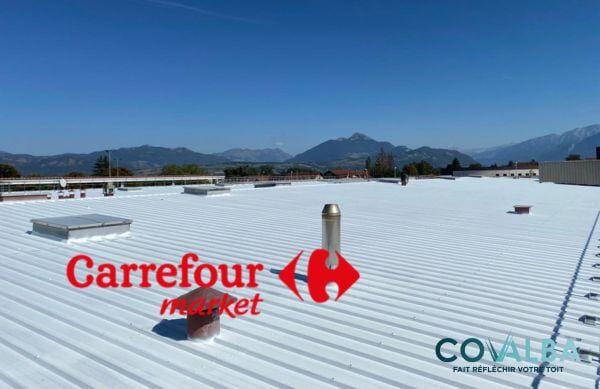
Installation du revêtement réflectif CovaTherm 20 sur l'étanchéité bitumineuse.
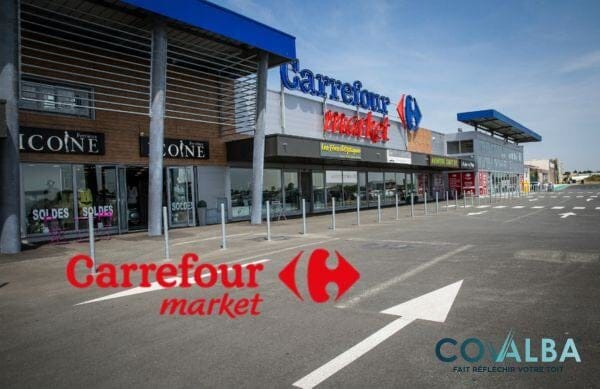
Installation du revêtement réflectif CovaTherm 20 sur l'étanchéité bitumineuse.
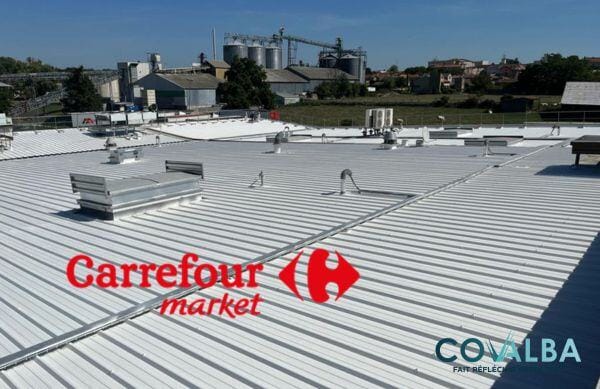
Installation du revêtement réflectif CovaTherm 20 sur l'étanchéité bitumineuse.
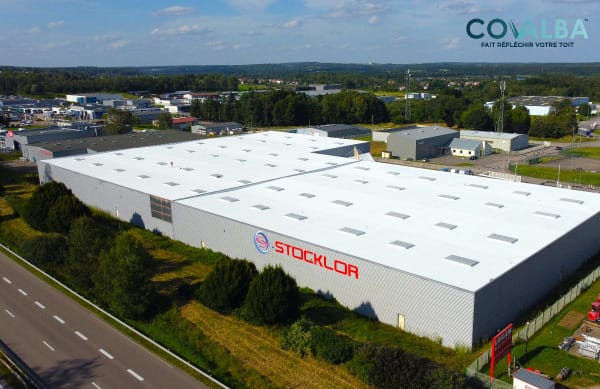
Installation de la peinture réflective CovaTherm SRI=119 sur l'étanchéité bitumineuse
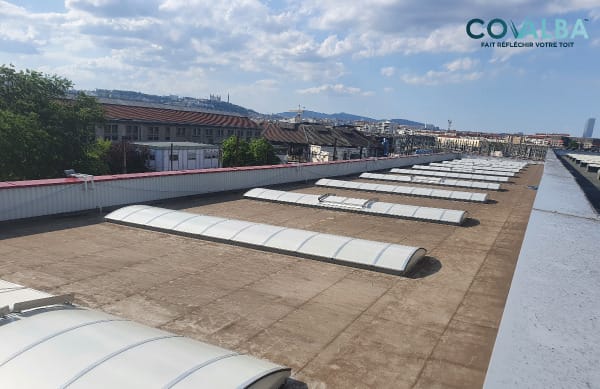
Laquage solaire des voûtes éclairantes d'un technicentre.
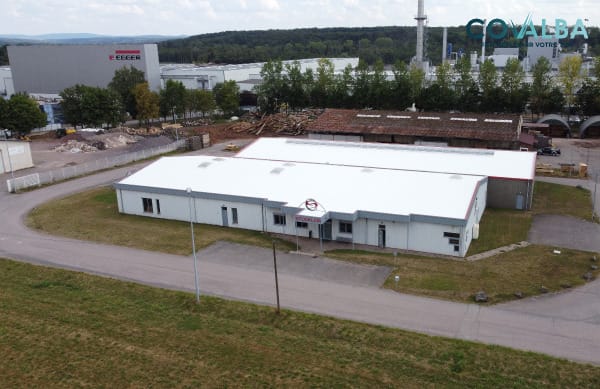
Installation de la peinture réflective CovaTherm SRI=119 sur l'étanchéité bitumineuse
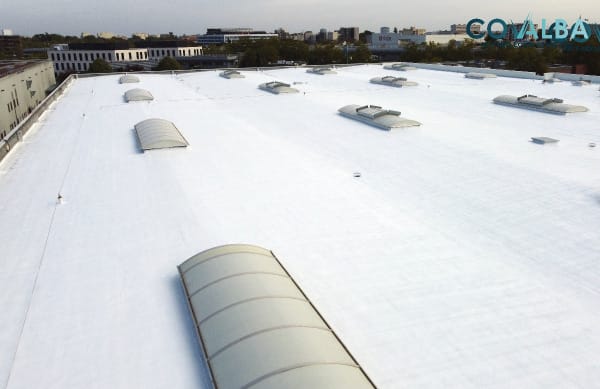
Installation de la peinture réflective CovaTherm SRI=119 sur l'étanchéité bitumineuse.
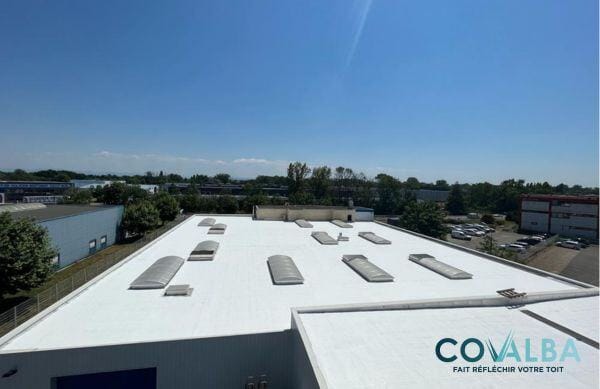
Installation de la peinture réflective CovaTherm SRI=119 sur l'étanchéité bitumineuse.
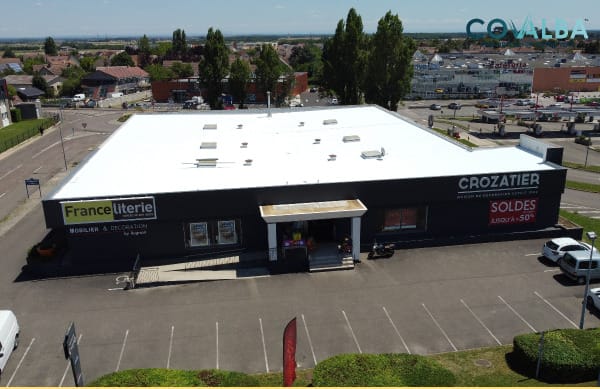
Installation de la peinture réflective CovaTherm SRI=119 sur l'étanchéité bitumineuse.
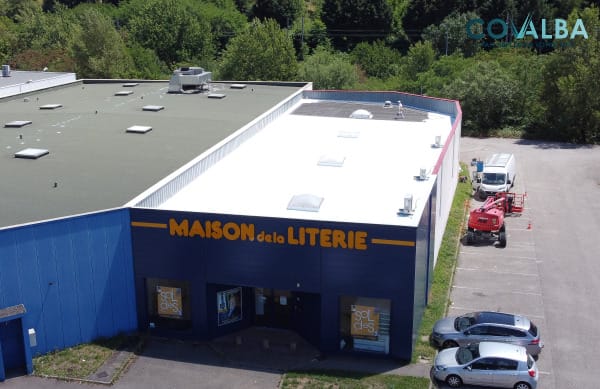
Installation de la peinture réflective CovaTherm SRI=119 sur l'étanchéité bitumineuse.
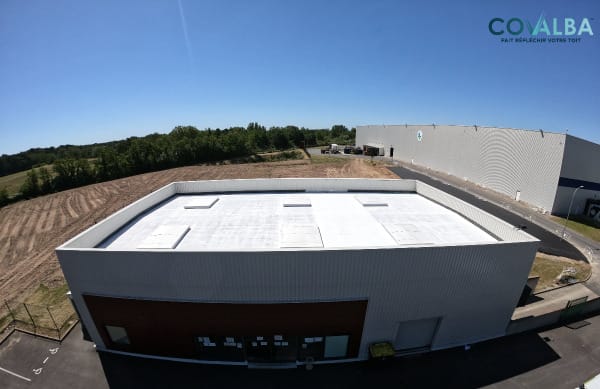
Installation de la peinture réflective CovaTherm SRI=119 sur l'étanchéité bitumineuse. Laquage solaire des voûtes éclairantes et lanterneaux.
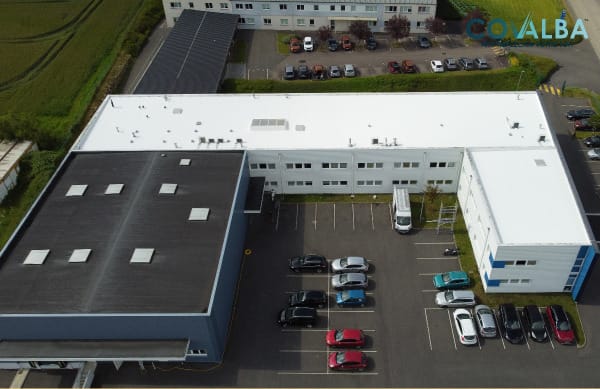
Installation de la peinture réflective CovaTherm SRI=119 sur l'étanchéité bitumineuse
Voir le cas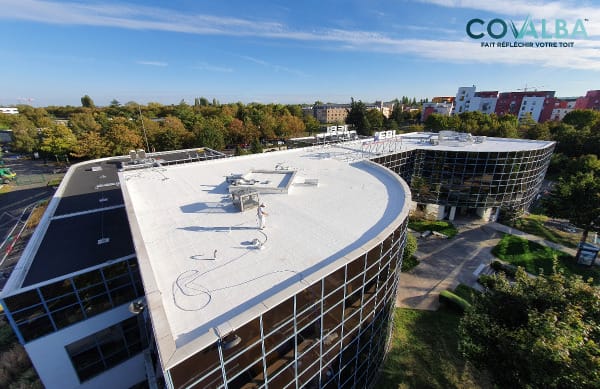
Installation de la peinture réflective CovaTherm SRI=119 sur l'étanchéité bitumineuse
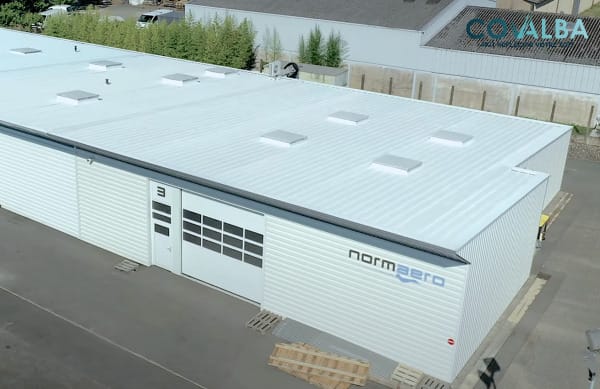
Installation de la peinture réflective CovaTherm SRI=119 sur une toiture bac acier.
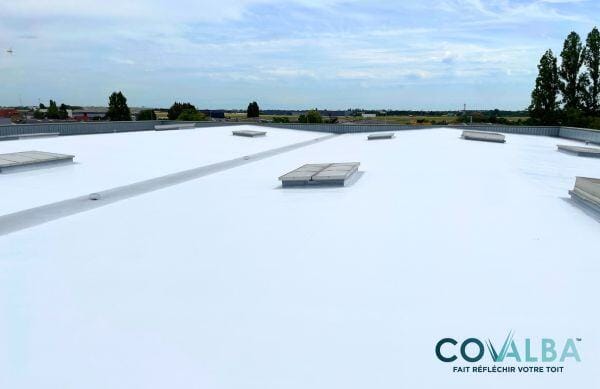
Installation du revêtement réflectif CovaSeal 20 sur l'étanchéité PVC.
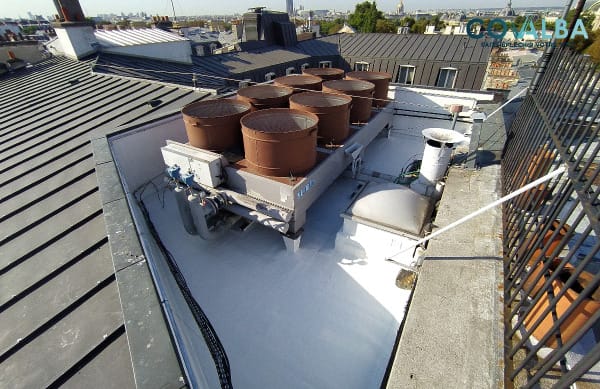
Installation de la peinture réfléchissante CovaTherm SRI=119 sur une étanchéité bitumineuse.
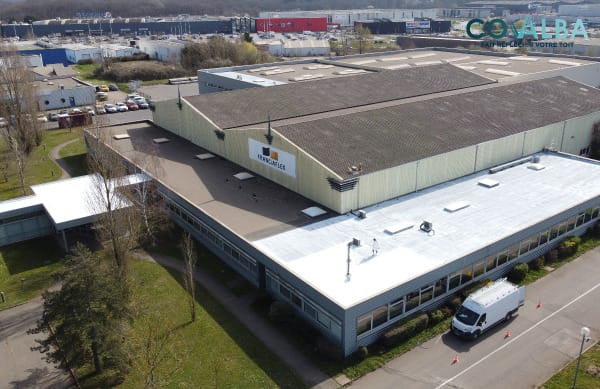
Installation de la peinture réflective CovaTherm SRI=119 sur l'étanchéité bitumineuse. Laquage solaire des voûtes éclairantes et lanterneaux.
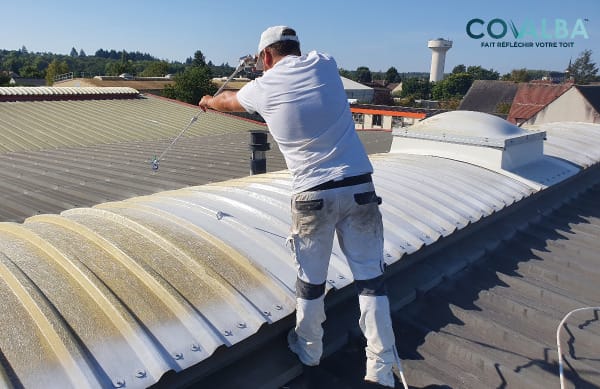
Laquage solaire des voûtes éclairantes.
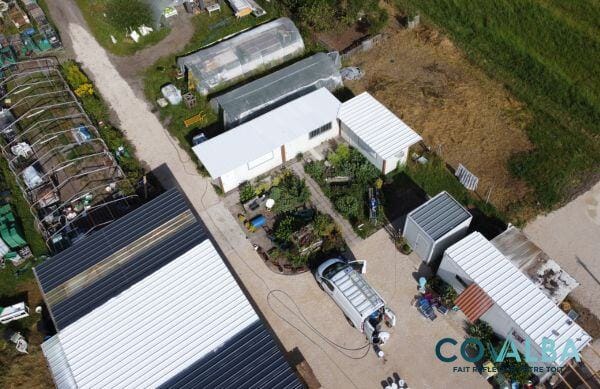
Installation de la peinture réflective CovaTherm 8 sur les toitures bac acier.
Ils économisent déjà avec Covalba
FAQ
The questions most often raised by technical departments, bursars and head teachers.
Yes, and that is the most common case. The application takes place during the holidays: the summer break most often, autumn half-term or spring break for a small surface, weather permitting. The works last from a few days to a few weeks. We agree the date upfront with the technical department and the bursar, so that everything is finished before the new term.
No. Everything happens on the roof, from the outside. The machines stay at the foot of the building and only the hoses go up. Nothing happens in classrooms, circulation areas or the canteen. A safety perimeter is marked out on the ground: summer activities and maintenance carry on.
That is the most common situation in school buildings, and cool roof remains useful there. The coating reflects up to 94% of solar radiation. The roof therefore stores less heat and passes less of it to the rooms below: up to 8 to 10 °C less under the roof, with no equipment to install and no energy consumed.
The owner of the building pays for the works: the town for primary and nursery schools, the department for lower secondary schools, the region for upper secondary schools, the institution itself for a campus. The Fonds Vert, a French state fund, can be used through its energy renovation and summer comfort strand. The CEE BAT-EN-112 grant does not apply to local authorities.
Not always. Below €100,000 excluding VAT, a French public contract can be awarded without a formal procedure, which covers a large share of school roofs. Covalba provides the expected documents: technical statement, product data sheets, insurance certificates and references. The public procurement side is covered on our local authorities page.
Bituminous membrane, steel deck, EPDM, PVC, fiber cement and concrete. Eight Covalba projects out of ten involve a bituminous membrane over ten years old, very common on school buildings. The diagnosis points to CovaTherm, to CovaSeal 20 when the waterproofing is tired, or to CovaMetal 20 on steel deck.
We survey your roof, quantify the expected gain and schedule the works during your school holidays.
Pupils are in class when the first hot spells arrive in June and when they return in September. The roof is the first item to act on.
French heatwaves now spill into the end and the start of the school year. A dark flat roof absorbs solar radiation all day long. It stores that energy and releases it towards the volumes below, including in the evening. Top-floor classrooms, gyms and enclosed covered playgrounds are the first affected, with a large roof surface right above them. Without air conditioning, nothing offsets that heat: the temperature climbs in the morning and barely falls back. The Covalba blog covers this mechanism in its article on thermal discomfort, and in the one devoted to the urban heat island, a familiar effect around inner-city schools.
In education, a project is judged first on its calendar. A school roof is treated during the holidays, at autumn half-term, in spring or over the summer depending on the surface. Cool roof lends itself to this. The application is carried out from the outside, the machines stay at the foot of the building and only the hoses go up. No classroom is taken out of use, no furniture is moved, no room is shut down. The duration runs from a few days to a few weeks depending on the surface, leaving a comfortable margin before pupils and staff return.
School estates are dominated by flat roofs with a bituminous membrane, often laid more than ten years ago, and by steel deck on gyms and extensions. Eight Covalba projects out of ten involve a bituminous membrane over ten years old. Fiber cement and concrete are also found on technical buildings and covered playgrounds. The technical diagnosis decides: CovaTherm on a sound substrate, CovaSeal 20 when the waterproofing is tired and needs a rework, CovaMetal 20 on a corroded steel deck. Our bituminous membrane and steel deck pages cover each case.
A school building over 1,000 m² falls within the scope of the décret tertiaire (French tertiary decree). Consumption must fall by 30% by 2030, 40% by 2040 and 50% by 2050, with an annual declaration on the OPERAT platform. Cool roof acts on the cooling load and on the heat received by the building, without heavy works on the envelope. For staff, French labour law sets no maximum temperature but requires the employer to protect workers from heat. Our article on the décret tertiaire sets out the thresholds and the trajectory.
Funding follows ownership: the town for primary schools, the department for lower secondary schools, the region for upper secondary schools. The Fonds Vert, a French state fund, remains the main lever for local authorities through its energy renovation and summer comfort strand. The CEE BAT-EN-112 grant is not open to them, but a private school or a campus under tertiary status can look into it. Below €100,000 excluding VAT, the contract is awarded without a formal procedure, as our local authorities page explains.
A cool roof comes to €20 to €22 per m² supplied and applied. A new membrane sits between €80 and €100 per m², an insulation plus waterproofing rework around €150 per m². On a school complex, that budget gap weighs heavily on the decision. The coating protects the roof from UV and thermal shocks. It pushes the membrane replacement back by 8 to 10 years, time enough to plan a heavy refurbishment within a multi-year programme. A polyurethane system with a finishing topcoat lasts 8 to 10 years, against 2 to 5 years for the acrylics on the market.