Industrie
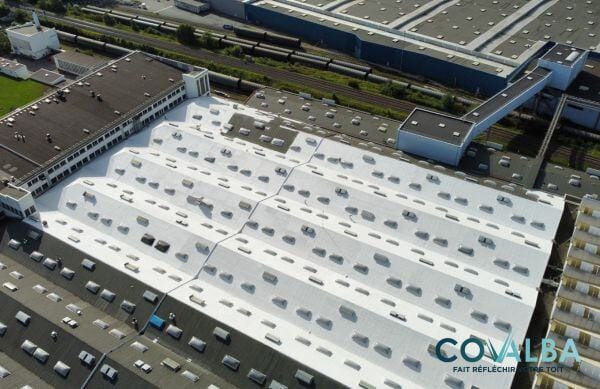
Usine d'embouteillage (confidentiel), France
Installation du revêtement réflectif CovaSeal 20 sur l'étanchéité bitumineuse.
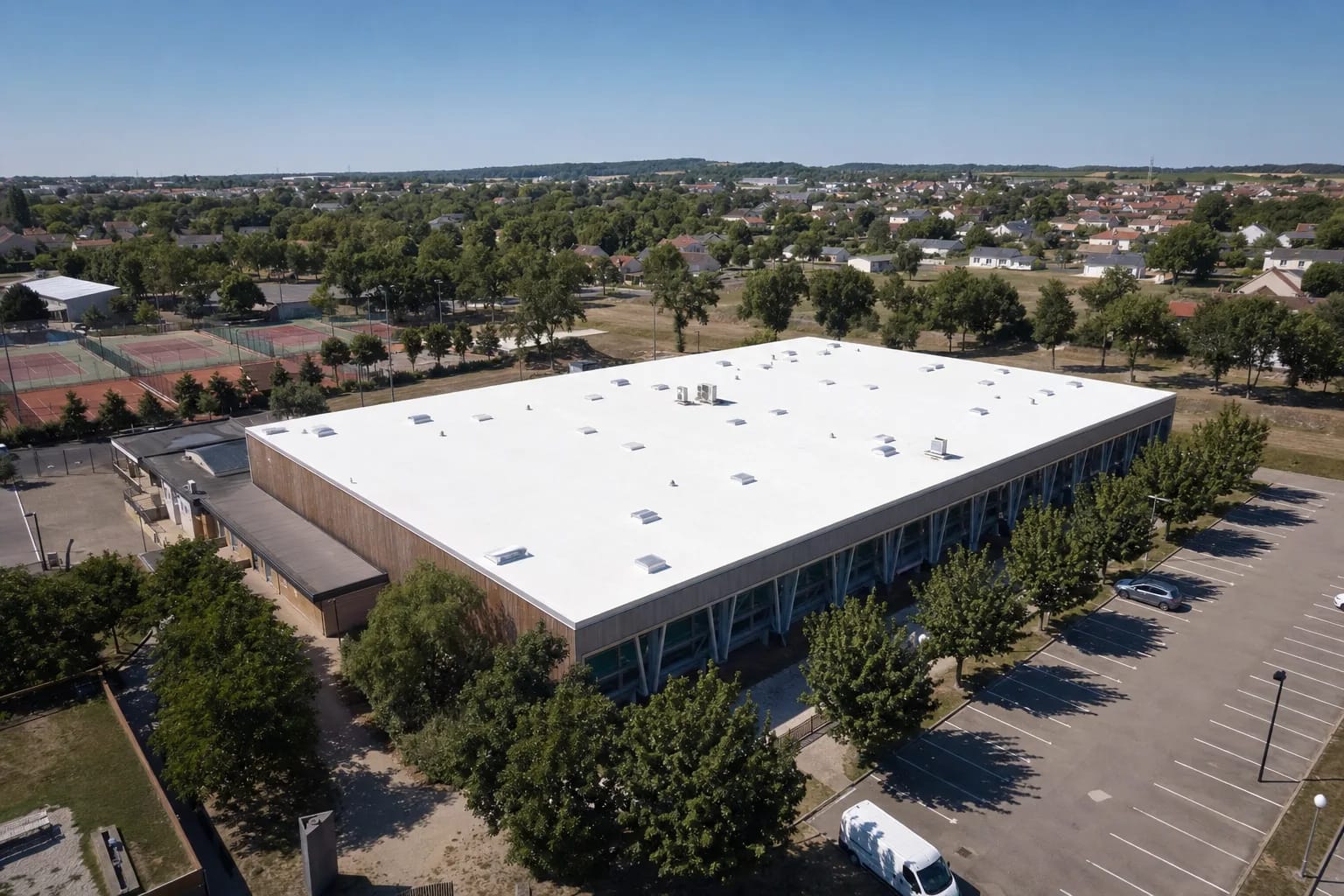
Cool roof for sports & leisure venues
Your halls stay usable all summer: up to 8 to 10 °C cooler under the roof, with no air conditioning.
-8 to -10 °C
under the roof in summer
0 closure
during the works
100% roof-side
no disruption for users
Ils économisent déjà avec Covalba












Why act
A sports hall is a large volume under a metal roof in full sun. In summer, the temperature rises beyond what a body can take under physical effort.
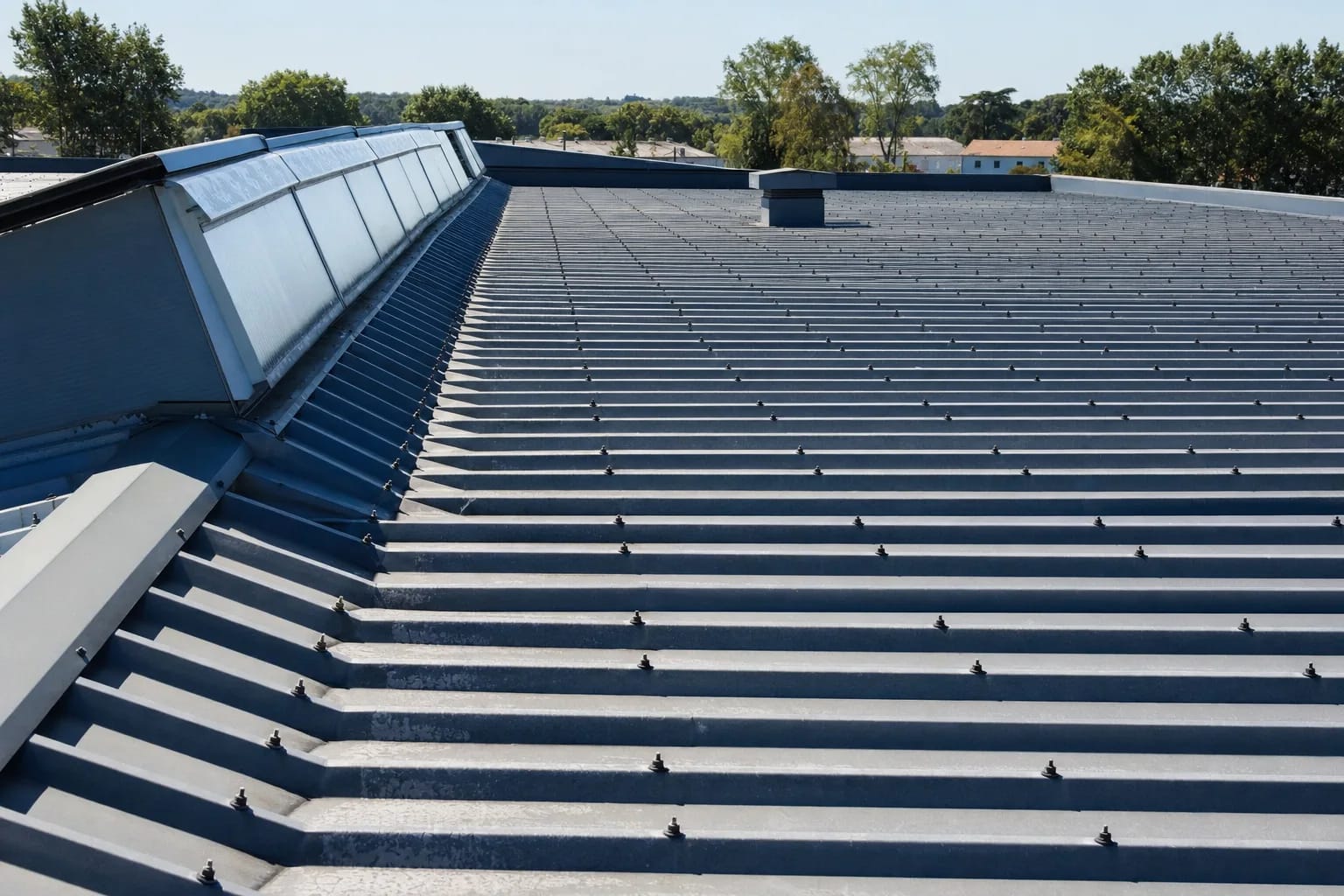
The air becomes stifling as soon as the roof heats up, and the hall stays hot until the evening.
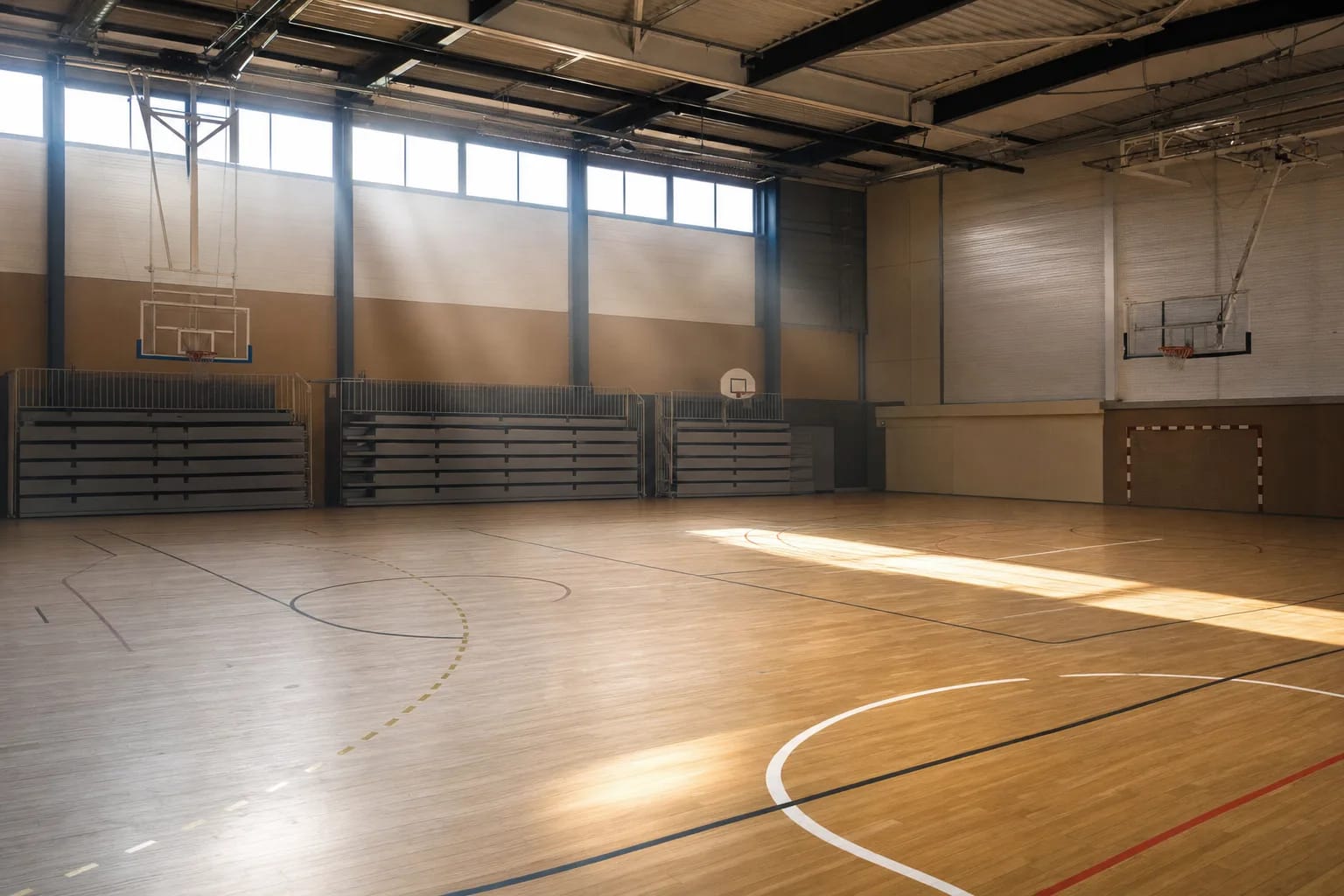
Clubs, summer camps and school groups lose hours when the hall gets too hot.
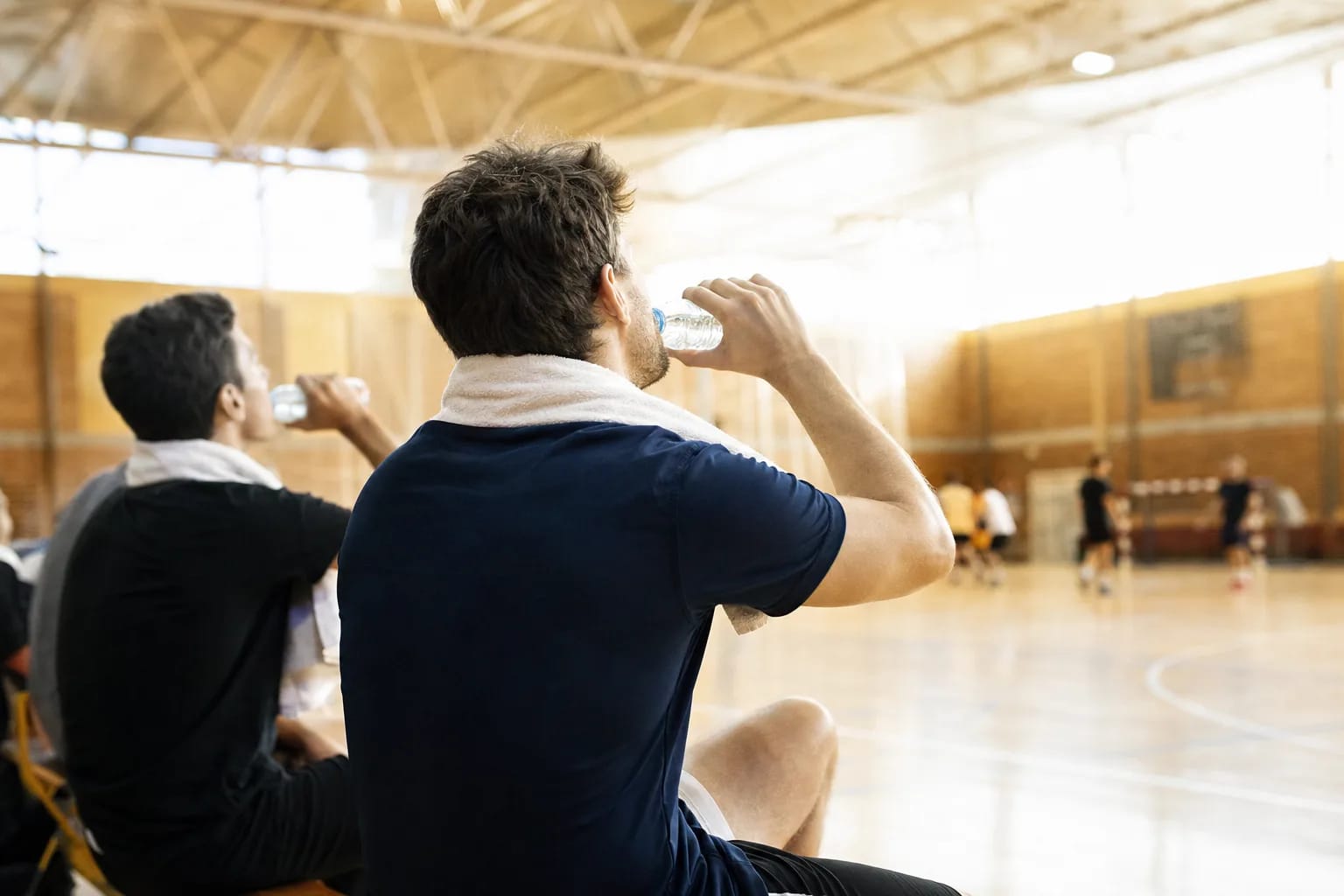
Heat stroke and dehydration force coaches to cut sessions short.
The problem comes from the roof, and so does the fastest lever.
The Covalba solution
Covalba coatings reflect up to 94% of solar radiation. The roof heats up far less, the hall too, and there is no machine to install.
That leaves one question: how long does the coating last.
Durability
On a sports facility, every return to the roof is a job to organise and a budget to find. A coating that loses its reflectivity in three years means starting over.
| Standard acrylic coating | Covalba polyurethane system | |
|---|---|---|
| Low install price | One operation for a decade | |
| Price per m² | ~€15 | €20 to €22 |
| Service life | 2 to 5 years | 8 to 10 years |
| Over 10 years | One to two reapplications | No rework |
| Reflectivity drops fast | 94% reflectivity kept | |
| Chalking and yellowing | Anti-UV finishing topcoat | |
| A new job every 2 to 5 years | Polyurethane + finishing topcoat |
Price per m²
Service life
Over 10 years
-
-
-
Polyurethane systems with an anti-UV finishing topcoat (CovaTherm) keep their reflectivity for 8 to 10 years, against 2 to 5 years for the acrylic coatings on the market.
Funding
A municipal sports hall and a private fitness club are not funded the same way. Each has its own scheme.
The public procurement and Fonds Vert side is covered on our <a href="/en/industries/public-sector">public sector page</a>. Covalba checks whether your facility is eligible when pricing the project.
What you gain
Cool roof stops the sun's heat at the roof. The hall gets back to a temperature bearable under effort.
-8 to -10 °C
under the roof in summer
From the first summer
The hall stays usable during heatwaves, with no air conditioning.
No more slots cancelled because of heat, from summer camps to the clubs' new season.
Fewer heat strokes under effort, for athletes and coaches alike.
The coating protects the covering and pushes its replacement back by 8 to 10 years.
The gain plays out differently on each type of facility.
Your buildings
Sports halls, inter-municipal complexes, indoor pools, private clubs and leisure centres all have a large roof exposed to the sun. How they operate, however, differs.
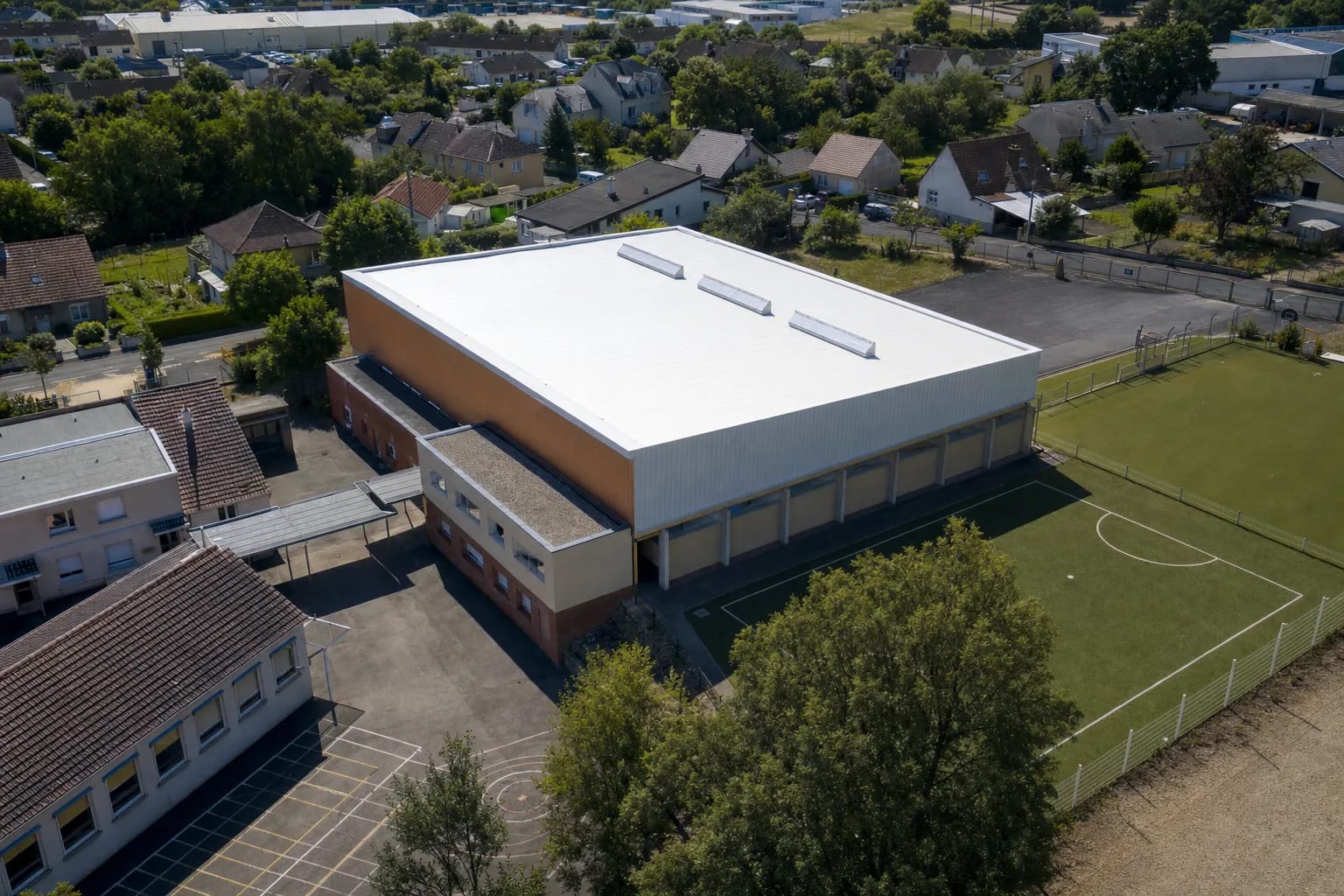
Schools by day, clubs by night: heat penalises both uses of the same building.
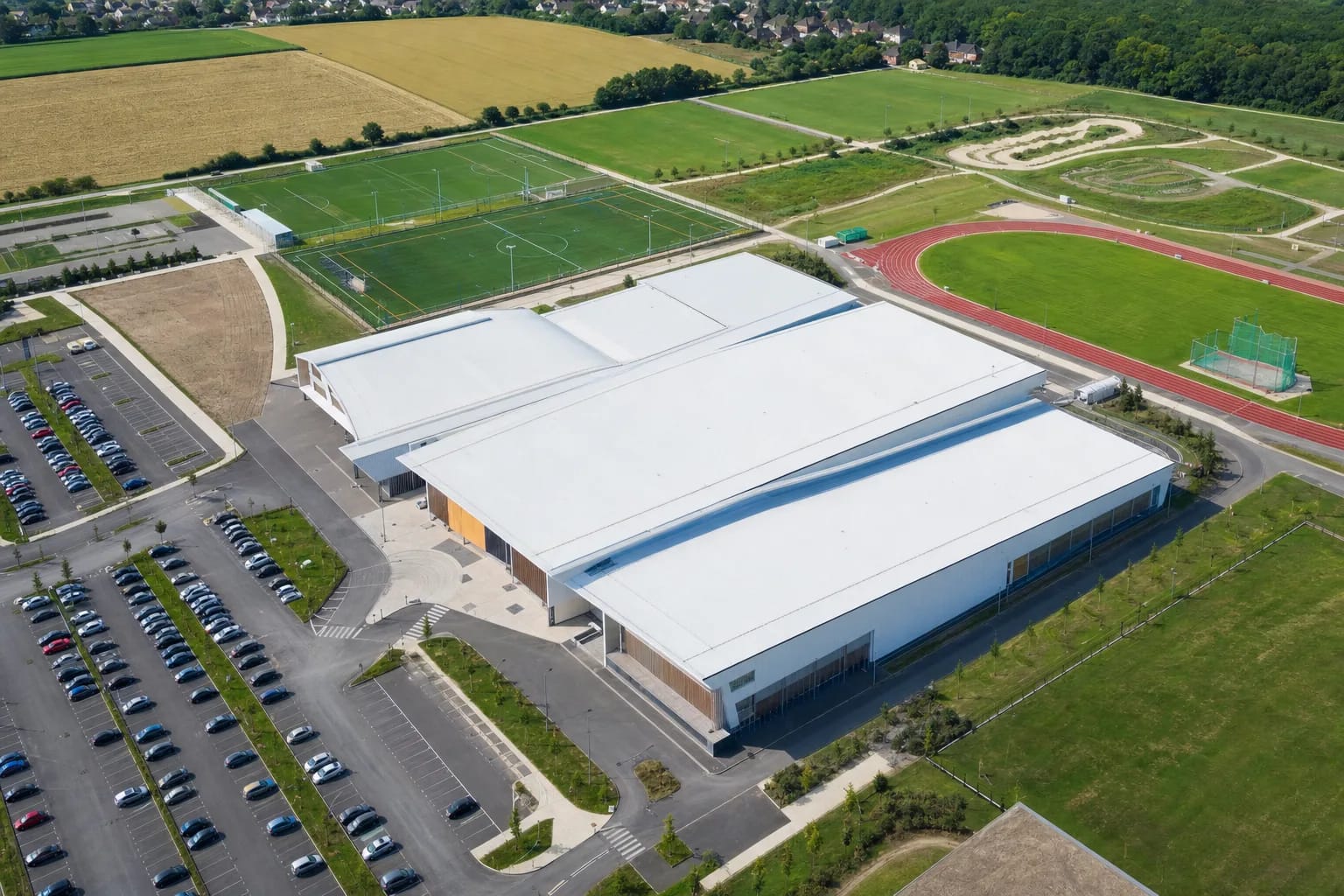
Several halls under one roof: everything is treated in a single operation.
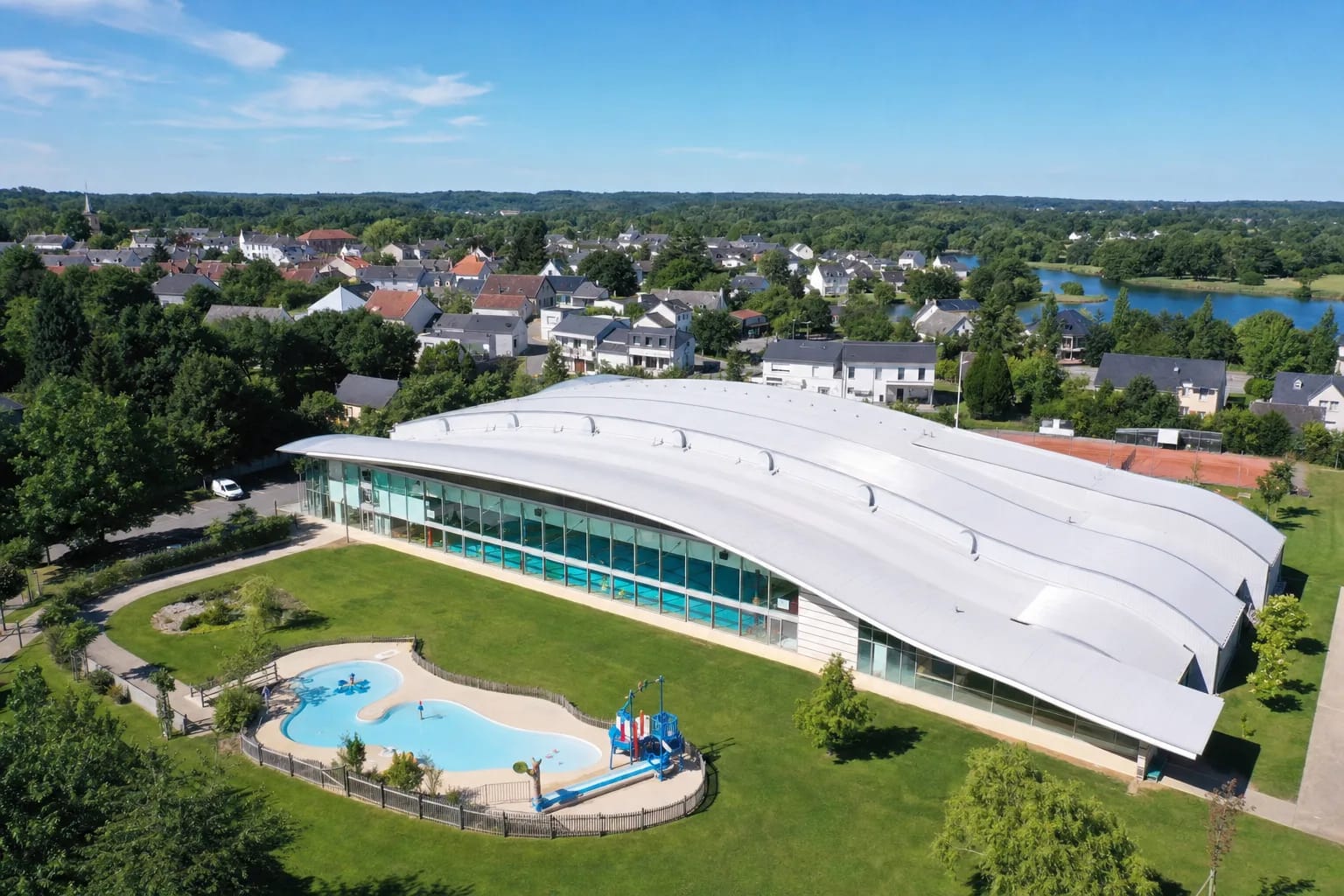
A hall that is already hot and humid under a highly exposed roof: cool roof avoids adding to it in summer.
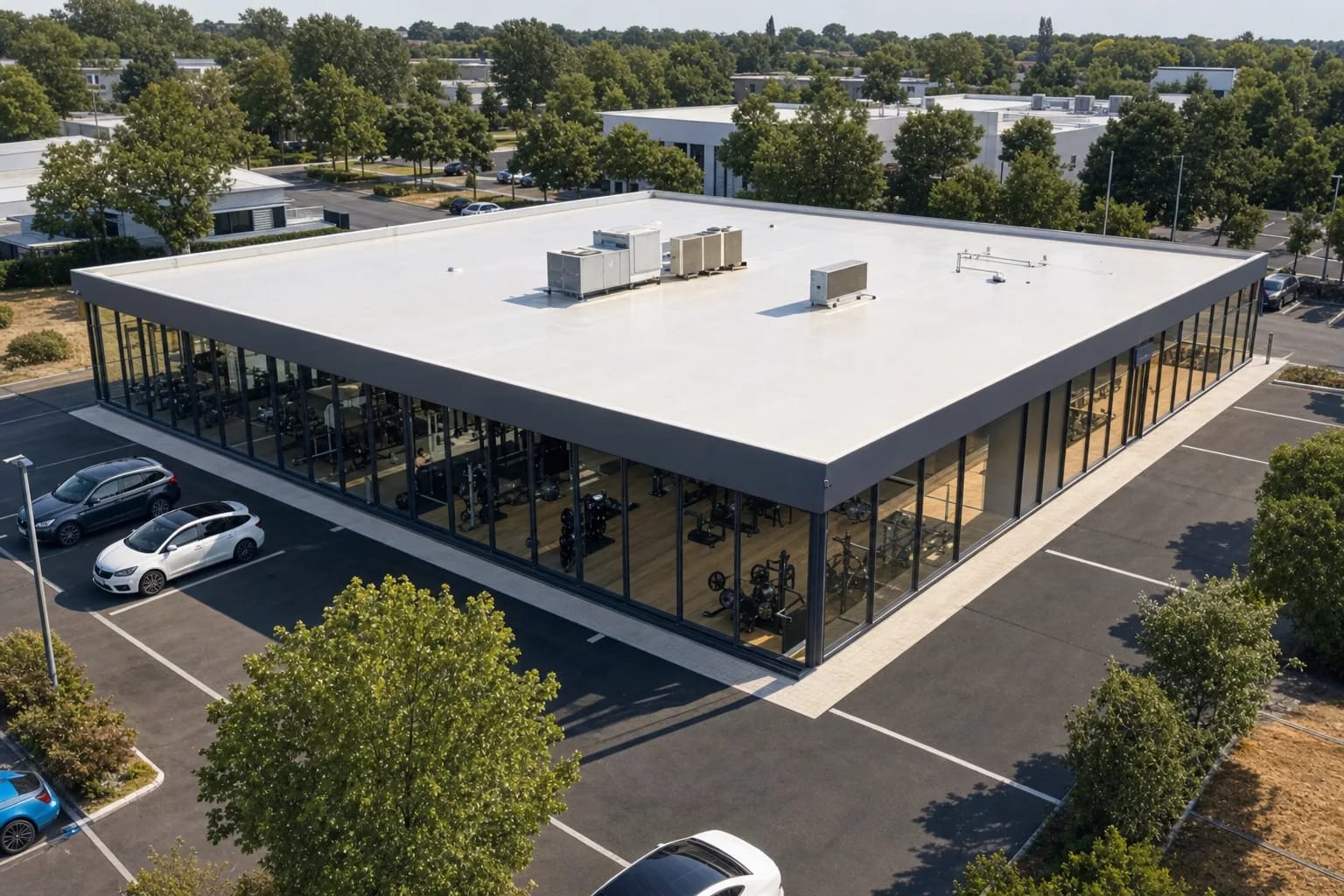
Members to keep and air conditioning running all summer: cool roof takes the load off it.
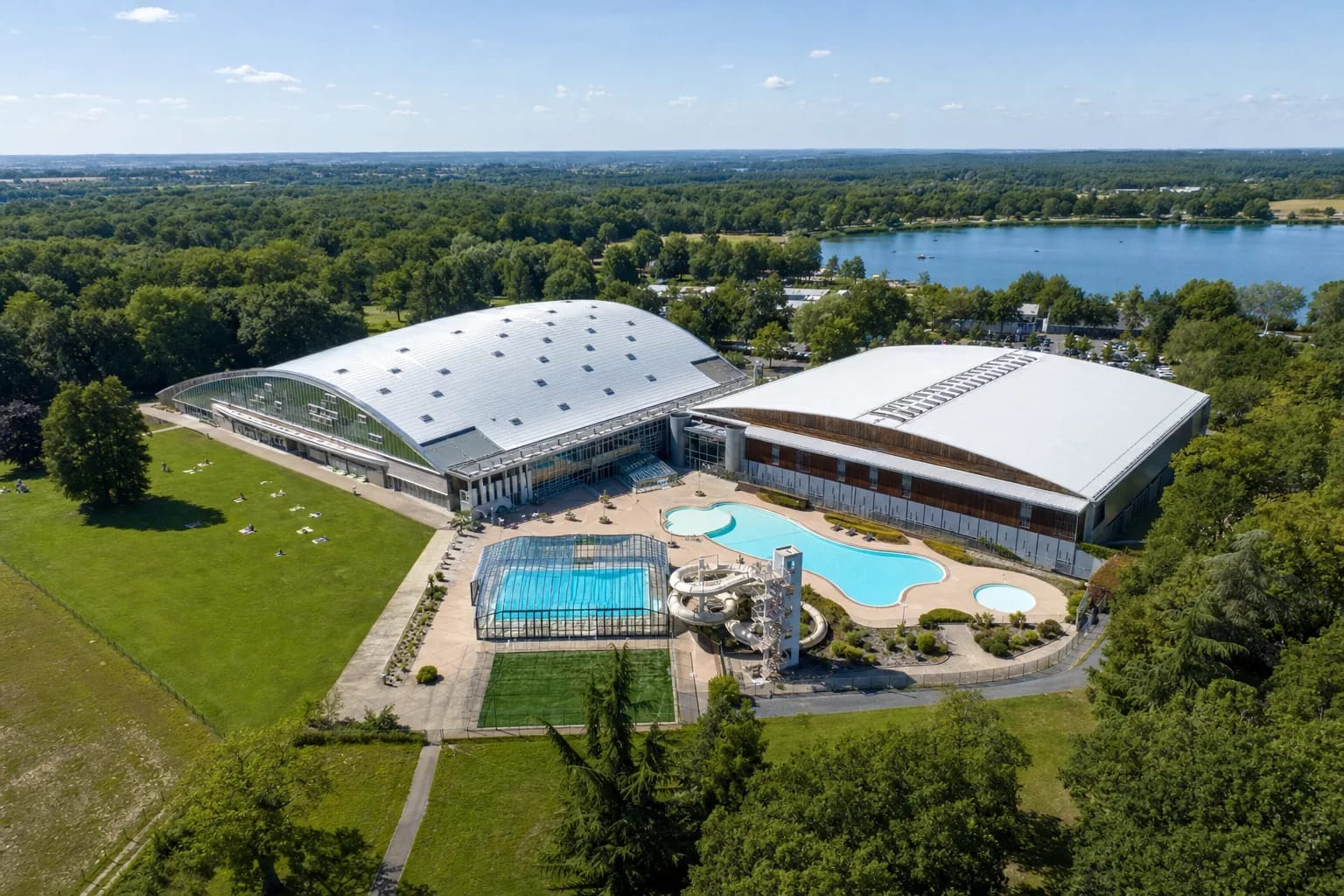
Aquatic centres, ice rinks and leisure halls: large volumes, heavily used in summer.
That leaves how we work without blocking the facility.
A controlled operation
Everything happens on the roof, machines on the ground. The halls stay accessible and the slot schedule is respected.
Voir la vidéoWe survey the substrate, the access points and your operating constraints: slots, school holidays, sports season.
High-pressure cleaning, then treatment of the sensitive points: fixings, north-light roofs, roof lights and upstands.
Continuous spray application. The machines stay on the ground, only the hoses go up, and nothing happens inside the hall.
We check thickness and coverage, then hand the follow-up file to the technical department.
A few days to a few weeks depending on the surface
Concrete results
Roof temperature readings and operator feedback from buildings equipped by Covalba.
-8 to -10 °C
under the roof in summer
over 500
projects completed in France
8 to 10 years
of coating service life
Installation du revêtement réflectif CovaSeal 20 sur l'étanchéité bitumineuse.
Installation de la peinture réflective CovaTherm 8 sur l'étanchéité bitumineuse.
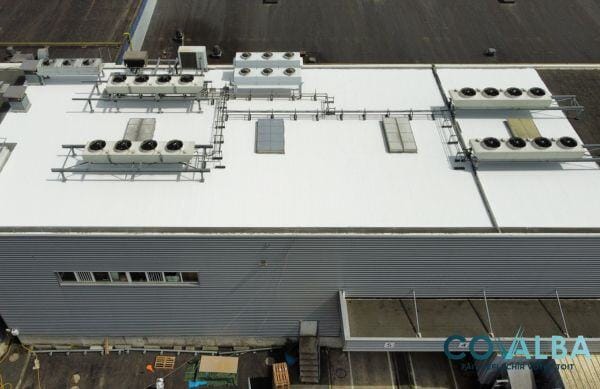
Installation du revêtement CovaSeal sur l'étanchéité bitumineuse.
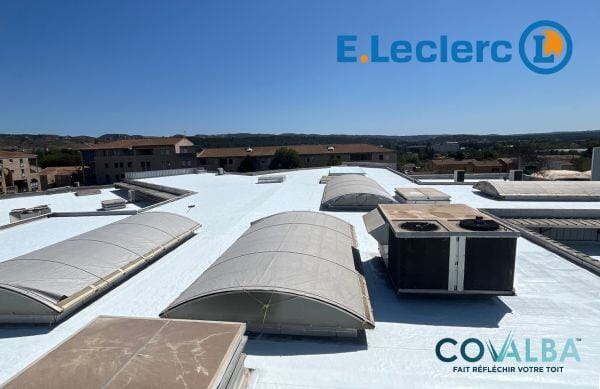
Installation du revêtement réflectif CovaSeal 20 sur l'étanchéité bitumineuse.
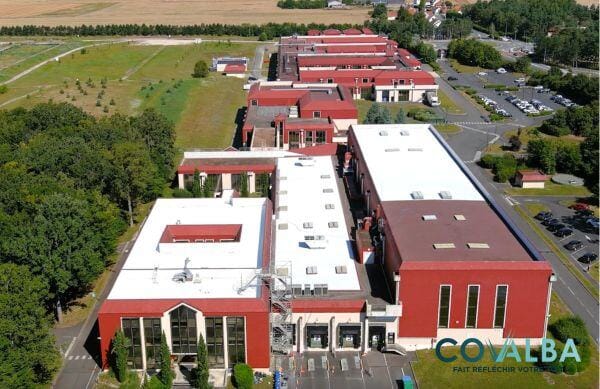
Installation de la peinture réflective CovaTherm SRI=119 sur l'étanchéité bitumineuse.
Voir le cas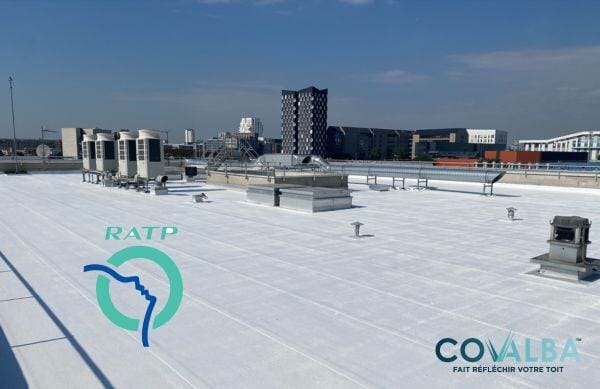
Installation de la peinture réflective CovaTherm SRI=119 sur l'étanchéité bitumineuse.
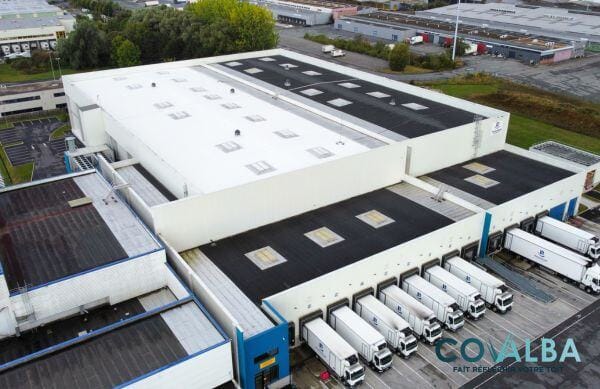
Installation de la peinture réflective CovaTherm SRI=119 sur l'étanchéité bitumineuse.
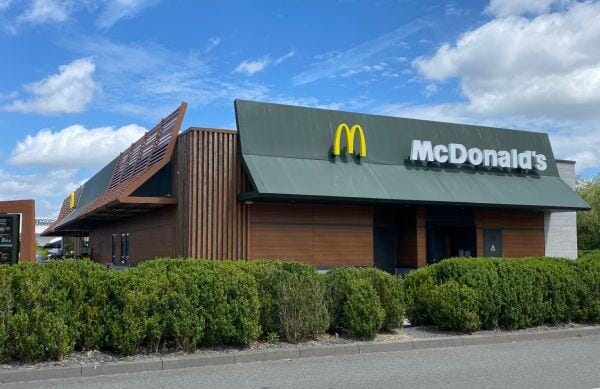
Installation de la peinture réflective CovaTherm SRI=119 sur l'étanchéité bitumineuse.
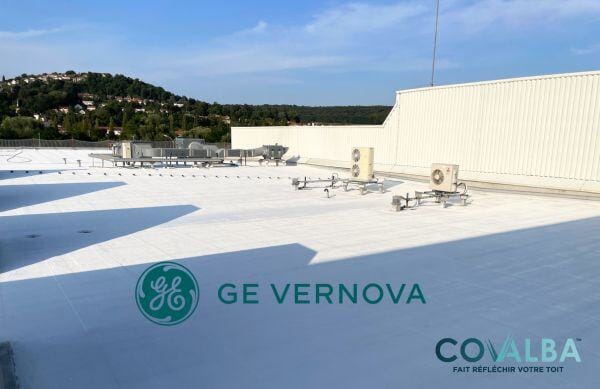
Installation du revêtement réflectif CovaSeal 20 sur l'étanchéité bitumineuse.
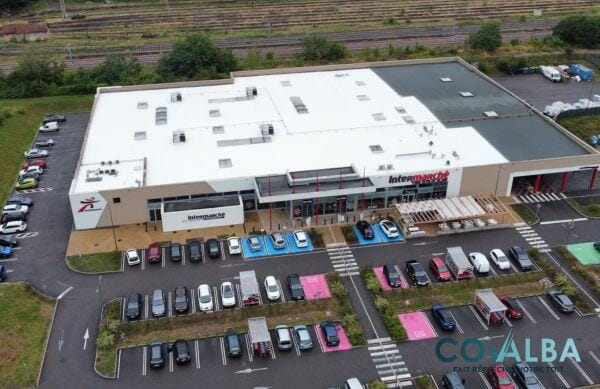
Installation de la peinture réflective CovaTherm SRI=119 sur l'étanchéité bitumineuse.
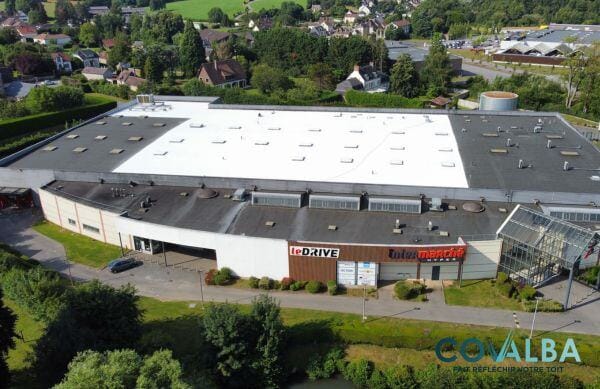
Installation de la peinture réflective CovaTherm SRI=119 sur l'étanchéité bitumineuse.
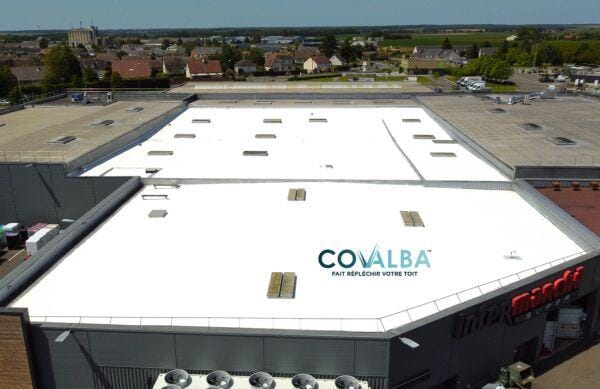
Installation de la peinture réflective CovaTherm SRI=119 sur l'étanchéité bitumineuse.
Voir le cas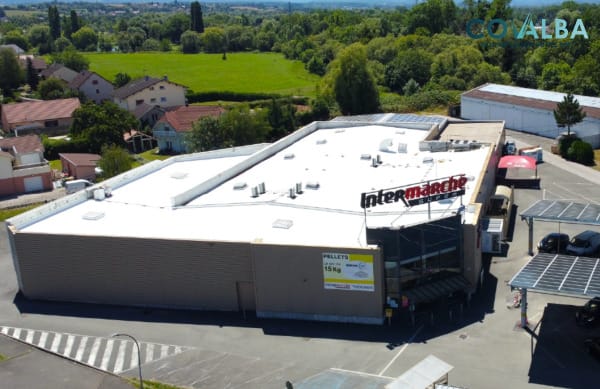
Installation de la peinture réflective CovaTherm SRI=119 sur l'étanchéité bitumineuse.
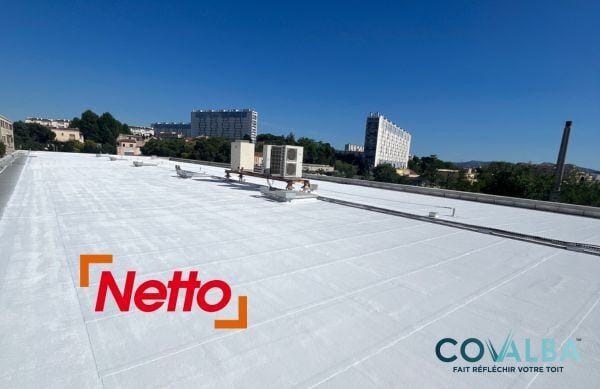
Installation de la peinture réflective CovaTherm 20 sur les toitures bac acier.
Installation de la peinture réflective CovaTherm SRI=119 sur la toiture zinc.
Voir le cas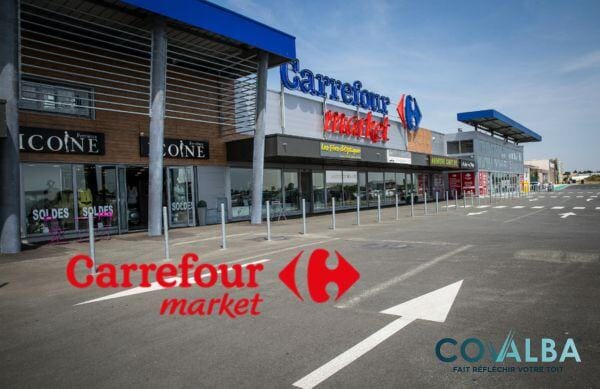
Installation de la peinture réflective CovaTherm 8 sur l'étanchéité bitumineuse.
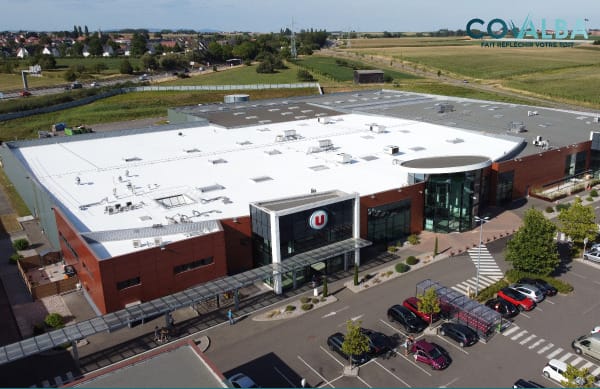
Installation de la peinture réflective CovaTherm SRI=119 sur l'étanchéité bitumineuse.
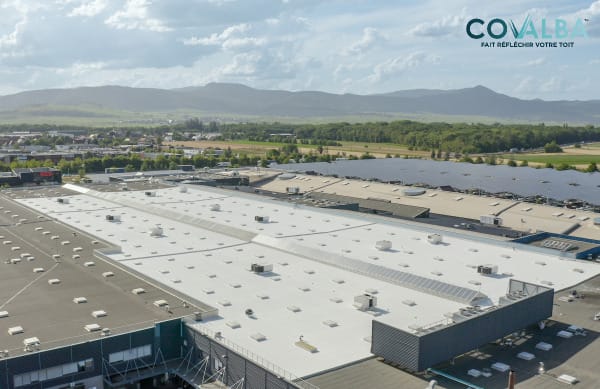
Installation de la peinture réflective CovaTherm SRI=119 sur l'étanchéité bitumineuse.
Voir le cas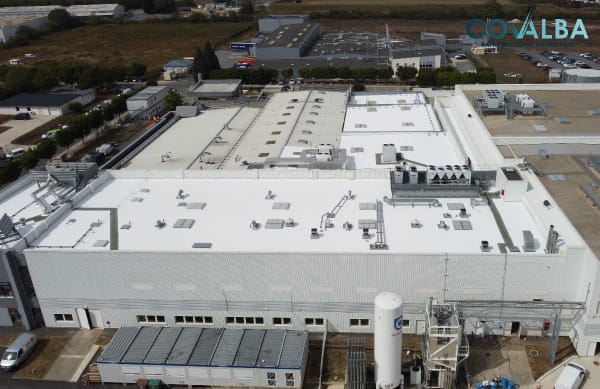
Installation de la peinture réflective CovaTherm SRI=119 sur l'étanchéité bitumineuse.
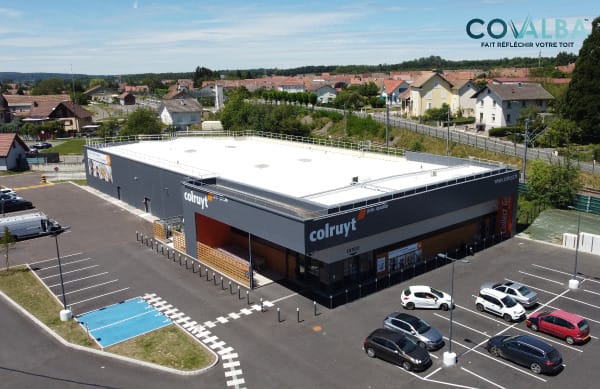
Installation de la peinture réflective CovaTherm SRI=119 sur l'étanchéité bitumineuse.
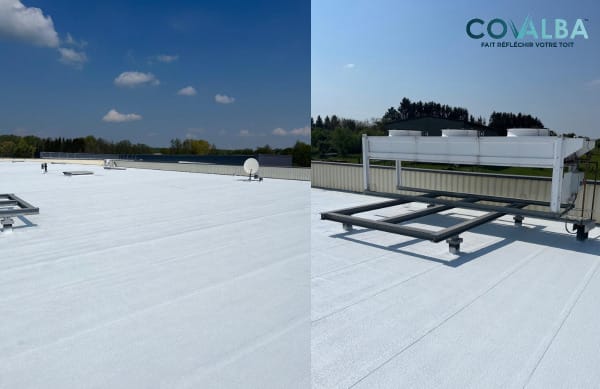
Installation de la peinture réflective CovaTherm 118 sur l'étanchéité bitumineuse.
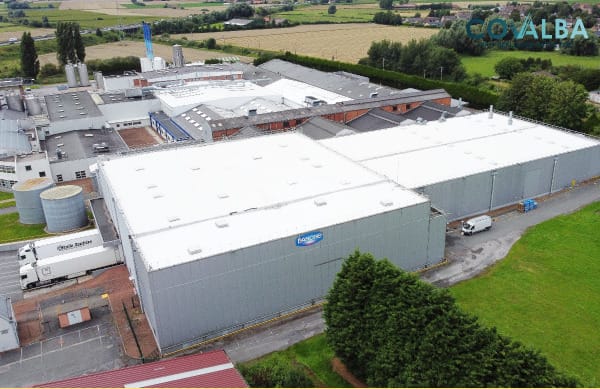
Installation de la peinture réflective CovaTherm SRI=119 sur l'étanchéité bitumineuse. Laquage solaire des lanterneaux.
Voir le cas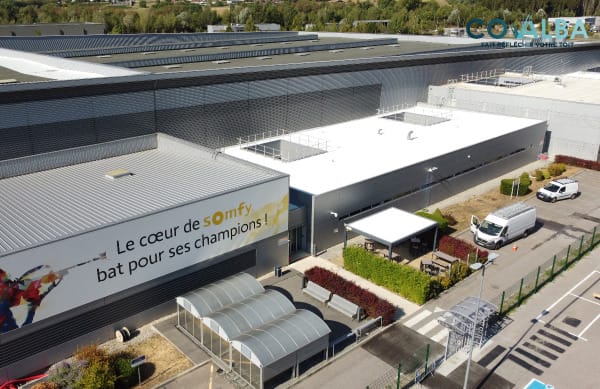
Installation de la peinture réflective CovaTherm SRI=119 sur l'étanchéité bitumineuse.
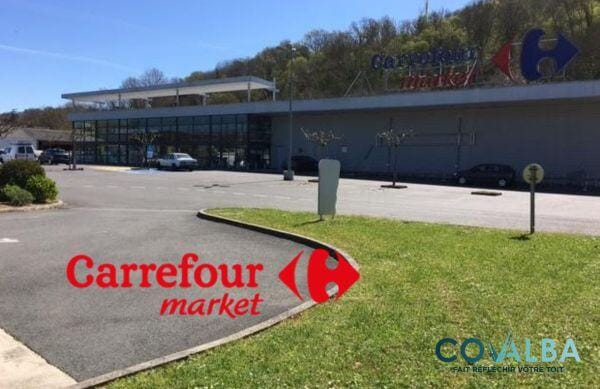
Installation du revêtement réflectif CovaTherm 20 sur l'étanchéité bitumineuse.
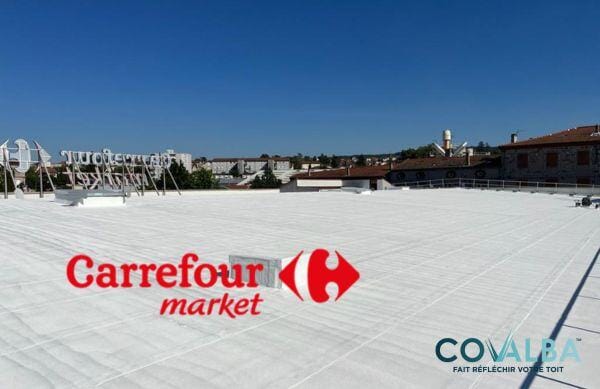
Installation du revêtement réflectif CovaTherm 20 sur l'étanchéité bitumineuse.
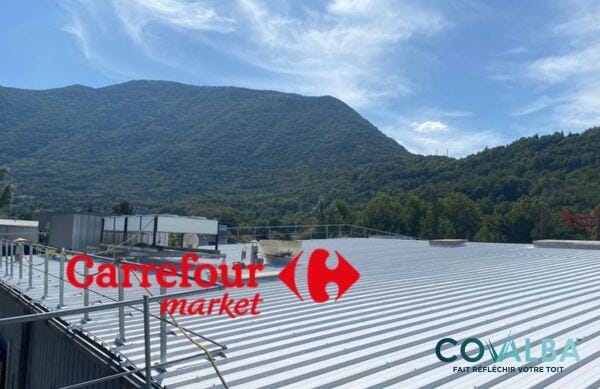
Installation du revêtement réflectif CovaTherm 20 sur l'étanchéité bitumineuse.
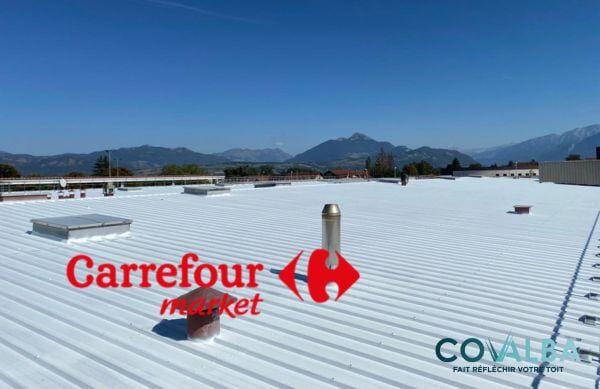
Installation du revêtement réflectif CovaTherm 20 sur l'étanchéité bitumineuse.
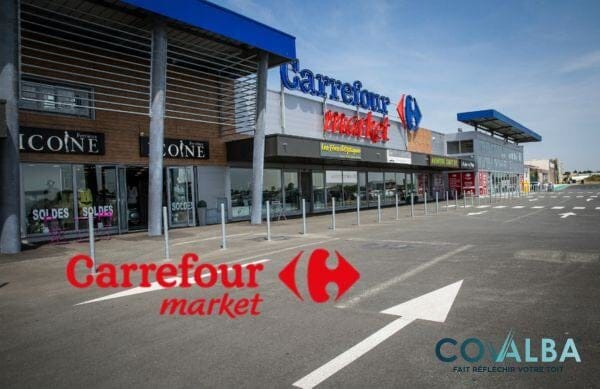
Installation du revêtement réflectif CovaTherm 20 sur l'étanchéité bitumineuse.
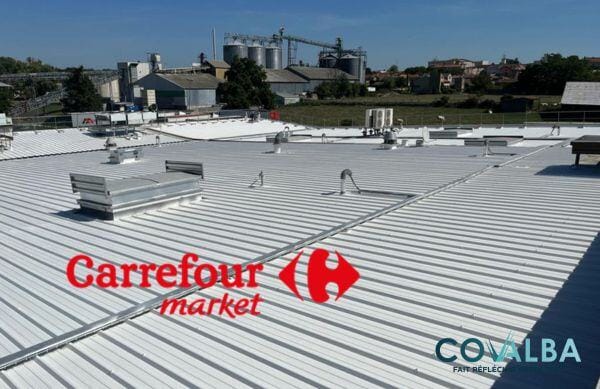
Installation du revêtement réflectif CovaTherm 20 sur l'étanchéité bitumineuse.
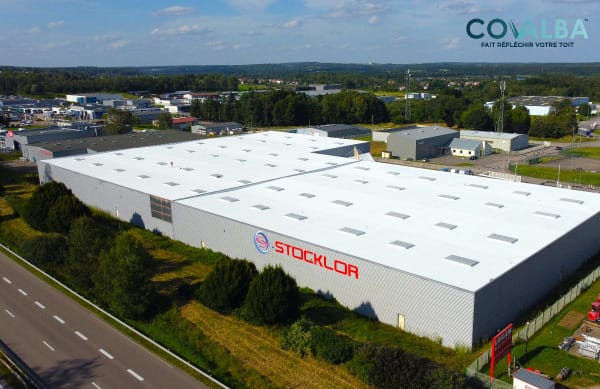
Installation de la peinture réflective CovaTherm SRI=119 sur l'étanchéité bitumineuse
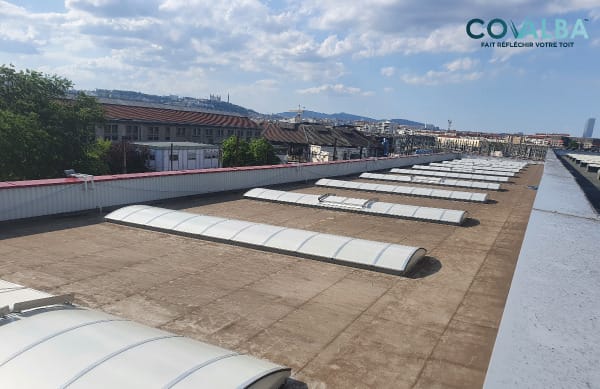
Laquage solaire des voûtes éclairantes d'un technicentre.
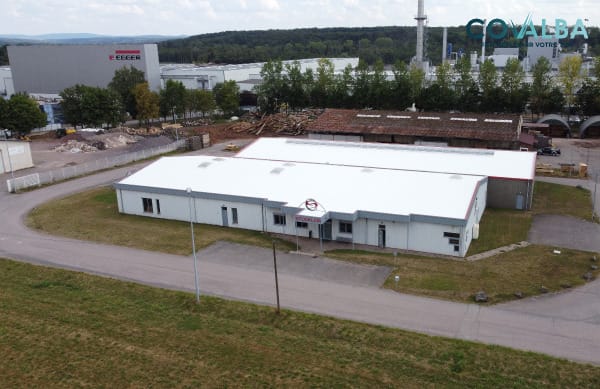
Installation de la peinture réflective CovaTherm SRI=119 sur l'étanchéité bitumineuse
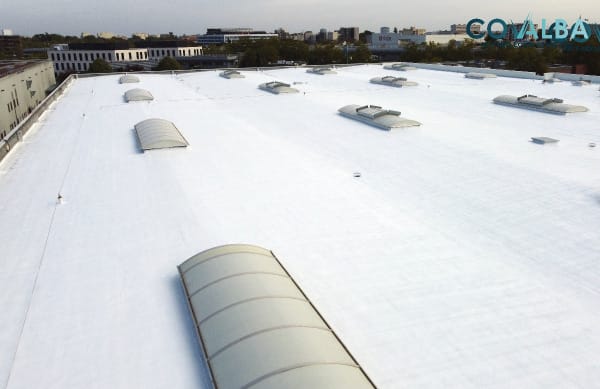
Installation de la peinture réflective CovaTherm SRI=119 sur l'étanchéité bitumineuse.
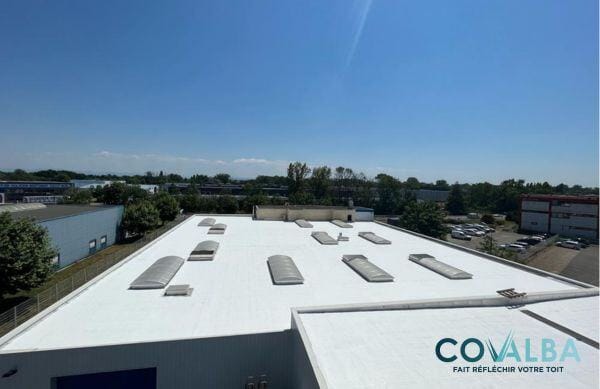
Installation de la peinture réflective CovaTherm SRI=119 sur l'étanchéité bitumineuse.
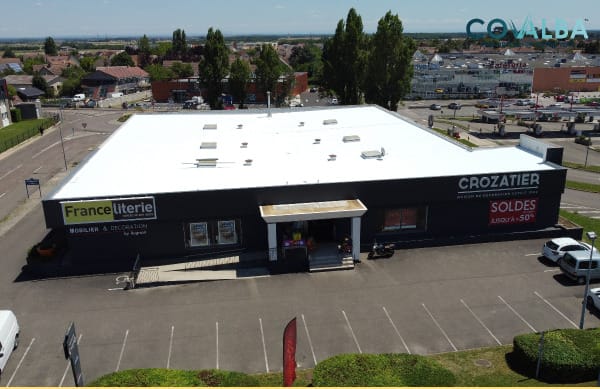
Installation de la peinture réflective CovaTherm SRI=119 sur l'étanchéité bitumineuse.
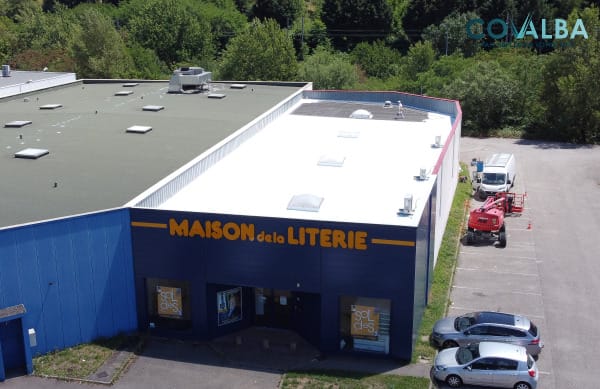
Installation de la peinture réflective CovaTherm SRI=119 sur l'étanchéité bitumineuse.
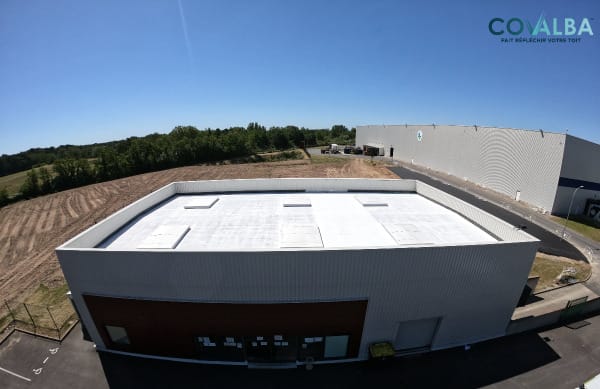
Installation de la peinture réflective CovaTherm SRI=119 sur l'étanchéité bitumineuse. Laquage solaire des voûtes éclairantes et lanterneaux.
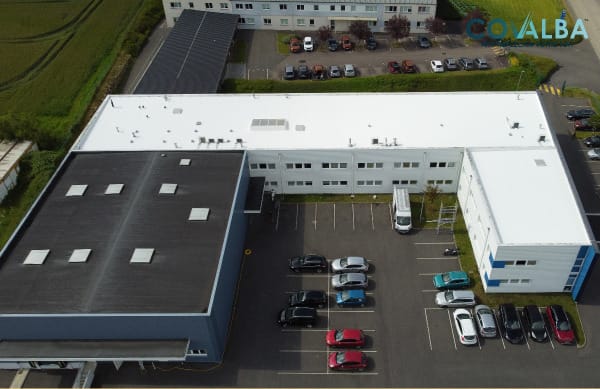
Installation de la peinture réflective CovaTherm SRI=119 sur l'étanchéité bitumineuse
Voir le cas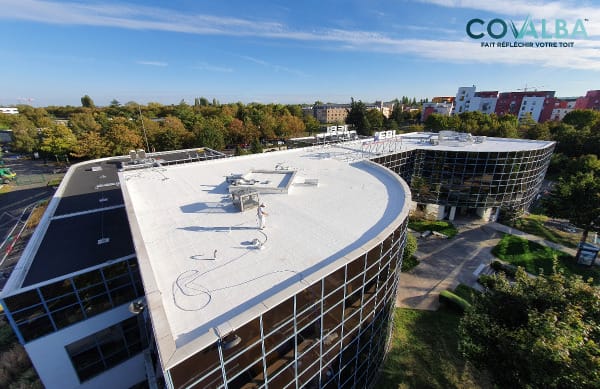
Installation de la peinture réflective CovaTherm SRI=119 sur l'étanchéité bitumineuse
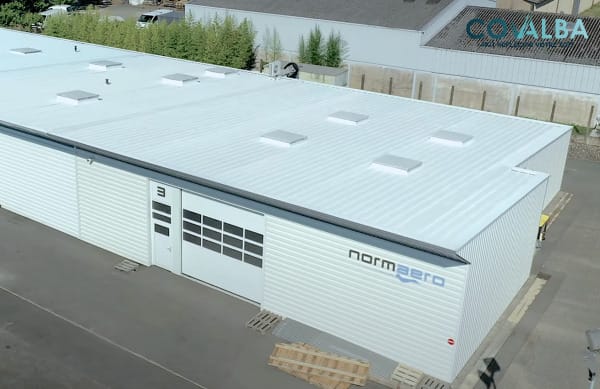
Installation de la peinture réflective CovaTherm SRI=119 sur une toiture bac acier.
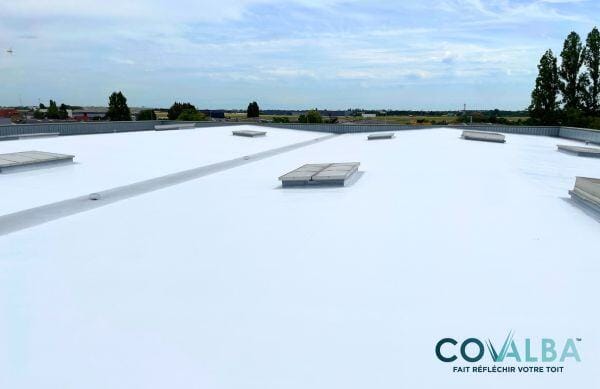
Installation du revêtement réflectif CovaSeal 20 sur l'étanchéité PVC.
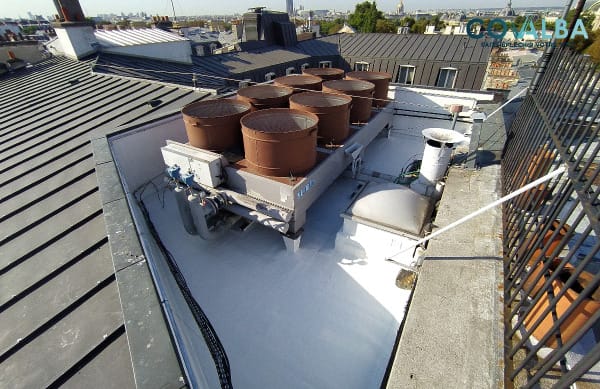
Installation de la peinture réfléchissante CovaTherm SRI=119 sur une étanchéité bitumineuse.
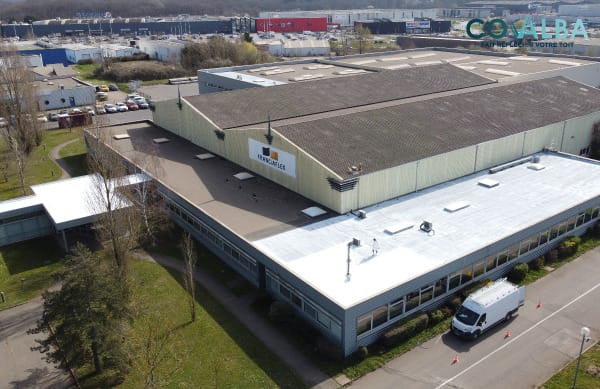
Installation de la peinture réflective CovaTherm SRI=119 sur l'étanchéité bitumineuse. Laquage solaire des voûtes éclairantes et lanterneaux.
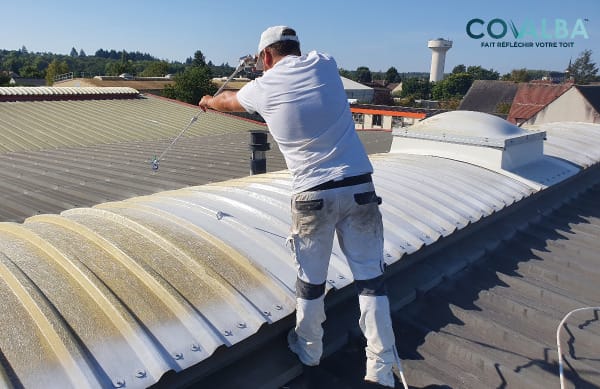
Laquage solaire des voûtes éclairantes.
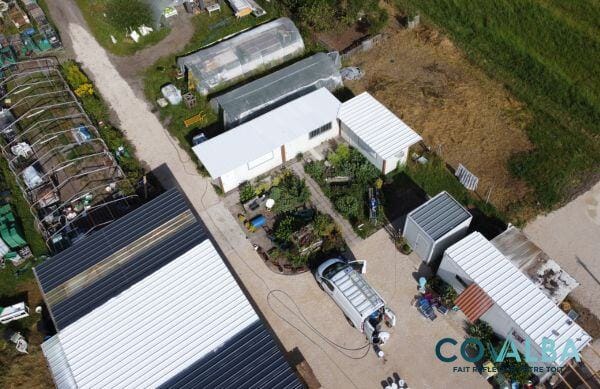
Installation de la peinture réflective CovaTherm 8 sur les toitures bac acier.
Ils économisent déjà avec Covalba
FAQ
The points most often raised by technical departments and operators of sports facilities.
Yes. Everything happens on the roof: the machines stay on the ground, only the hoses go up. No interior work, no scaffolding in the hall, no dust on the playing area. Club and school slots are kept. The works take from a few days to a few weeks depending on the surface.
Our readings show up to 8 to 10 °C less under the roof in summer. The gain felt in the hall depends on ceiling height, ventilation and existing insulation. On a hall with no air conditioning under a large metal roof, the effect shows from the first summer.
The Fonds Vert (French green fund) includes an energy retrofit strand for public buildings that covers summer comfort, and a reflective roof coating fits that frame. For a municipality, a contract under €100,000 is awarded without a public tender. The procurement side is covered on our public sector page.
A private club is a commercial building. It can therefore claim the CEE premium (French energy savings certificates) under the BAT-EN-112 sheet, which covers reflective roof coatings. The application must be lodged with the funder before the quote is signed. Covalba checks eligibility and supports the application.
Yes. A pool hall combines heat and humidity under a highly exposed roof. Cool roof reduces the sun’s heat reaching the covering and relieves the ventilation in summer. The assessment checks the condition of the substrate and the upstands before any application.
Steel deck, north-light roofs, bituminous membrane, EPDM, PVC, fiber cement and concrete. Four out of five Covalba projects are on bituminous membranes over ten years old. We choose the system according to the substrate: CovaTherm for the reflective coating, CovaSeal 20 for tired waterproofing, CovaMetal 20 for corroded steel deck.
Request a study. We price the project and the funding available for your facility. The works are done from the roof, without closing the hall.
A sports hall or an indoor pool is a large volume under a highly exposed roof. In summer, the heat stored in the roof makes practice difficult and pushes operators to cut back slots.
A sports facility combines three handicaps: a very large roof area, a big volume to treat and a dark covering, metal or bituminous. That surface absorbs almost all the solar radiation, heats up strongly in midsummer, then radiates its heat back inside. North-light roofs and roof lights add direct gain. Most sports halls have no air conditioning, so nothing offsets that input. Heat builds up hour after hour and the volume stays hot late into the evening.
Someone exercising produces heat of their own. They therefore tolerate a hot environment far less well than a seated person. Beyond a certain threshold, coaches have to lower the intensity, add breaks, cut the session short or cancel it. French labour law sets no maximum temperature, but it requires the employer to protect staff from heat: coaches, lifeguards and maintenance teams are all concerned. Treating the roof acts on the cause rather than on the timetable.
A reflective roof sends solar radiation back instead of storing it, then quickly releases the little heat it absorbs. Covalba coatings reflect up to 94% of solar radiation. Public laboratories in the United States have documented this passive cooling for decades, and ADEME, the French environment agency, takes it up in its work on urban heat islands. A town-centre sports hall, with its large dark roof, feeds that heat island.
Two families dominate. Steel deck covers most halls and complexes built since the 1970s: it heats up fast and corrodes at the fixings. CovaMetal 20 combines corrosion protection and reflectivity there. Bituminous membrane covers the flat roofs of pools and more recent halls, and four out of five Covalba projects are on membranes over ten years old. When the waterproofing is tired, CovaSeal 20 takes it over and makes the roof reflective at the same time. Our steel deck and bitumen membrane pages cover each case.
For a local authority, the Fonds Vert (French green fund) includes an energy retrofit strand for public buildings that covers summer comfort. A contract under €100,000 is also awarded without a public tender. These two levers clearly shorten the decision cycle on a sports hall, and our public sector page covers them in detail. For a private commercial venue, the CEE premium under the BAT-EN-112 sheet funds part of the operation, provided the funder commits before the quote is signed.
Cool roof is applied in dry weather on a clean substrate, which leaves a wide window from spring to autumn. Nothing happens inside, so the facility does not have to close: scheduling simply follows the quieter periods, school holidays or the clubs’ off-season. The works take from a few days to a few weeks depending on the surface. At €20 to €22/m² supplied and applied, the cost stays far below a new membrane at €80 to €100/m² and pushes the replacement of the covering back by 8 to 10 years.