Industrie
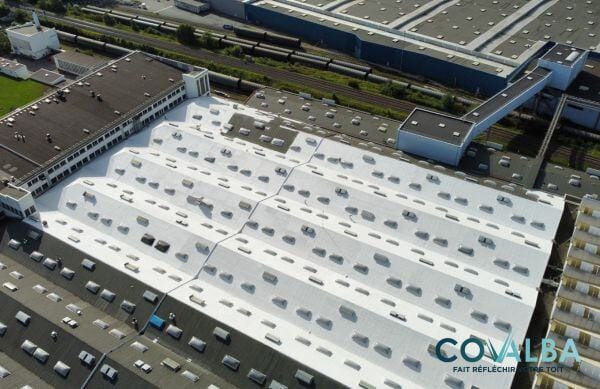
Usine d'embouteillage (confidentiel), France
Installation du revêtement réflectif CovaSeal 20 sur l'étanchéité bitumineuse.
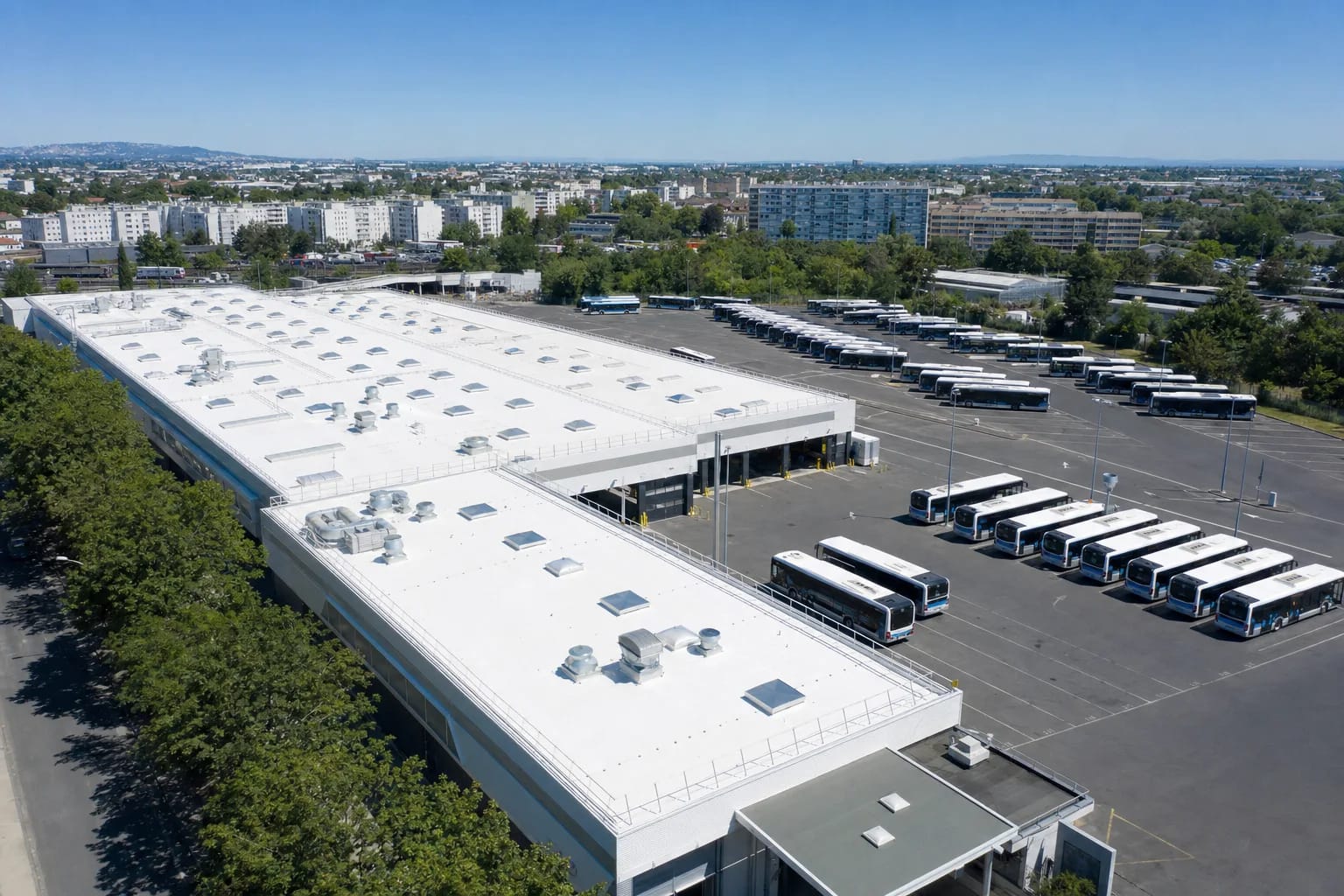
Cool roof for transport & mobility
Your workshops and depots stay bearable in summer, and operations keep running during the works.
-8 to -10°C
under the roof in summer
0 downtime
in operations during the works
100% roof-side
machines stay on the ground
Ils économisent déjà avec Covalba











Why act
A depot or a workshop shelters teams under a huge roof. In summer, that roof absorbs the sun all day long and sends the heat back down.
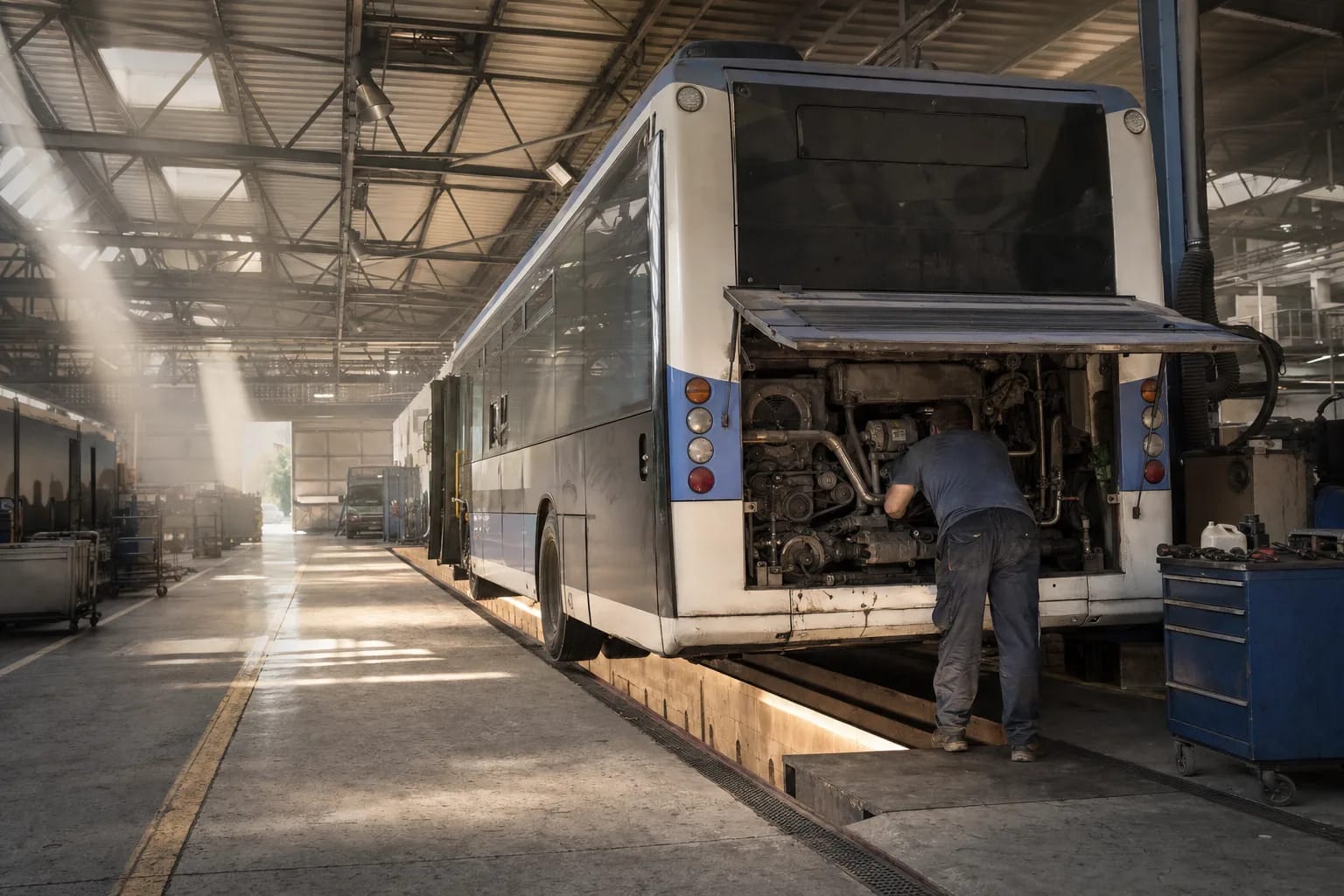
Under a steel deck roof, the heat builds up all afternoon above the pits and the work stations.
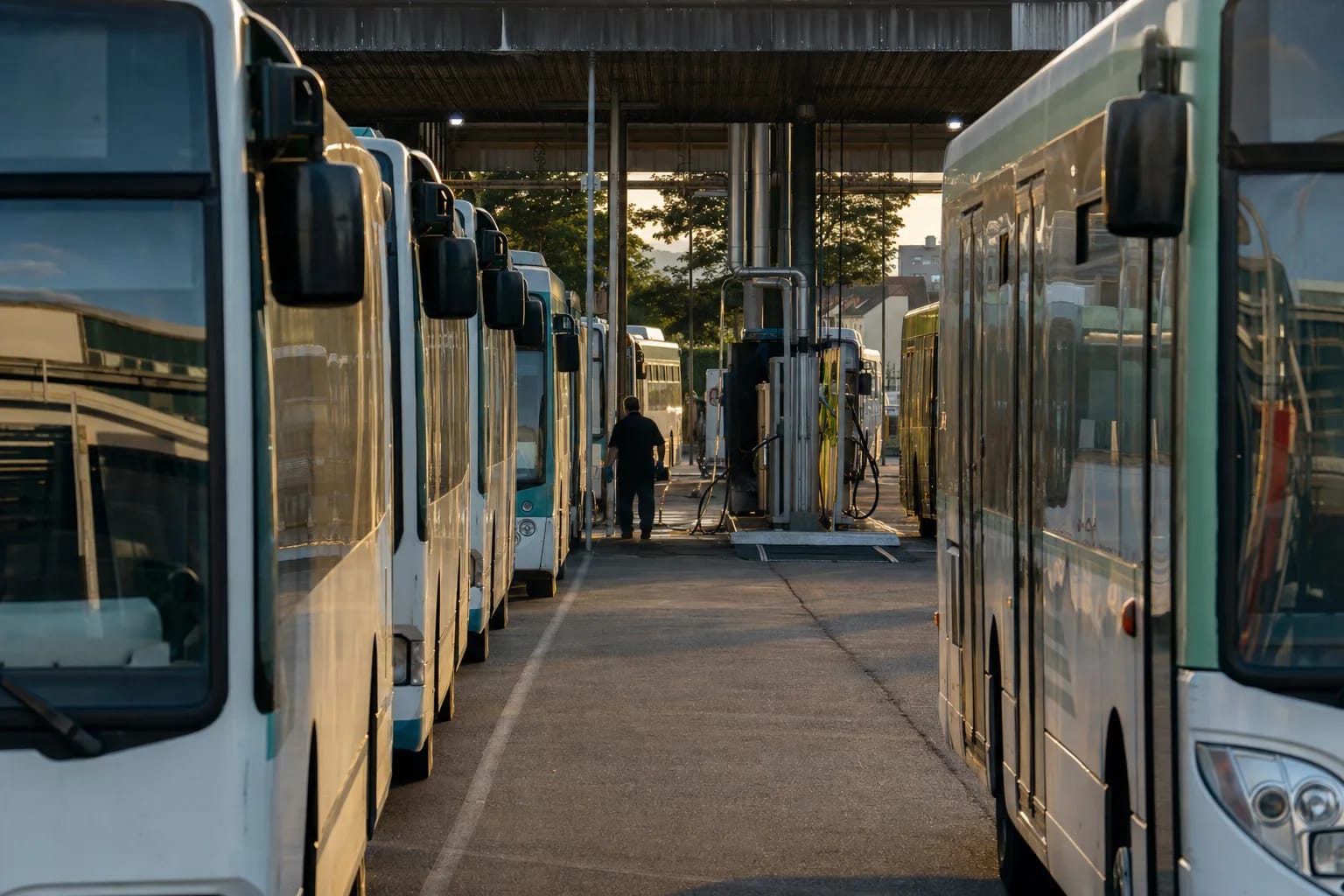
Moving vehicles out or closing a workshop bay for heavy works costs a day of operations.
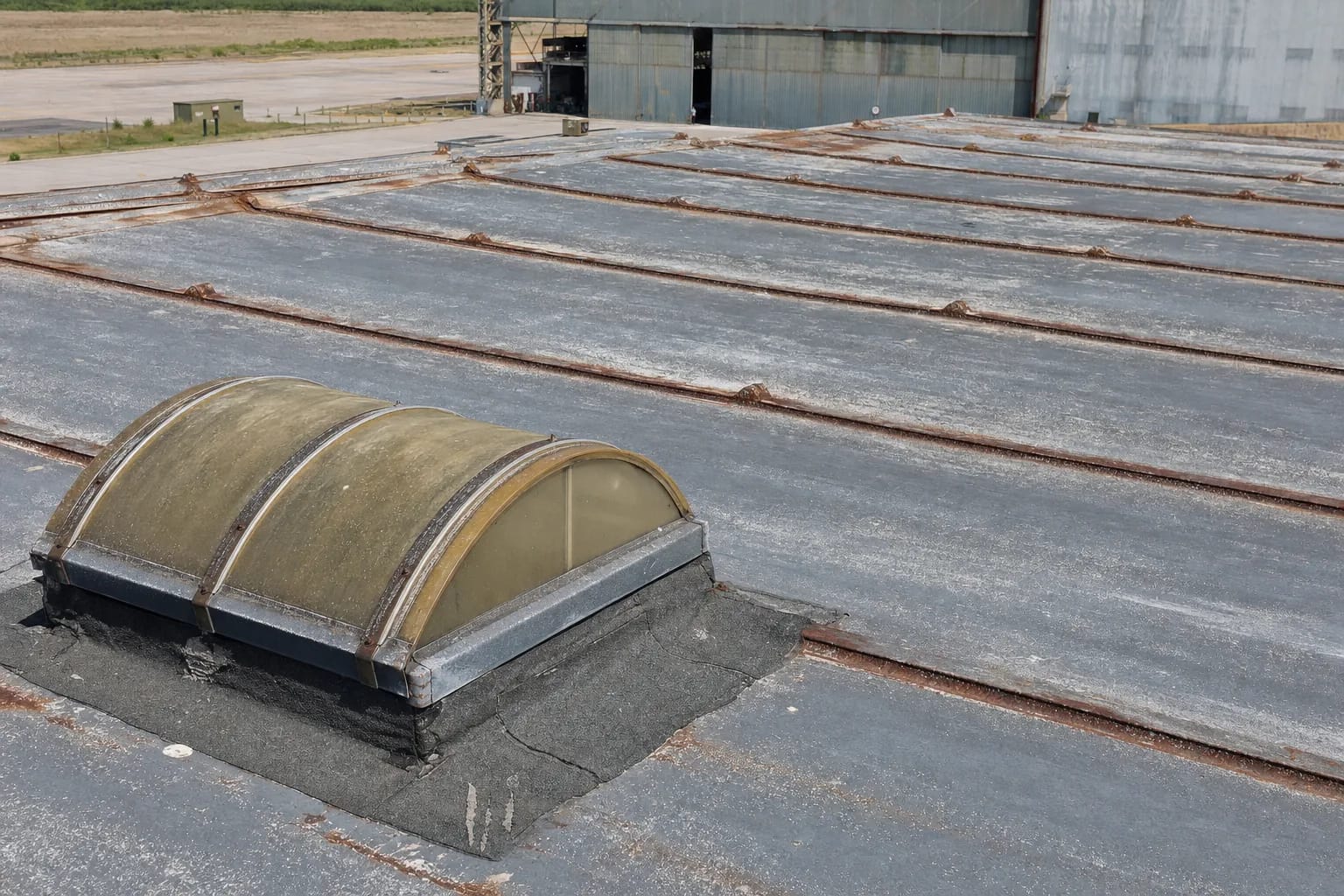
Corroded steel deck, membrane over ten years old: leaks fall onto sensitive technical areas.
On these three points, the roof remains the most direct lever.
The Covalba solution
Cool roof acts on the cause: the roof reflects up to 94% of solar radiation instead of absorbing it. The site keeps running during application.
That performance then has to last.
Durability
Across a portfolio of depots and workshops, going back onto the roof every two to five years soon costs more than a system that lasts. Service life is the deciding factor.
| Standard acrylic coating | Covalba polyurethane system | |
|---|---|---|
| Low install price | Performance held over time, on large surfaces | |
| Price per m² | ~€15 | €20-22 |
| Service life | 2-5 years | 8 to 10 years |
| Reflectivity drops fast | Reflectivity up to 94% | |
| Chalking and yellowing | Anti-UV finishing topcoat | |
| More frequent reapplication | Roof replacement pushed back by 8 to 10 years |
Price per m²
Service life
-
-
-
Polyurethane systems with an anti-UV finishing topcoat last 8 to 10 years, against 2 to 5 years for the acrylics on the market. At €20-22/m² supplied and applied, cool roof pushes back the replacement of the roof covering by 8 to 10 years.
Funding
A private operator and a public transport authority do not have access to the same aid. In both cases, the works cost a fraction of a new roof covering.
The actual amount depends on surface area, substrate and the status of the client organisation. Covalba quantifies your case and prepares the premium file during the technical study.
What you gain
The roof sends solar radiation back instead of storing it. The temperature drops under the covering, right where your teams work.
-8 to -10°C
under the roof in summer
From the first summer
Less heat above the pits, the washing lines and the servicing areas.
A technical measure against heat at the work station, to add to your prevention plan.
Up to -40% on the roof-related share of cooling in offices and control rooms.
The coating protects the substrate from UV and pushes back replacement by 8 to 10 years.
Here are the sites we work on most often.
Your buildings
From the bus depot to the freight hangar, these sites get the same sun on roofs of several thousand square metres.
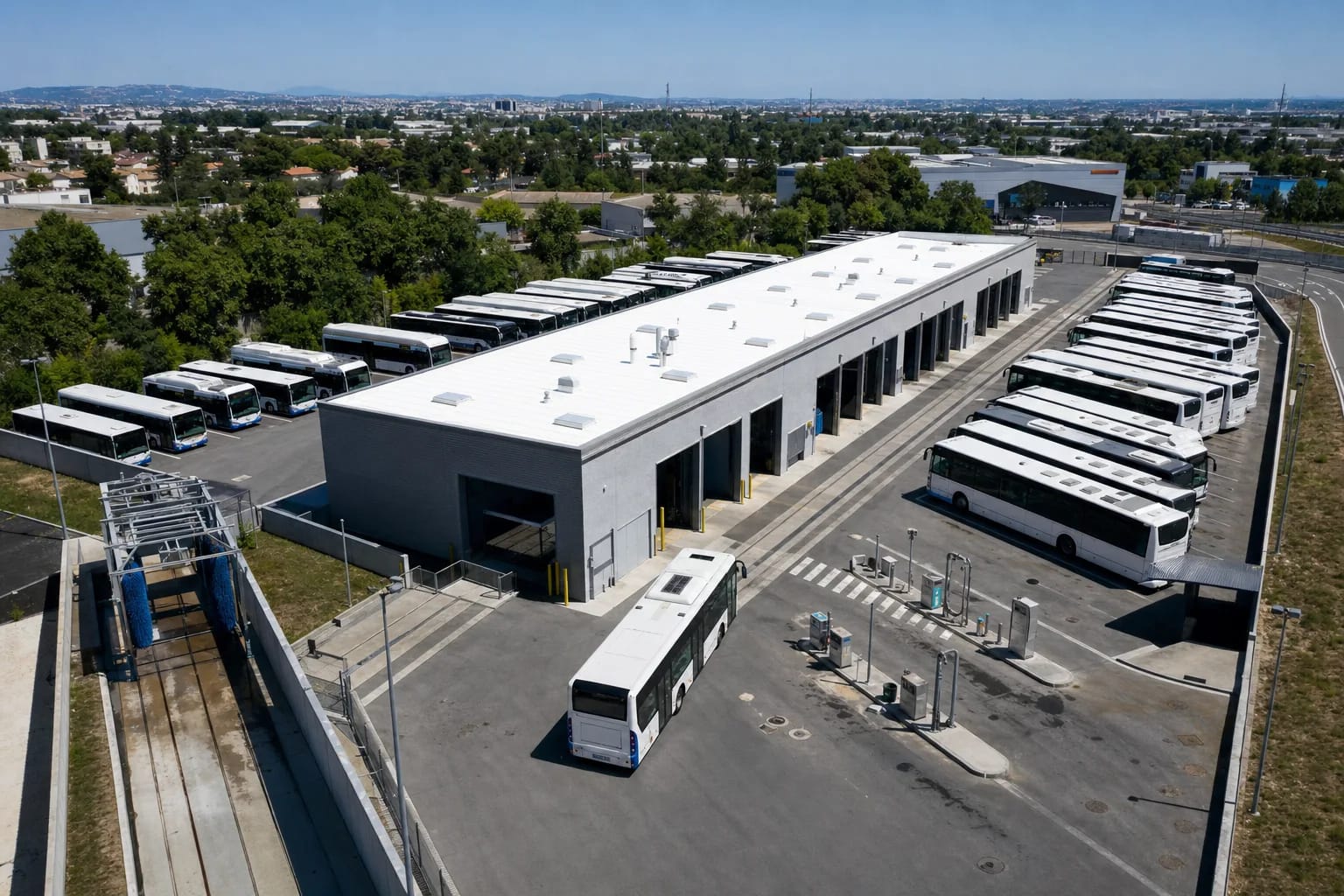
Treat large roofs above parking areas and servicing bays.
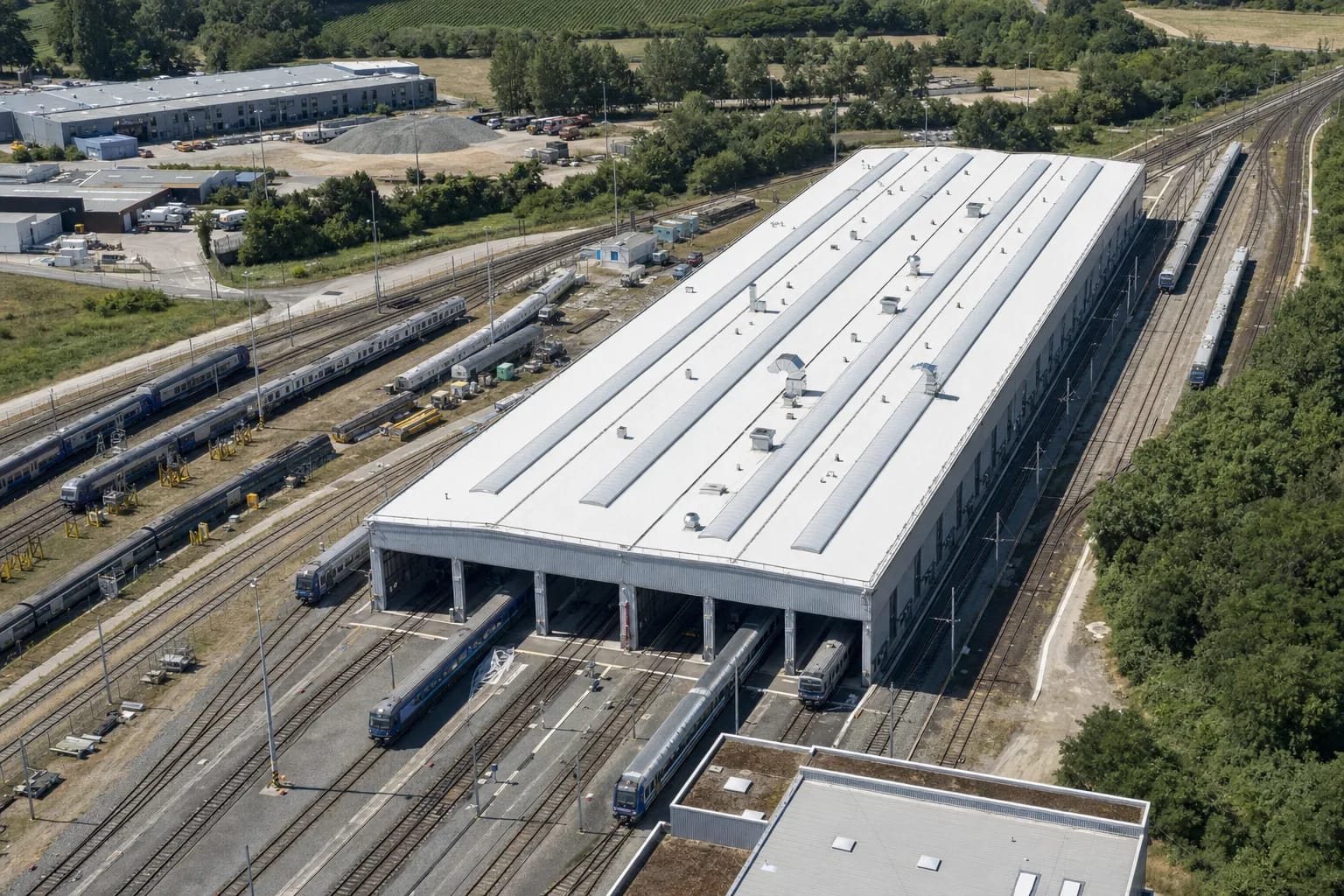
Bring down the temperature above workshop tracks and pits.
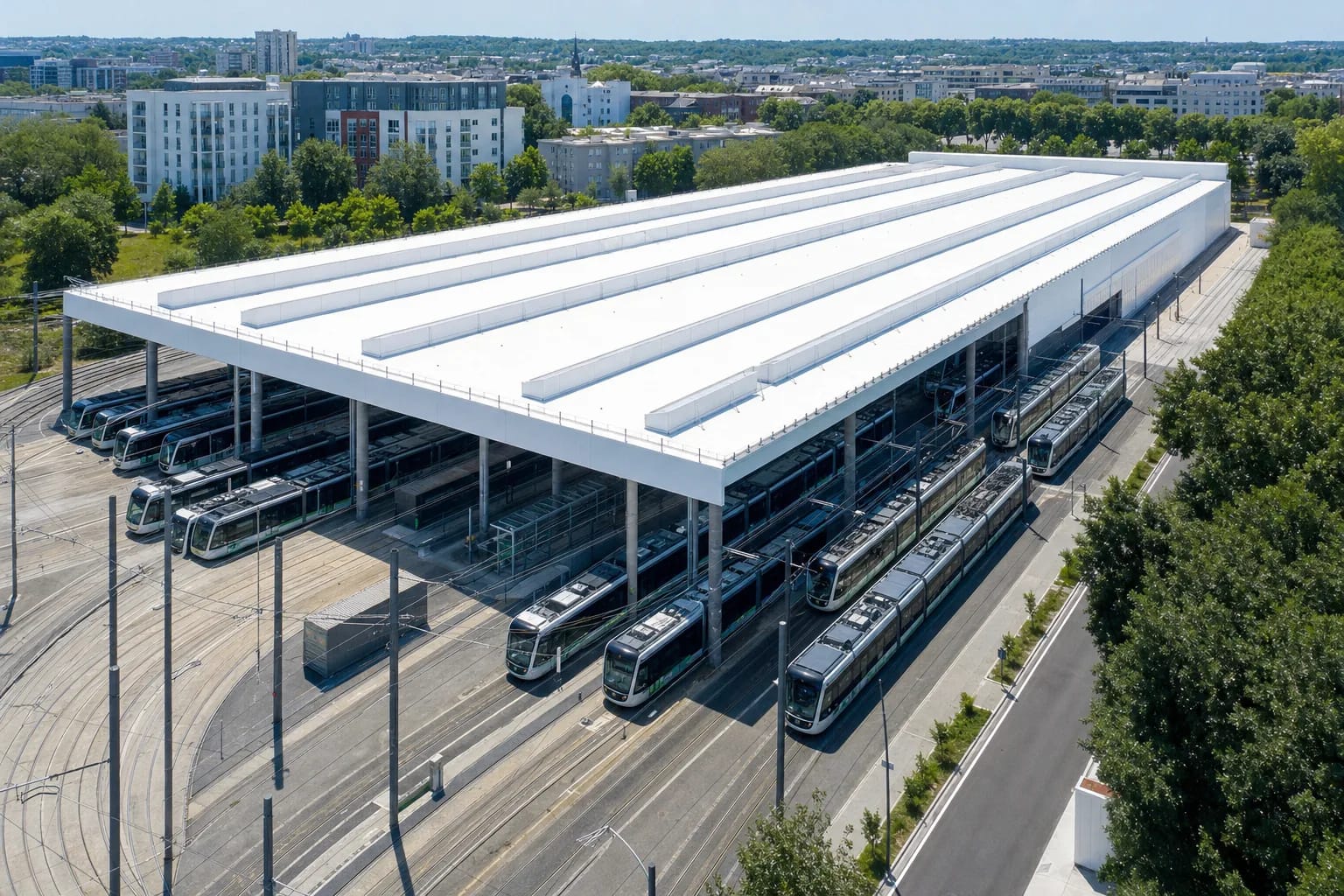
Protect rolling stock and technical rooms from summer overheating.
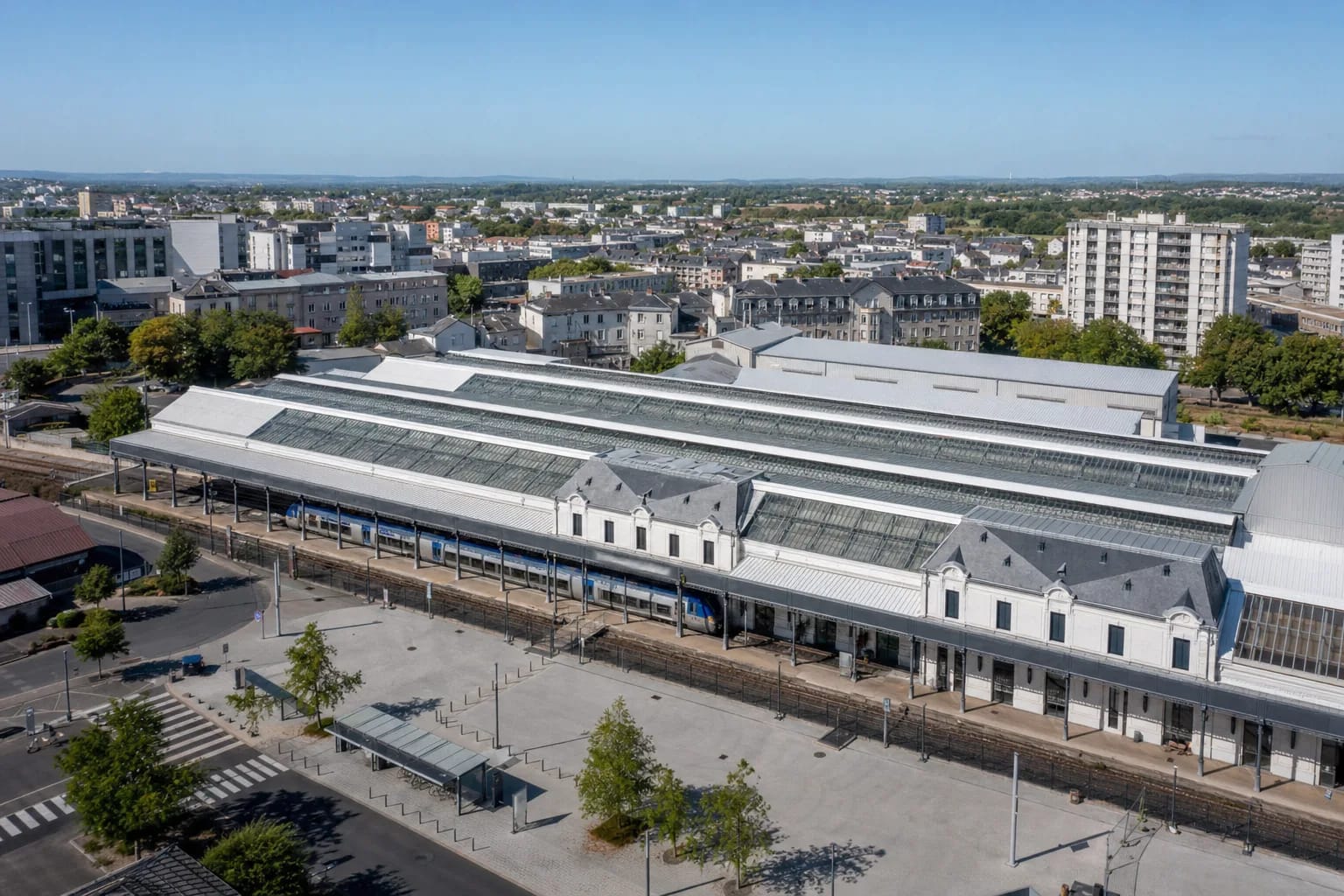
Limit the heating of large volumes open to the public.
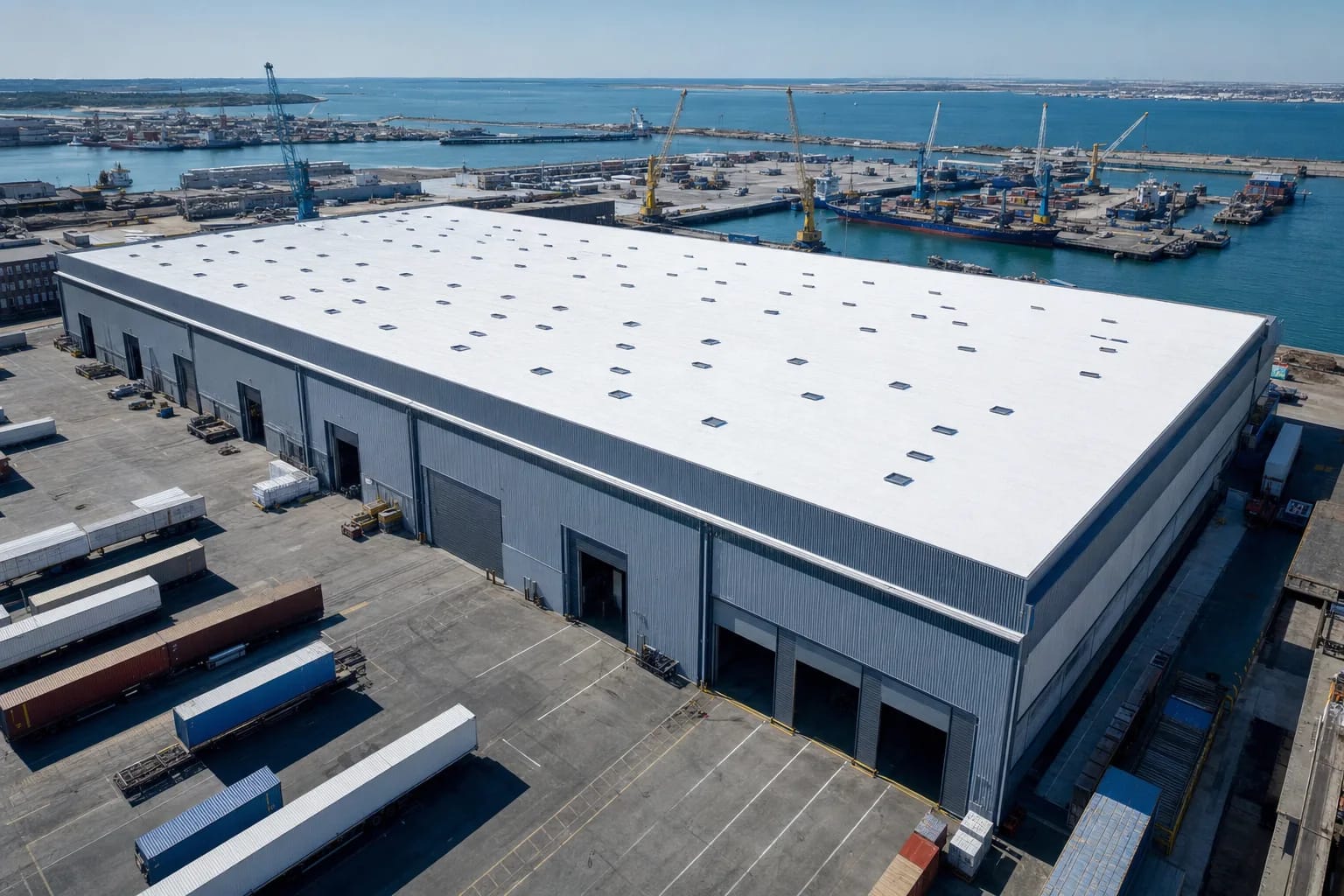
Cool down operations hangars and sorting areas under steel deck.
What remains is how we work on a site that stays in operation.
A controlled operation
Everything happens on the roof, from the outside. Vehicles stay put, workshop tracks stay open, the service keeps running.
Voir la vidéoSurvey of the substrate, corrosion and details, review of access points and traffic areas to keep clear.
Signage, protection of rooflights and extraction units, coordination with your operations team and service hours.
High-pressure cleaning then continuous spray application. Machines on the ground, only the hoses go up.
Thickness and detail checks, then handover of the site file for your follow-up.
A few days to a few weeks depending on surface area · No operational downtime
Concrete results
Surface temperature readings and operator feedback from transport sites fitted with Covalba cool roof.
-8 to -10°C
under the roof in summer
500+
projects completed in France
8 to 10 years
of service life for the polyurethane system
Installation du revêtement réflectif CovaSeal 20 sur l'étanchéité bitumineuse.
Installation de la peinture réflective CovaTherm 8 sur l'étanchéité bitumineuse.
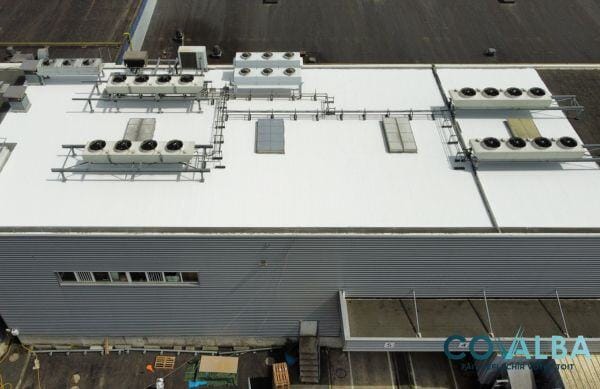
Installation du revêtement CovaSeal sur l'étanchéité bitumineuse.
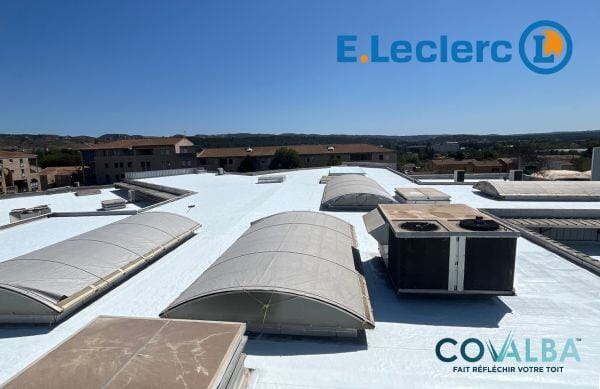
Installation du revêtement réflectif CovaSeal 20 sur l'étanchéité bitumineuse.
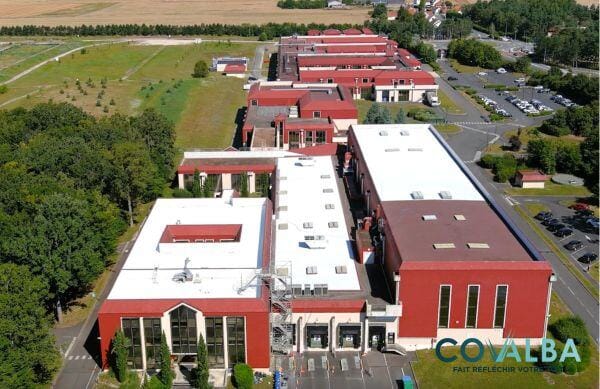
Installation de la peinture réflective CovaTherm SRI=119 sur l'étanchéité bitumineuse.
Voir le cas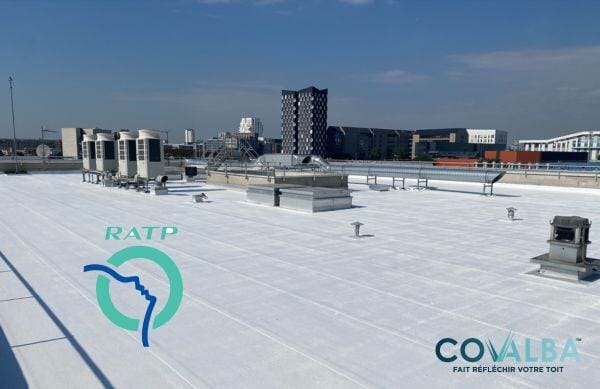
Installation de la peinture réflective CovaTherm SRI=119 sur l'étanchéité bitumineuse.
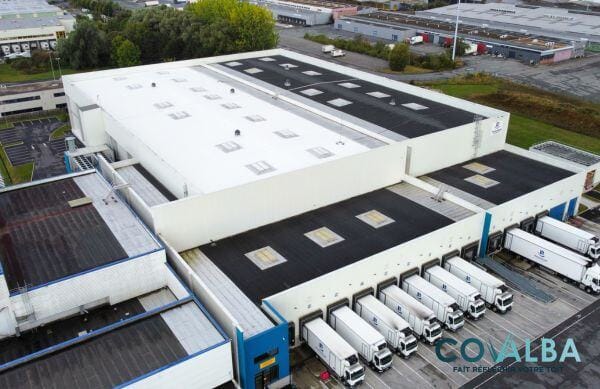
Installation de la peinture réflective CovaTherm SRI=119 sur l'étanchéité bitumineuse.
Installation de la peinture réflective CovaTherm SRI=119 sur l'étanchéité bitumineuse.
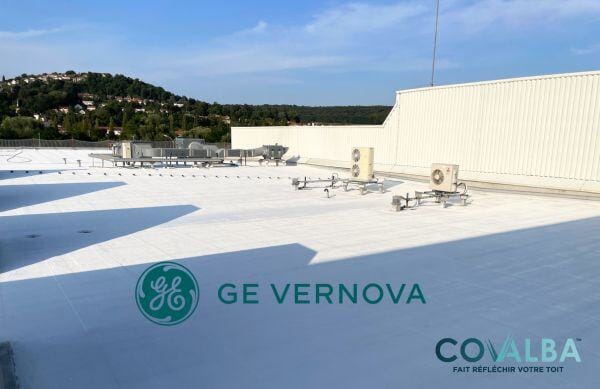
Installation du revêtement réflectif CovaSeal 20 sur l'étanchéité bitumineuse.
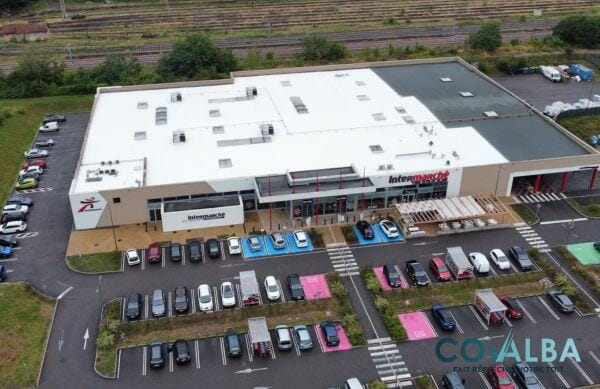
Installation de la peinture réflective CovaTherm SRI=119 sur l'étanchéité bitumineuse.
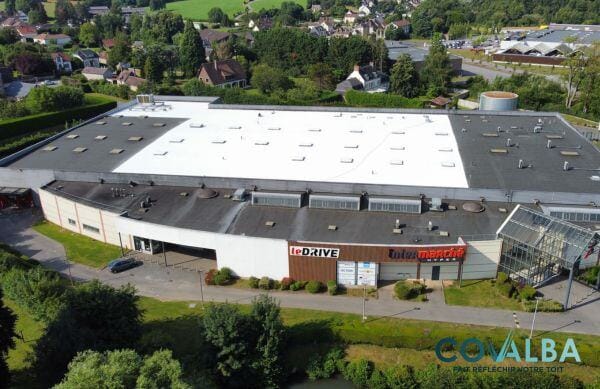
Installation de la peinture réflective CovaTherm SRI=119 sur l'étanchéité bitumineuse.
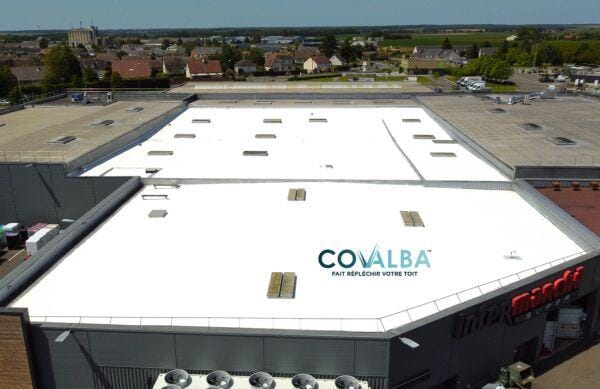
Installation de la peinture réflective CovaTherm SRI=119 sur l'étanchéité bitumineuse.
Voir le cas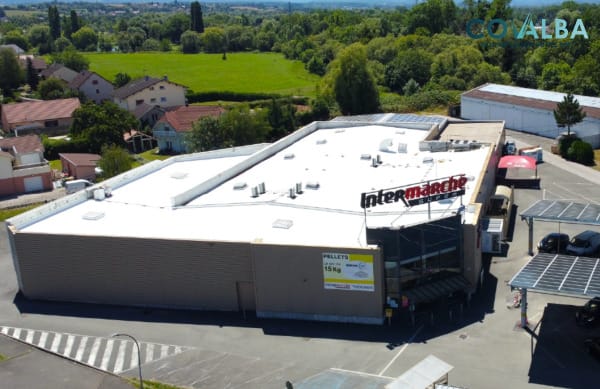
Installation de la peinture réflective CovaTherm SRI=119 sur l'étanchéité bitumineuse.
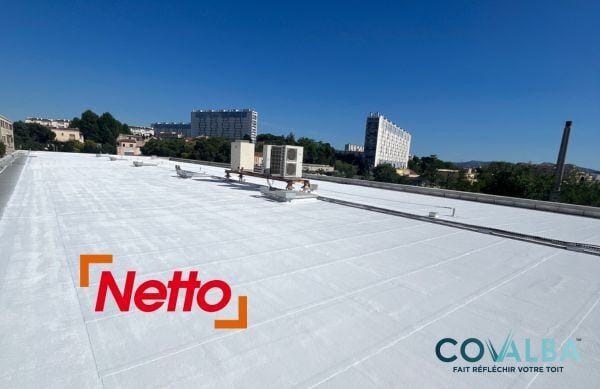
Installation de la peinture réflective CovaTherm 20 sur les toitures bac acier.
Installation de la peinture réflective CovaTherm SRI=119 sur la toiture zinc.
Voir le cas
Installation de la peinture réflective CovaTherm 8 sur l'étanchéité bitumineuse.
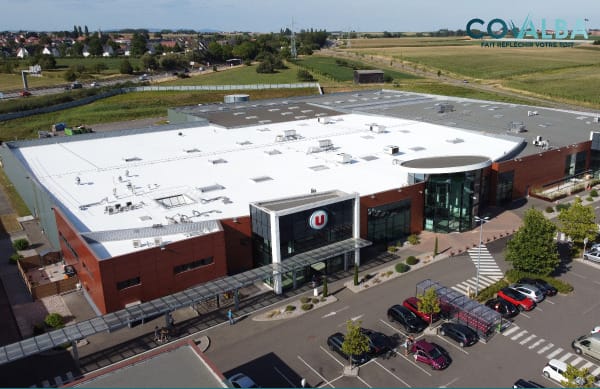
Installation de la peinture réflective CovaTherm SRI=119 sur l'étanchéité bitumineuse.
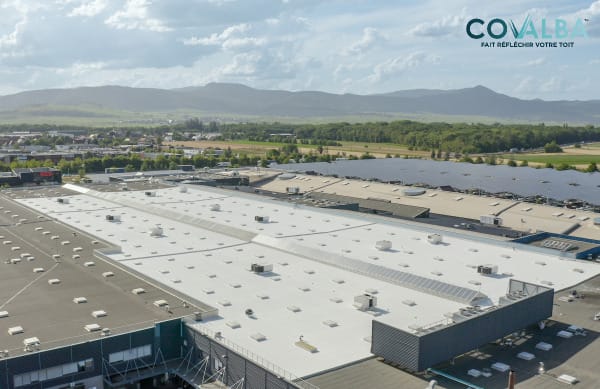
Installation de la peinture réflective CovaTherm SRI=119 sur l'étanchéité bitumineuse.
Voir le cas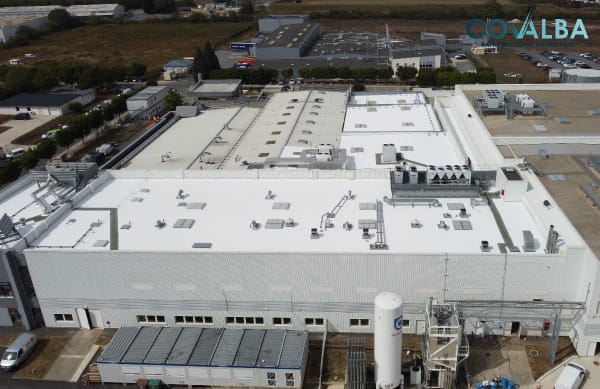
Installation de la peinture réflective CovaTherm SRI=119 sur l'étanchéité bitumineuse.
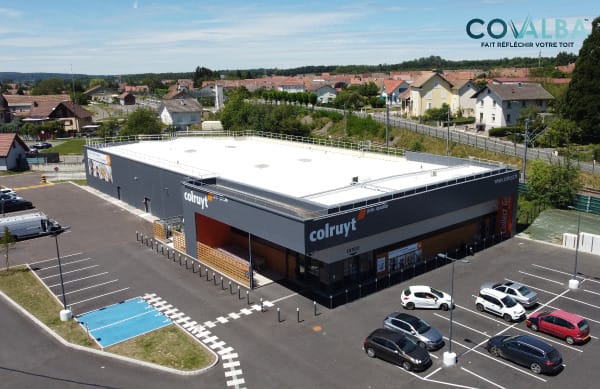
Installation de la peinture réflective CovaTherm SRI=119 sur l'étanchéité bitumineuse.
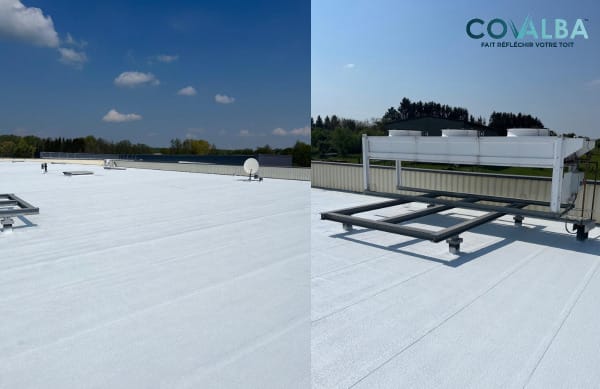
Installation de la peinture réflective CovaTherm 118 sur l'étanchéité bitumineuse.
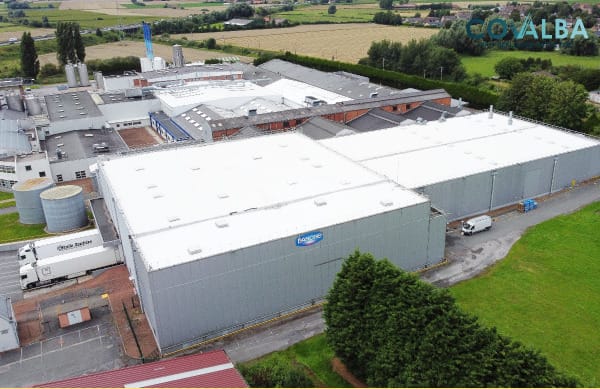
Installation de la peinture réflective CovaTherm SRI=119 sur l'étanchéité bitumineuse. Laquage solaire des lanterneaux.
Voir le cas
Installation de la peinture réflective CovaTherm SRI=119 sur l'étanchéité bitumineuse.
Installation du revêtement réflectif CovaTherm 20 sur l'étanchéité bitumineuse.
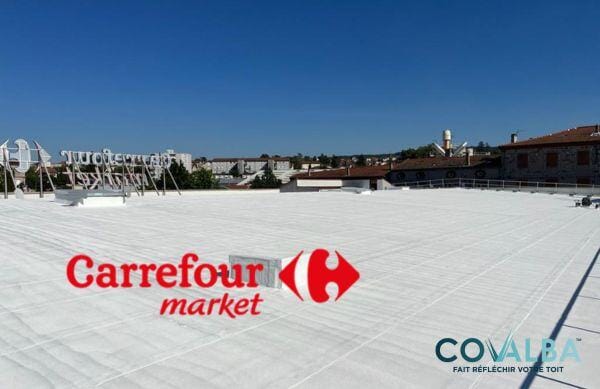
Installation du revêtement réflectif CovaTherm 20 sur l'étanchéité bitumineuse.
Installation du revêtement réflectif CovaTherm 20 sur l'étanchéité bitumineuse.
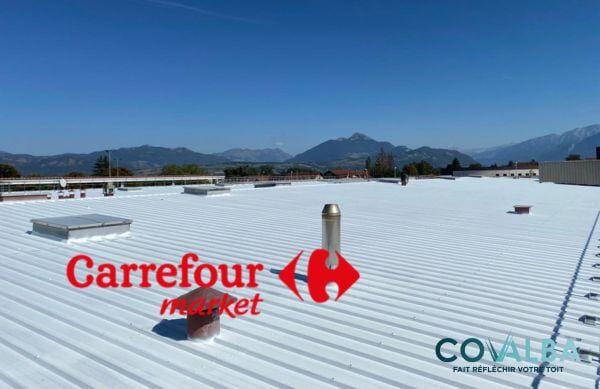
Installation du revêtement réflectif CovaTherm 20 sur l'étanchéité bitumineuse.
Installation du revêtement réflectif CovaTherm 20 sur l'étanchéité bitumineuse.
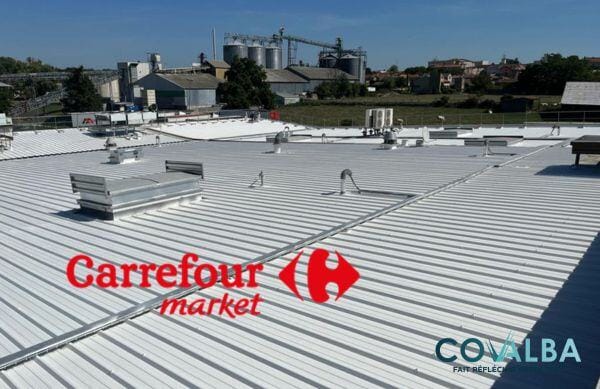
Installation du revêtement réflectif CovaTherm 20 sur l'étanchéité bitumineuse.
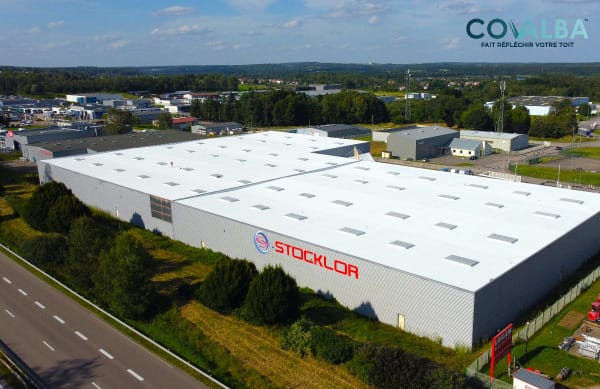
Installation de la peinture réflective CovaTherm SRI=119 sur l'étanchéité bitumineuse
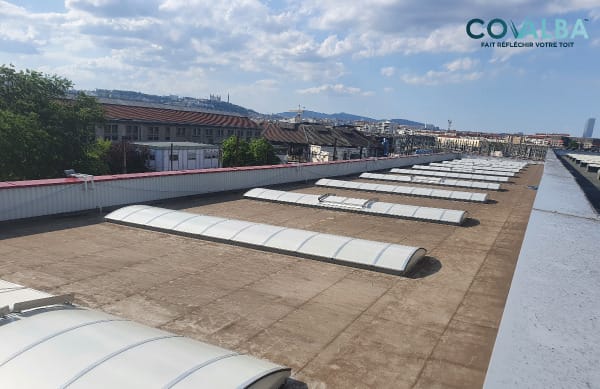
Laquage solaire des voûtes éclairantes d'un technicentre.
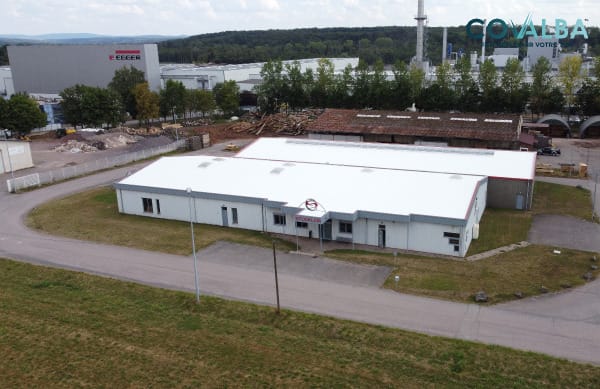
Installation de la peinture réflective CovaTherm SRI=119 sur l'étanchéité bitumineuse
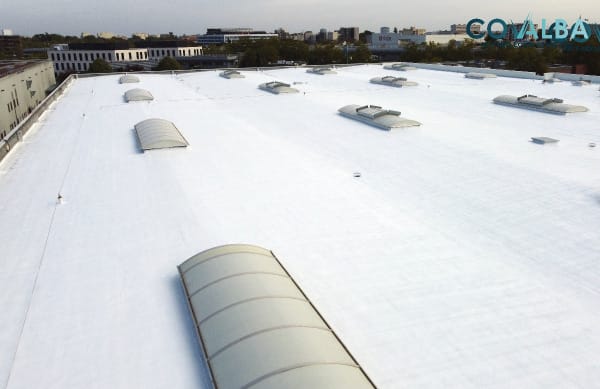
Installation de la peinture réflective CovaTherm SRI=119 sur l'étanchéité bitumineuse.
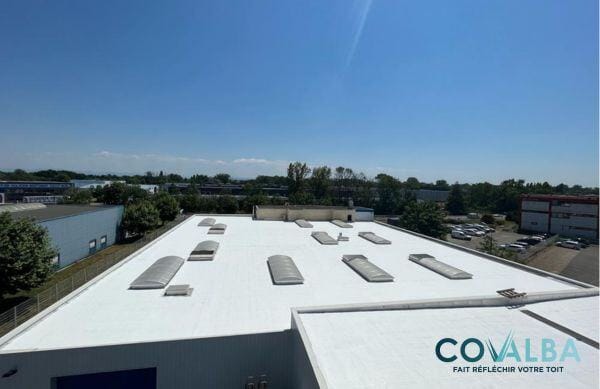
Installation de la peinture réflective CovaTherm SRI=119 sur l'étanchéité bitumineuse.
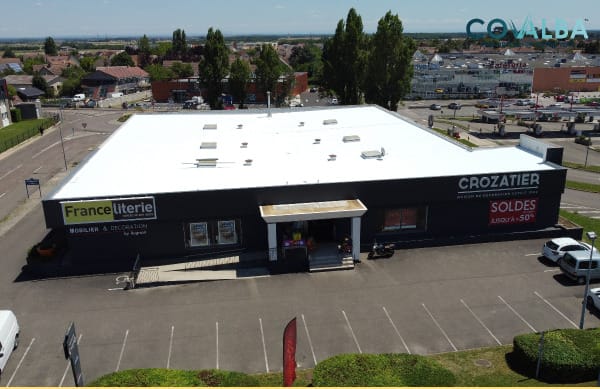
Installation de la peinture réflective CovaTherm SRI=119 sur l'étanchéité bitumineuse.
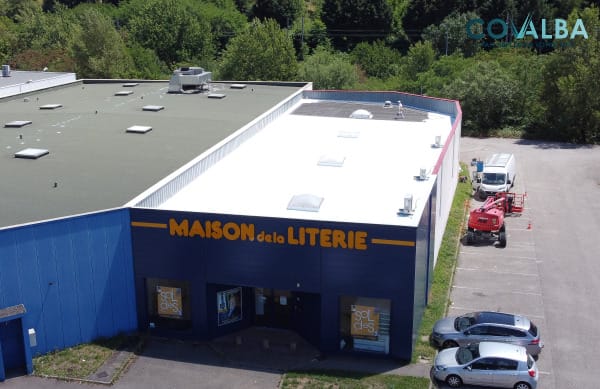
Installation de la peinture réflective CovaTherm SRI=119 sur l'étanchéité bitumineuse.
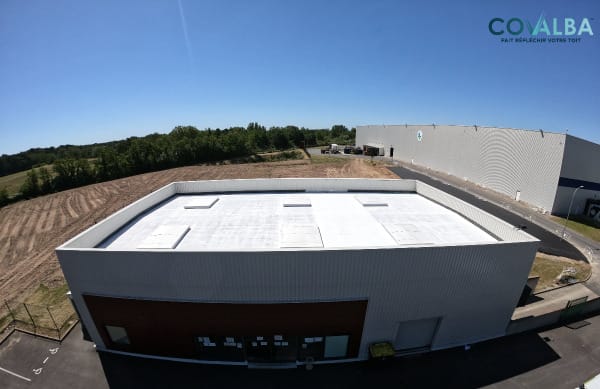
Installation de la peinture réflective CovaTherm SRI=119 sur l'étanchéité bitumineuse. Laquage solaire des voûtes éclairantes et lanterneaux.
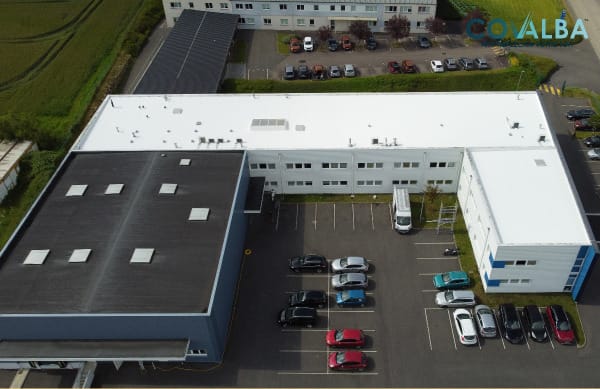
Installation de la peinture réflective CovaTherm SRI=119 sur l'étanchéité bitumineuse
Voir le cas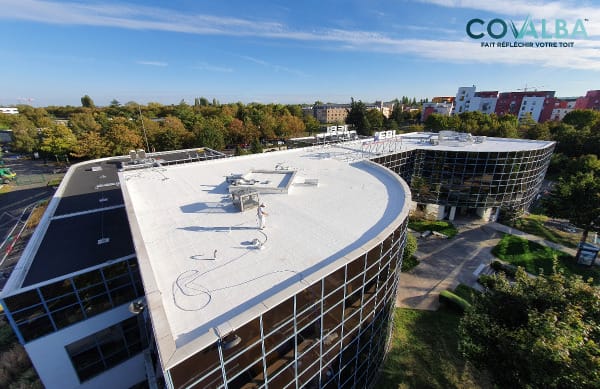
Installation de la peinture réflective CovaTherm SRI=119 sur l'étanchéité bitumineuse
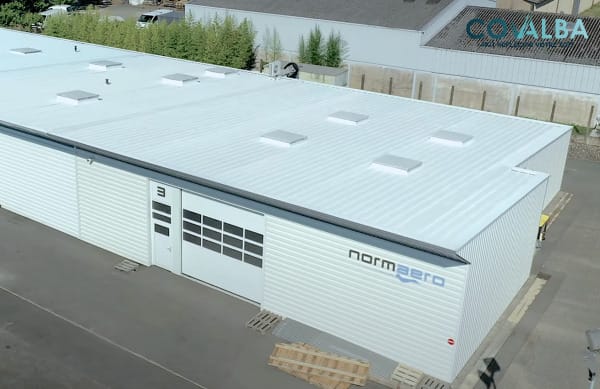
Installation de la peinture réflective CovaTherm SRI=119 sur une toiture bac acier.
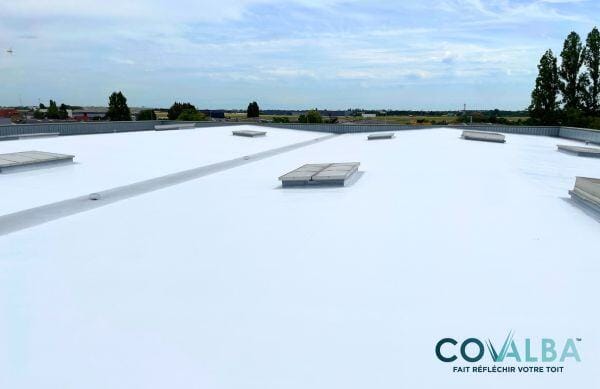
Installation du revêtement réflectif CovaSeal 20 sur l'étanchéité PVC.
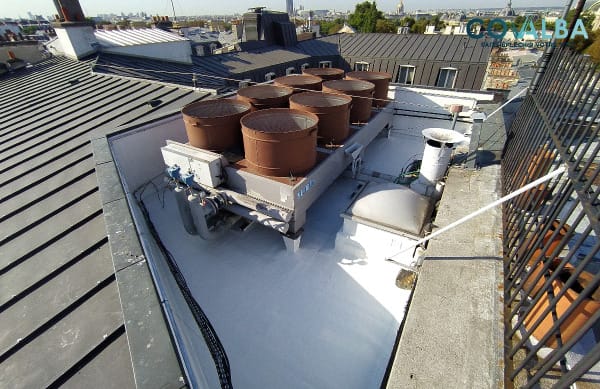
Installation de la peinture réfléchissante CovaTherm SRI=119 sur une étanchéité bitumineuse.
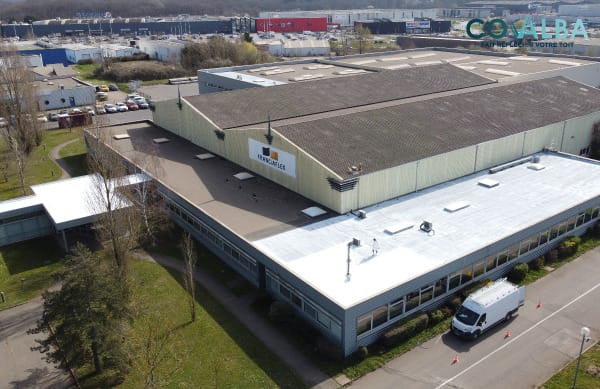
Installation de la peinture réflective CovaTherm SRI=119 sur l'étanchéité bitumineuse. Laquage solaire des voûtes éclairantes et lanterneaux.
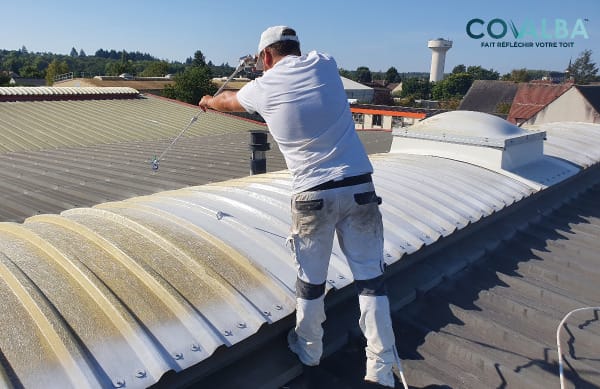
Laquage solaire des voûtes éclairantes.
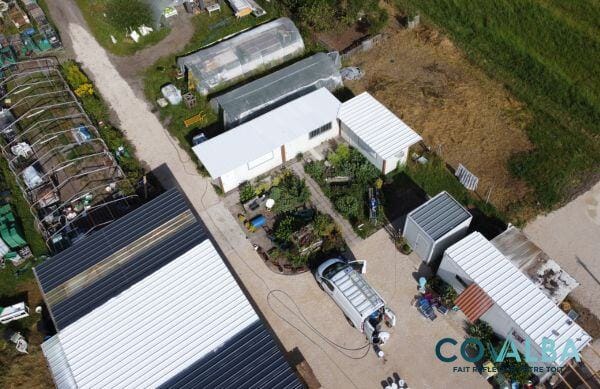
Installation de la peinture réflective CovaTherm 8 sur les toitures bac acier.
Ils économisent déjà avec Covalba
FAQ
The points that depot, workshop and estate managers check before signing.
No. The works take place on the roof, from the outside, with no footprint on traffic lanes. No vehicle leaves the depot. Parking, service departures and arrivals and servicing all continue throughout the works.
Through a prevention plan drawn up with your operations team. We mark out the roof area, protect rooflights and extraction units, then schedule the phases around your service hours. With no drilling and no roof removal, nothing falls into the workshop. Work above the tracks is planned with your supervisors, without stopping operations below.
Yes, and it is the most common case. Without air conditioning, nothing offsets the heat received by the roof: it builds up under the covering. Cool roof reflects solar radiation instead of absorbing it. We measure up to 8 to 10°C less under the roof in summer on our sites.
It sets no legal maximum temperature. It does impose a safety duty: the employer must assess the risk linked to intense heat and put suitable measures in place, including technical measures that reduce solar radiation. A reflective roof acts on the cause of the overheating and forms part of that prevention approach.
A private operator can use the CEE premium (French energy savings certificates) under the BAT-EN-112 scheme for its tertiary and industrial buildings. The works also count towards its décret tertiaire trajectory, reported on OPERAT. A public operator or authority usually goes through the Fonds Vert, on its energy renovation and summer comfort strand. Covalba prepares the file with you.
Often yes. The diagnosis assesses the state of the sheeting and fixings. CovaMetal 20 combines anti-corrosion treatment and a reflective coating on steel deck; CovaSeal 20 restores waterproofing on a flat roof or a tired membrane. When the substrate is too far gone, we say so at the diagnosis stage.
Request a tailored study: we quantify the temperature gain on your roof and the funding you can access. 100% roof-side works, with no operational downtime.
Bus depots, maintenance workshops and operating halls combine three constraints: very large roofs, teams working underneath, and a service that never stops.
A depot or a workshop is a single-storey building, very wide and rarely tall. The roof is by far its largest sun-exposed surface, and the main source of summer heat. When it is dark, it absorbs radiation and releases it inside for hours, including after sunset. Under that covering work mechanics, maintenance staff and operations teams, usually with no air conditioning. Treating the roof means acting on the cause of the overheating rather than on its effects.
Steel deck dominates on operations hangars, parking halls and newer workshops: it heats up fast and corrodes at overlaps and fixings. Older halls and rail workshops add glazed sheds and rooflights, which bring in light but also heat. On flat roofs, the bituminous membrane is still the majority: 80% of Covalba projects are carried out on membranes more than ten years old. Each substrate calls for a different system, confirmed by the diagnosis.
French law sets no maximum temperature above which work must stop. It imposes a safety duty: the employer assesses the risk linked to intense heat episodes and puts prevention measures in place, both organisational and technical. Measures that reduce solar radiation and heat build-up inside the premises are among the expected levers. A reflective roof belongs to that category: it treats the source of the overheating and its effect lasts all season.
A private operator can claim the CEE premium (French energy savings certificates) under the BAT-EN-112 scheme, reserved for tertiary and industrial buildings. The same works feed the décret tertiaire trajectory (French tertiary decree), which requires -30% of consumption by 2030, -40% by 2040 and -50% by 2050, reported on the OPERAT platform. A public operator or transport authority is more likely to use the Fonds Vert (French green fund), on its energy renovation and summer comfort strand.
A cool roof project takes place entirely on the roof. Machines stay on the ground and only the hoses go up: no roof removal, no storage area taken from traffic lanes, no vehicle to move out of the depot. The works last from a few days to a few weeks depending on surface area, with a prevention plan aligned with your service hours. This absence of interruption makes the operation feasible on a site that runs continuously.
On surfaces of several thousand square metres, the cost gap is decisive: €20-22/m² supplied and applied for a long-life cool roof, against €80-100/m² for a new membrane and around €150/m² for full insulation and waterproofing renewal. The coating protects the substrate from UV and thermal shocks and pushes back replacement by 8 to 10 years. Depending on the substrate, CovaMetal 20 treats steel deck and CovaSeal 20 restores waterproofing on flat roofs.